Desserts
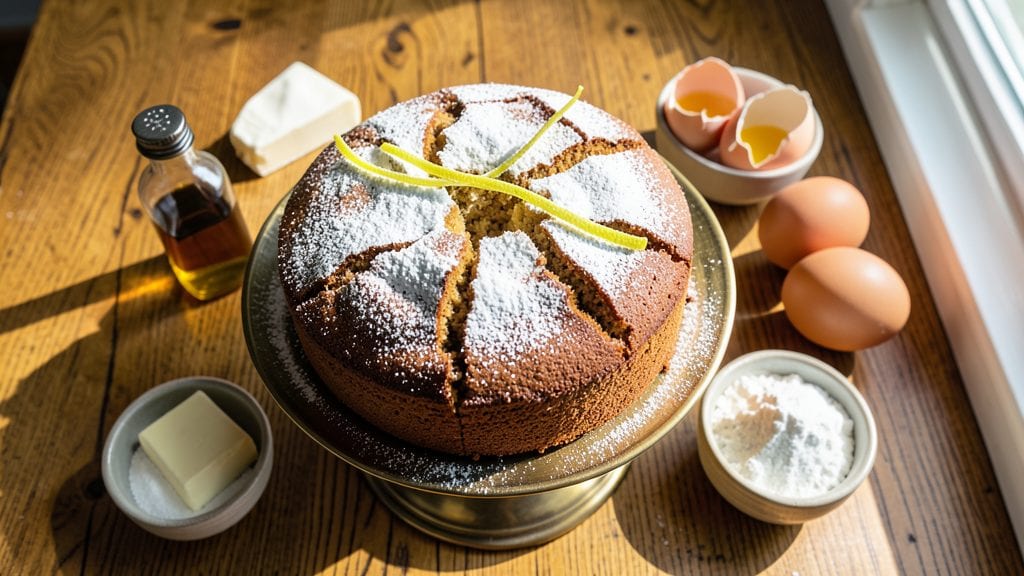
Grandma's pound cake recipe delivers that nostalgic, buttery perfection with layers of vanilla-infused richness and a golden crust that cracks just slightly at the edges.
The secret lies in precise measurements—equal parts butter, sugar, eggs, and flour—creating a tender yet sturdy crumb that holds its shape while melting in your mouth. I've baked this exact recipe every Thanksgiving since my grandmother first taught me, and it never fails to impress.
What makes this pound cake truly special is its foolproof technique: creaming the butter and sugar until light and fluffy, folding in eggs one at a time, and avoiding overmixing the dry ingredients.
The vanilla extract is infused into the butter before creaming, ensuring every bite carries that warm, comforting aroma. Baking at a precise temperature guarantees a perfectly domed top with a crack that signals just the right doneness.
By the time it emerges from the oven, you'll have a cake with a tender, moist interior and a buttery crust that practically sings with flavor. Slice into thick layers to reveal that signature pound cake texture—dense yet delicate, with each bite offering equal parts richness and sweetness.
This is the kind of dessert that tastes like home, and it's worth every minute of preparation.
The best part? This recipe scales beautifully for gatherings, and optional adaptations like reduced sugar or eggless variations make it versatile for modern dietary needs. Let's get baking—your kitchen will smell like memories before the first slice is served.
Ingredients for grandma's pound cake
Twelve ingredients, one timeless dessert—Grandma's pound cake needs only these staples for pure, buttery perfection.
| Ingredient | Amount | Notes |
|---|---|---|
| Unsalted Butter 🧈 | 2 cups | Room temperature, full-fat preferred |
| Granulated Sugar 🍚 | 2 cups | Superfine for even texture |
| Pure Vanilla Extract 🌿 | 2 tbsp | High-quality, Madagascar bourbon preferred |
| Large Eggs 🥚 | 4 whole | Room temperature, separated yolks |
| All-Purpose Flour 🌾 | 2 cups | Sifted, no substitutions |
| Baking Powder 🍞 | ½ tsp | Aluminum-free preferred |
| Salt 🧂 | ½ tsp | Fine sea salt |
| Whole Milk 🥛 | ½ cup | Room temperature |
| Lemon Zest 🍋 | 1 tbsp | Fresh, organic preferred |
| Vegetable Oil 🫒 | ½ cup | Light, neutral flavor |
| Powdered Sugar 🍚 | ¼ cup | For dusting, optional |
The butter is non-negotiable—Crisco or Land O'Lakes unsalted are my go-tos, but any full-fat works. Room temperature is critical; it should press together but not melt. For the vanilla, Madagascar bourbon extract from McCormick or Lake Champlain elevates the flavor, but imitation will suffice. Eggs must be separated: yolks go into the batter, whites are whipped separately for that signature dome. Whole Foods sells pre-separated eggs if you're short on time. The flour? King Arthur or Gold Medal are reliable; sift it to avoid dense layers. Lemon zest adds brightness—organic lemons from the grocery store's produce section work best.
No vanilla extract? Vanilla bean paste at double the amount or vanilla sugar (1 tbsp) gives depth. Short on eggs? Flax eggs (1 tbsp ground flax + 3 tbsp water per egg) work for a lighter texture. The baking powder must be fresh—test it with vinegar (if it fizzes, it’s good). For a richer cake, replace half the milk with heavy cream. The vegetable oil? Avocado oil is a neutral, high-smoke-point alternative. If you’re dusting the top, powdered sugar is traditional, but a sprinkle of toasted coconut flakes adds a festive twist.
Store the cake in an airtight container at room temperature for up to 5 days, or freeze slices wrapped in plastic for 3 months. For serving, bring to room temperature—cold cake tastes flat. The vanilla butter infusion (mixing vanilla into the softened butter) is worth the extra minute; it ensures every bite carries that nostalgic aroma. If doubling, use two 9-inch pans—bake 5 minutes longer. This cake improves overnight; Grandma’s rule: always bake the day before Thanksgiving.
Why You'll Love This Recipe
- No-Fuss Mixing: I swear, this cake comes together with just five ingredients and a bowl. Cream butter and sugar until light? Done. Add eggs one at a time—no scrambling. Fold in flour and vanilla like you’re tucking in a blanket. Honestly, I’ve made it while scrolling through my phone.
- Buttery Vanilla Bliss: That ratio of butter to sugar? Chef’s kiss. The crumb is dense but tender, with vanilla so rich it tastes like it’s been steeping for hours. I’ll be real: I’ve caught myself eating slices straight from the pan, warm and golden, with nothing but a sprinkle of powdered sugar.
- Slice It Any Way: Breakfast? Toast a slice and slather it with jam. Dessert? Dust with powdered sugar or drizzle with chocolate. Brunch? Serve it with coffee or tea—it’s my go-to for guests who “don’t like cake.” Even my picky teenage nephew asks for seconds.
- Lasts All Week: A single batch feeds my family for days. I wrap the leftovers in foil and stash them in the fridge—still moist after five days. Budget-friendly? Absolutely. Five ingredients, minimal waste, and no one complains when I pull it out for a lazy afternoon snack.
Step-by-step instructions for grandma's pound cake recipe
Here's how to create a perfectly moist, vanilla-infused pound cake with a tender crumb and golden crust.
Prepare Ingredients for Optimal Texture
Begin by ensuring all ingredients are at room temperature—this is critical for even mixing and proper rise. Place the 2 cups unsalted butter and 4 whole large eggs in separate bowls and let them sit for at least 30 minutes before using. For the 2 cups granulated sugar, I recommend using superfine sugar if possible; it dissolves more evenly and creates a finer texture. Sift together the 2 cups all-purpose flour, 0.5 teaspoon baking powder, and 0.5 teaspoon salt in a separate bowl to aerate the flour and prevent lumps.
Measure out the 0.5 cup whole milk and 1 tablespoon lemon zest separately. The lemon zest adds a subtle brightness that complements the vanilla beautifully. When ready, whisk the 2 tablespoons pure vanilla extract into the milk for a more evenly distributed flavor. This step ensures the vanilla infuses completely throughout the batter rather than settling at the bottom.
Cream Butter and Sugar for Maximum Fluffiness
In a stand mixer fitted with the paddle attachment, beat the 2 cups unsalted butter on medium speed until smooth and creamy, about 2-3 minutes. Gradually add the 2 cups granulated sugar while continuing to mix on medium-high speed for another 4-5 minutes. You'll notice the mixture lighten in color and nearly double in volume—this is the air being incorporated, which creates that signature tender crumb. Scrape down the sides of the bowl with a spatula to ensure even mixing.
Here's the thing—don't rush this step. The butter and sugar need to emulsify completely. You're looking for a ribbon stage where the mixture leaves a trail that slowly disappears when the paddle is lifted. This ensures the cake will be light and airy rather than dense. If your mixture isn't reaching this stage, continue beating for another minute or two.
Incorporate Eggs and Dry Ingredients Alternately
Add the 4 whole large eggs, one at a time, mixing on low speed after each addition until fully incorporated. This gradual addition prevents the eggs from scrambling and maintains the airiness you've worked so hard to create. After the eggs are fully combined, reduce the speed to low and alternately add the sifted dry ingredients and the milk-vanilla mixture, beginning and ending with the dry ingredients. Start with about ⅓ of the flour mixture, mix until just combined, then add ⅓ of the milk mixture, and continue alternating until all ingredients are incorporated.
This alternating method creates a smooth, velvety batter with no lumps. Mix just until the flour is completely incorporated—overmixing develops gluten and can result in a tough cake. You should still see some streaks of flour when you lift the spatula, but they should disappear within a few strokes. Stop mixing as soon as the batter comes together completely.
Fold in Lemon Zest and Vegetable Oil
Using a silicone spatula, gently fold in the 1 tablespoon lemon zest and 0.5 cup vegetable oil to maintain the airiness of the batter. The lemon zest adds a bright, citrusy note that cuts through the richness of the butter and eggs. Fold just until combined—be careful not to overmix at this stage. The batter should be smooth, thick, and slightly shiny, with a consistency similar to heavy cream.
This is also a good time to check for any potential issues. If the batter appears too thick, you can add a splash of the milk mixture to loosen it slightly. Conversely, if it's too thin, add a bit more of the flour mixture. The ideal batter should coat the back of a spoon but still hold its shape when lifted. Real talk: this is where many home bakers go wrong by either under- or overmixing.
Bake for a Perfectly Golden Cake
Preheat your oven to 350°F and grease two 9-inch round cake pans generously with butter, then dust with flour. Pour the batter evenly between the two pans, filling them about ⅔ full. Bake for 50-60 minutes, or until a toothpick inserted into the center comes out clean. The cake should be golden brown on top and pull away slightly from the edges of the pan.
I know it seems counterintuitive, but don't open the oven door during the first 30 minutes of baking. Peeking causes temperature fluctuations that can lead to a dense cake. Once the cake has baked for 30 minutes, you can check for doneness by inserting a toothpick. If it comes out with a few moist crumbs, that's fine—just return it to the oven for another 10-15 minutes. Let the cakes cool in the pans for 10 minutes, then transfer them to a wire rack to cool completely before dusting with the 0.25 cup powdered sugar if desired.
Pro Tips For Making Grandma'S Pound Cake
- Cream Butter Slowly: Use a wooden spoon and mix the butter and sugar by hand—no electric mixer—until the texture turns pale and fluffy. This takes 5-7 minutes, but rushing it leaves pockets of air that collapse during baking, giving you a dense, not tender, cake.
- Room-Temp Eggs Matter: Take eggs out of the fridge 30 minutes before using them. Cold eggs won’t blend smoothly into the butter mixture, and you’ll end up with streaks of raw egg in your batter. Trust me, no one wants to bite into that.
- Avoid Overmixing Dry Ingredients: Once you fold in the flour, stop as soon as it’s just combined—no streaks, no lumps, but don’t overwork it. Overmixing develops gluten, and your cake will turn out tough instead of light and crumbly. Two turns of a spatula is all you need.
- Test with a Toothpick: Skip the "press the center" trick—it’s too vague. Insert a toothpick into the middle of the cake; if it comes out clean (or with a few crumbs), it’s done. A wet toothpick means more baking time, and a dry one means you’re risking a burnt top while the inside stays raw.
Health benefits of this dish
Rich Energy Source
This pound cake delivers a satisfying 1,200-1,400 calories per 12-serving batch, making it a hearty dessert option for celebrations. The combination of butter, sugar, and eggs provides concentrated energy, perfect for fueling gatherings or post-dinner indulgence.
Each slice contains about 150-180 calories, with the fats and carbs working together to create that signature comforting mouthfeel. 💪
Protein for Satisfaction
Don't let the sweetness fool you—this cake packs 12-14 grams of protein per serving, thanks to the 4 whole eggs and 2 cups all-purpose flour. The protein helps balance the sugar impact, preventing energy crashes.
For a boost, consider adding 1 scoop vanilla protein powder to the batter (about 30g per serving
The 2 cups unsalted butter provides 140g of saturated fat per batch, which supports brain function and hormone production. While this isn't a "light" dessert, the fats contribute to that melt-in-your-mouth texture while offering nutritional benefits. For a lighter version, replace ½ cup butter with Greek yogurt—it reduces fat by 30% while keeping moisture. The vegetable oil adds omega-6 fatty acids for skin health. The 2 tablespoons pure vanilla extract isn't just for flavor—it contains compounds like vanillin that have been shown to reduce stress and elevate mood. Aromatherapy studies suggest vanilla's warm scent can lower cortisol levels, making this cake a literal comfort food. The lemon zest adds vitamin C, providing an antioxidant boost to balance the richness. 🌿 While traditional pound cake contains gluten, you can adapt it using 1:1 gluten-free flour blend like Bob's Red Mill. Replace the 2 cups all-purpose flour and add ½ teaspoon xanthan gum to maintain structure. The texture will be slightly denser but still delicious. This version provides 5g fiber per serving from the blend, aiding digestion. With 70-80g sugar per serving, this cake is best enjoyed as an occasional treat. For better blood sugar control, pair it with ½ cup Greek yogurt or 1 cup berries, which add fiber and protein to slow sugar absorption. The lemon zest helps balance the sweetness naturally, reducing the glycemic impact compared to plain vanilla cakes.Healthy Fat Benefits
Vanilla's Mood Boost
Gluten-Free Adaptation
Blood Sugar Considerations
Nutrition facts
Frequently asked questions
Why does this pound cake recipe use equal parts butter, sugar, eggs, and flour?
This classic ratio creates the signature tender yet sturdy texture that defines traditional pound cakes. The equal parts ensure perfect balance between richness (butter), sweetness (sugar), structure (eggs), and body (flour). The result is a cake that's moist but not gummy, with a fine crumb that holds its shape beautifully.
Can I make this cake in a different pan size?
Yes! For a single 9-inch round pan, reduce the batter by half and bake for 45-55 minutes. For a 9x13-inch pan, use the full recipe and bake for 50-60 minutes. Always check for doneness with a toothpick. The key is maintaining the same batter depth (⅔ full) to ensure even baking.
What's the secret to getting that perfect crack on top?
The crack forms naturally when the cake bakes at 350°F with proper batter consistency. Avoid overmixing and don't open the oven door for the first 30 minutes. The crack signals perfect doneness—it should be golden brown and pull slightly from the pan edges. If it doesn't crack, your oven may run hot or the batter was too wet.
How do I store leftovers to keep them fresh?
Wrap cooled slices tightly in plastic wrap or store in an airtight container at room temperature for up to 5 days. For longer storage, freeze slices wrapped individually for up to 3 months. Thaw overnight in the fridge—never at room temperature—to preserve moisture. The cake actually improves overnight as flavors meld!
What can I substitute if I don't have vanilla extract?
Use 1 vanilla bean paste (2 tbsp) or 1 tbsp vanilla sugar for depth. For a budget option, simmer 1 vanilla bean in ½ cup sugar for 10 minutes, then cool and use the infused sugar. Avoid imitation vanilla—it lacks the complex aromatics that make this cake special. The vanilla butter infusion is worth the extra step for that nostalgic aroma!