Sauces & Condiments
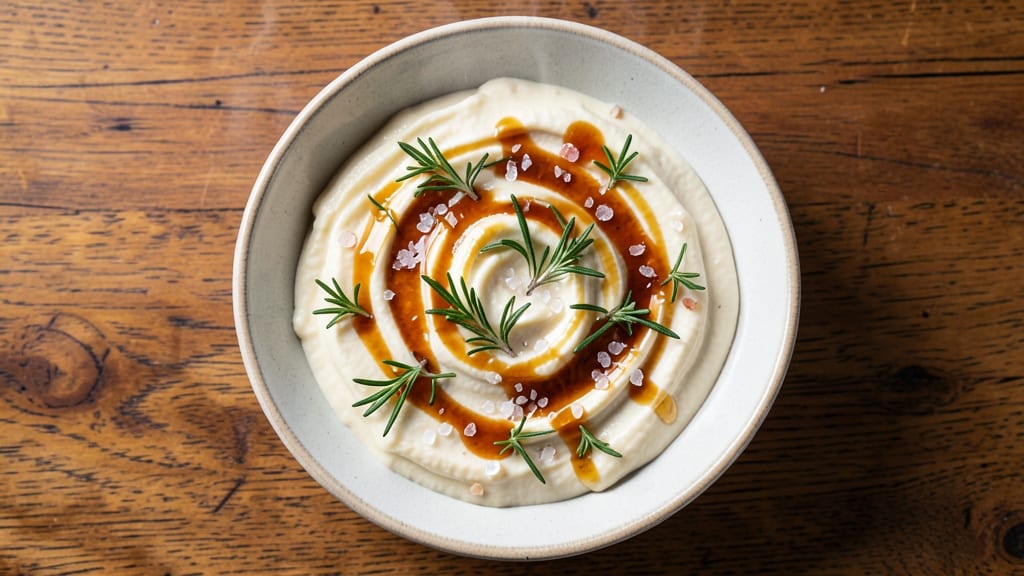
This goat butter recipe transforms simple goat cheese into a luxurious, spreadable condiment that elevates everything from toast to roasted vegetables. The combination of fresh herbs, wildflower honey, and a touch of sea salt creates a rich, complex flavor that's far more sophisticated than store-bought alternatives.
I developed this version after realizing how versatile goat cheese could be when properly softened and infused—it's become my go-to for both cooking and finishing dishes.
The process is straightforward but requires patience: goat cheese is gently whipped with butter until smooth, then infused with aromatic herbs and honey for depth. Unlike traditional butter, this version maintains a delicate tang while developing a velvety texture perfect for spreading or melting.
The key is working with room-temperature ingredients to achieve that ideal consistency without separation.
What you'll end up with is a golden, fragrant butter that's rich enough for baking but delicate enough to drizzle over warm bread. The honey adds natural sweetness that balances the goat cheese's acidity, while the herbs provide fresh, bright notes that make this butter uniquely versatile.
It's the kind of condiment that makes everyday meals feel special with minimal effort.
Use it as a spread for crostini, a finishing touch for roasted meats, or even as a baking fat for cookies and pastries. The possibilities are endless once you have this luxurious butter on hand. Let's get started on creating your own batch.
Ingredients for goat butter
Eight simple ingredients transform goat cheese into a velvety, aromatic spread that rivals gourmet shop versions.
| Ingredient | Amount | Notes |
|---|---|---|
| Unsalted Butter 🧈 | 1 cup | Cold, cut into cubes |
| Goat Cheese 🧀 | 8 oz | Room temperature, soft |
| Wildflower Honey 🍯 | 2 tbsp | Thick, local preferred |
| Fresh Thyme Leaves 🌿 | 1 tbsp | Finely chopped, stems removed |
| Fresh Rosemary Needles 🌿 | 1 tbsp | Finely chopped, organic preferred |
| Flaky Sea Salt 🧂 | 1 tsp | Like Maldon, for finishing |
| Extra-Virgin Olive Oil 🫒 | 1 tbsp | Light, fruity variety |
| Fresh Lemon Zest 🍋 | 1 tsp | From organic lemon |
The goat cheese is the star—look for creamy, soft varieties at specialty markets or the cheese counter. Whole Foods and Trader Joe's carry excellent options, but avoid pre-shredded (it gets grainy). The butter should be cold when you start, but don't let it get rock-hard—cut it into even cubes for smoother blending. Wildflower honey adds depth, but if you can't find it, clover honey works too. For the herbs, fresh is non-negotiable—they need to be vibrant and fragrant. I usually grab a small bunch of thyme and rosemary from the grocery store's organic section, but if you're growing your own, that's even better.
No wildflower honey? Orange blossom or acacia honey gives a similar floral note. Short on fresh herbs? Dried thyme at half the amount works in a pinch, but skip the rosemary—its piney flavor doesn't translate well. The olive oil is just for binding, so any light, fruity variety will do. If you're feeling fancy, add a pinch of black pepper or smoked paprika for complexity. The lemon zest brightens everything up, so don't skip it—just make sure it's freshly grated (pre-made zest loses its punch). For storage, keep the butter wrapped in parchment paper between uses.
This butter keeps for about 1 week in the fridge, but it's best used within 4-5 days for maximum freshness. The herbs will start to lose their brightness after that, so plan accordingly. For longer storage, portion it into small jars or wrap tightly in wax paper—it freezes beautifully for up to 3 months. The texture might get slightly grainy after freezing, but a quick whirl in the food processor brings it back to perfection. I always make a double batch because it disappears faster than I expect—especially when I'm roasting vegetables or making crostini.
Why You'll Love This Recipe
- Five-Ingredient Magic: I swear by this combo—no fancy techniques, just softened butter, crumbled goat cheese, and a drizzle of honey. The thyme and rosemary? Just a quick chop, and boom, you’ve got flavor without the fuss.
- Tangy-Sweet Bliss: That goat cheese brings a bright, almost citrusy kick, while the honey rounds it out like a hug. Honestly, the first time I tasted it, I immediately grabbed a warm baguette and didn’t stop until it was gone.
- Every Meal’s MVP: Spread it on toast, dollop it on grilled fish, or mix it into mashed potatoes—it’s my secret weapon for weeknights. Between us, it’s the one thing that makes even the simplest dinner feel special.
- No-Waste Luxury: A little goes a long way, and what’s left keeps beautifully in the fridge for up to a week. I make a double batch so I can toss it into pasta, roast veggies, or even slather it on cornbread crusts. Budget-friendly? Absolutely.
Instructions for goat butter recipe: rich spread with herbs and honey
Here's how to create a luxurious, velvety goat butter that balances tangy goat cheese with floral honey and aromatic herbs.
Prepare the Base Components
Begin by ensuring the 1 cup unsalted butter is cold and cut into ½-inch cubes. This prevents the butter from melting too quickly during blending. In a separate bowl, soften the 8 oz goat cheese at room temperature for 20-30 minutes until it reaches a spreadable consistency—it should yield slightly when pressed but not be liquid.
While the goat cheese softens, finely chop the 1 tablespoon fresh thyme leaves and 1 tablespoon fresh rosemary needles using a sharp knife. Remove any tough stems to avoid bitterness in the final spread. The herbs should be minced to the size of small confetti—this ensures even distribution without overpowering the delicate flavors.
Blend Butter and Herbs
Place the cold butter cubes in a food processor fitted with the metal blade attachment. Pulse 3-4 times until the butter resembles coarse crumbs—this texture is ideal for incorporating air while still allowing the herbs to distribute evenly. Add the chopped thyme and rosemary, then pulse 5-6 more times until the herbs are evenly distributed throughout the butter.
Here's the thing—don't over-blend or the butter will start to melt. You want a rough, crumbly texture that still holds its shape when pressed between fingers. This stage sets the foundation for the spread's texture, so take your time to achieve the perfect consistency.
Incorporate Goat Cheese and Olive Oil
Add the softened goat cheese to the food processor along with the 1 tablespoon extra-virgin olive oil. Process on low speed for 20-30 seconds until the mixture begins to come together. Scrape down the sides of the bowl with a spatula to ensure all ingredients are incorporated evenly.
At this point, the mixture should resemble a thick, crumbly paste. If it appears too dry, add 1 teaspoon water and pulse briefly to combine. The olive oil adds moisture and helps bind the ingredients, while the goat cheese contributes its signature tangy richness. This is where the flavors start to meld beautifully.
Sweeten and Finish with Honey and Zest
Add the 2 tablespoons wildflower honey and 1 teaspoon fresh lemon zest to the processor. Pulse on low speed for 15-20 seconds until the honey is fully incorporated and the lemon zest is evenly distributed. The honey should create a glossy sheen, indicating it's properly blended without separating.
Taste the mixture at this stage—you'll notice the balance of creamy butter, tangy goat cheese, floral honey, and citrusy zest. If the flavor needs adjustment, add a pinch more flaky sea salt or a drizzle of honey. The spread should be rich but not overly sweet, with bright herbal and citrus notes that cut through the richness.
Season and Package
Transfer the goat butter to a small bowl and fold in the 1 teaspoon flaky sea salt using a rubber spatula. The salt should be distributed evenly throughout the mixture, enhancing the flavors without overpowering them. For a more elegant presentation, divide the goat butter among small jars or ramekins.
Cover the jars with parchment paper and refrigerate for at least 1 hour before serving. This resting period allows the flavors to fully meld and the textures to set. The finished spread should be smooth yet slightly crumbly, with a vibrant color from the herbs and honey. Serve with crusty bread, crackers, or fresh fruit for the ultimate gourmet experience.
Pro Tips For Making Goat Butter
- SOFTEN BUTTER FULLY: Goat butter won’t blend smoothly if your butter has even a hint of coldness. Take the block out of the fridge 30 minutes before mixing—yes, even if you’re in a hurry. I used to rush this and end up with a grainy, lumpy mess that looked like someone forgot to shake the jar.
- SALT THE GOAT CHEESE: Unsalted butter plus unsalted goat cheese can taste flat. Sprinkle a pinch of flaky salt (about ¼ teaspoon) directly over the goat cheese before blending—it’ll distribute evenly and cut through the tang. I learned this after making a batch that tasted like it needed a whole salt shaker.
- CHOP HERBS FINE: Whole thyme sprigs and rosemary needles will clog your food processor and leave you with uneven texture. Pulse the herbs in short bursts until they’re almost powdered—just fine enough to disappear into the butter without losing their flavor. (Pro tip: Freeze the herbs for 10 minutes first; they’ll crush easier.)
- BALANCE HONEY LAST: Add the honey after blending the butter and cheese, then pulse just until combined. Dumping it in early can make the mixture watery and dilute the goat cheese’s richness. Start with 1 teaspoon, taste, then adjust—you can always add more, but you can’t take it out.
Best sauces and condiments for this goat butter
Herb-Infused Compound
This goat butter shines as a compound butter for searing proteins like steaks or salmon. I melt 1 tbsp of the spread in a cast-iron skillet over medium-high heat until golden, then use it as a flavor base for sautéing mushrooms or onions.
The thyme and rosemary infuse the pan with aroma while adding depth to any dish. For extra richness, add a splash of white wine or apple cider to deglaze the pan after cooking. 🌿
Baking Enhancer
Use this butter as a baking fat in cookies, scones, or pie crusts for a tangy twist. Replace 25% of the butter in your recipe with goat butter—about 2 tbsp per cup of regular butter.
The honey adds moisture while the goat cheese prevents dryness in baked goods. I love using it in shortbread cookies, where the floral notes complement vanilla beautifully.
Vegetable Roasting Glaze
Brush roasted vegetables with melted goat butter for a caramelized finish. Toss asparagus, Brussels sprouts, or cauliflower in olive oil, then drizzle with melted spread before roasting. The honey creates a sticky glaze while the herbs add aromatic complexity.
Roast at 425°F for 20-25 minutes until tender and golden. Finish with a sprinkle of flaky salt for contrast. 🔥
Breakfast Spread
This butter is perfect for toasting or French toast. Spread a generous layer on warm bread and top with sliced figs, pear slices, or walnuts for a sweet-savory combo.
For French toast, mix 1 tbsp goat butter into the egg batter before dipping bread. The tangy richness cuts through the sweetness of maple syrup beautifully.
Cheese Board Elevator
Serve small portions with aged cheddar, brie, or goat cheese on a charcuterie board. The honey and herbs complement nutty cheeses while adding brightness to milder varieties. Pair with crackers, dried apricots, and marcona almonds for a sophisticated spread.
I often include a small bowl of the goat butter alongside cured meats like prosciutto for dipping. 🧀
Dinner Finishing Touch
Use as a garnish for grilled meats or pasta dishes. Dot melted goat butter over seared scallops, grilled chicken, or fettuccine Alfredo in the final minute of cooking. The lemon zest brightens rich dishes, while the herbs add an earthy aroma.
For pasta, toss with 1 tbsp olive oil and fresh basil** to create an instant gourmet sauce. ✨
Nutrition facts
Frequently asked questions
Can I make this goat butter without a food processor?
Use a sturdy stand mixer with the paddle attachment or even a hand mixer. Work in short bursts to prevent the butter from melting—blend just until combined, then let it rest for 5 minutes between mixing sessions. For a rustic approach, mix by hand with a fork in a bowl, pressing ingredients together gently until smooth.
How do I adjust the flavor if I don't like goat cheese?
Swap the goat cheese for cream cheese or ricotta (use 6 oz for similar texture). For a dairy-free option, try cashew cream (soaked ½ cup cashews blended with ¼ cup water)—it adds creaminess without tang. The honey and herbs will still shine, but the flavor profile becomes milder and sweeter.
Why did my goat butter turn grainy after refrigerating?
This happens when the fat separates due to temperature changes or over-blending. To fix it, let the butter sit at room temperature for 10-15 minutes, then pulse briefly in a food processor until smooth. For prevention, avoid refrigerating longer than 1 week—store in the freezer for up to 3 months to maintain texture.
Can I use this butter for cooking instead of just spreading?
Yes! It’s perfect for sautéing, roasting, or basting. Melt 1 tbsp in a pan over medium heat for mushrooms or asparagus, or brush onto roasted vegetables before baking. The herbs infuse beautifully, but avoid high heat to prevent burning. For baking, replace 25% of butter in recipes with this spread for a tangy twist.
What’s the best way to store leftovers?
Portion into small jars or wrap tightly in parchment paper. Refrigerate for up to 1 week or freeze for 3 months. To thaw, let it sit at room temperature for 30 minutes—never microwave, as it can cause separation. For longer shelf life, add a pinch of citric acid (½ tsp) to the mixture before storing.