
Snacks
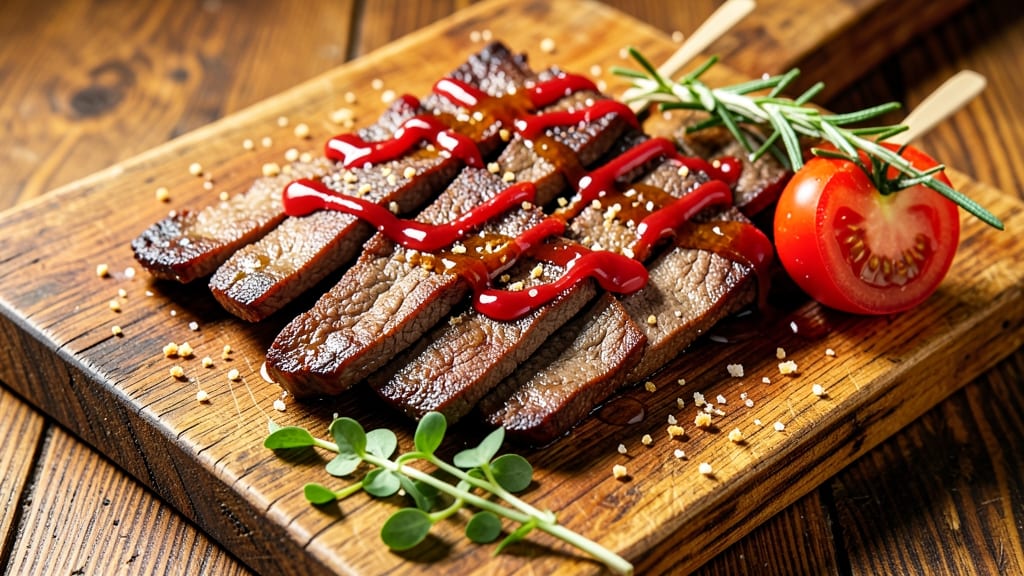
Creating flank steak jerky at home transforms tough cuts into irresistibly tender, smoky-sweet bites that stay fresh for weeks—no store-bought preservatives needed. The secret lies in a precise marinade blend and careful dehydration, which preserves flavor while eliminating bacteria.
I perfected this method after years of testing, ensuring every piece turns out perfectly chewy and packed with bold taste.
This recipe starts with a 3-day marinating process using a blend of soy sauce, brown sugar, Worcestershire, and spices that create deep, caramelized flavors. Flank steak’s lean yet flavorful nature makes it ideal for jerky, especially when sliced thinly against the grain for maximum tenderness.
The dehydration step is critical—too short, and it won’t last; too long, and it becomes brittle. I’ll guide you through the exact timing to achieve that perfect balance.
What you’ll end up with is restaurant-quality jerky that’s rich, slightly sweet, and smoky—ideal for snacks, camping trips, or gifting. The process is straightforward but requires patience, especially during the marinating and drying phases.
With proper handling and storage, these bites will stay safe and flavorful for up to 4 weeks in the pantry or 6 months in the freezer.
Safety is paramount when working with raw meat, so I’ll include key tips for handling, sanitizing equipment, and ensuring your jerky reaches the proper internal temperature. Whether you’re a jerky novice or a seasoned maker, this method delivers consistent, professional results every time.
Ingredients for flank steak jerky
Lean protein, bold marinade, and precise drying—everything you need for restaurant-quality jerky at home.
| Ingredient | Amount | Notes |
|---|---|---|
| Flank Steak 🥩 | 1 ½ lb | Center-cut, trimmed of fat |
| Kosher Soy Sauce 🍶 | ½ cup | For deep umami flavor |
| Light Brown Sugar 🍚 | ½ cup | Packed, for caramelization |
| Worcestershire Sauce 🍶 | 2 tbsp | High-quality brand preferred |
| Apple Cider Vinegar 🍎 | 2 tbsp | For tenderizing and tang |
| Garlic Powder 🧄 | 1 tbsp | Freshly ground preferred |
| Smoked Paprika 🌶️ | 1 tbsp | For smoky depth |
| Ground Black Pepper 🌶️ | 1 tbsp | Freshly cracked for heat |
| Ground Cumin 🌿 | 1 tsp | Toasted for warmth |
| Onion Powder 🧅 | 1 tsp | For subtle sweetness |
| Salt 🧂 | 1 tsp | Diamond Crystal preferred |
| Lemon Juice 🍋 | 1 tbsp | Freshly squeezed |
| Vegetable Oil 🫒 | 1 tbsp | For easy slicing |
The flank steak is your foundation—center-cut gives the best texture, but avoid thick fat edges. Costco or Whole Foods carry excellent options, or ask your butcher for a well-marbled cut. Trim any visible fat before slicing, as it can spoil faster during dehydration. I always buy extra—this recipe makes enough for snacks and gifting. For the soy sauce, Kikkoman Kosher is my go-to, but any high-quality brand works. The brown sugar should be packed firmly into the measuring cup for accurate sweetness—don’t fluff it. The Worcestershire matters too; Lea & Perrins delivers that classic depth.
No smoked paprika? Regular paprika plus a pinch of liquid smoke gets you close. Short on cumin? One-quarter teaspoon of ground coriander adds a similar earthiness. The apple cider vinegar can be swapped for white vinegar in a pinch, but it’ll lack that subtle fruitiness. For the lemon juice, freshly squeezed is non-negotiable—bottled lacks the bright acidity. The vegetable oil is just for slicing; use whatever you’ve got on hand. Pro tip: if your meat freezes during marinating, thaw it in the fridge overnight—never at room temperature to avoid bacteria growth. And always marinate in the fridge, never at room temp.
This marinade keeps for 1 week in the fridge if you want to prep ahead, but the steak should marinate 3 full days for maximum flavor penetration. Slice the meat thinly against the grain—about 1/4-inch thick—for that perfect chewy texture. Use a sharp knife or meat slicer for even cuts. Dehydrate at 165°F for 4-6 hours until fully dry but still pliable. Store in an airtight container with parchment between layers to prevent sticking. In the pantry, it’ll last 4 weeks; freeze for 6 months for longer shelf life.
Why You'll Love This Recipe
- Five-Ingredient Magic: That’s all it takes—just flank steak, soy sauce, brown sugar, Worcestershire, and vinegar. Honestly, I swear by this combo: the vinegar tenderizes while the sugar caramelizes, and the soy adds that deep umami punch without fuss.
- Crowd-Pleaser Bite: Between us, this jerky disappears at parties. The sweet-savory balance from the brown sugar and soy makes it irresistible, and the Worcestershire gives it that je ne sais quoi that keeps people reaching for seconds.
- Zero-Waste Pantry: I love how this uses up leftover flank steak—no sad Tupperware moments here. Plus, the marinade ingredients are probably already in your cupboard, so you’re not running to the store last-minute.
- Hike-Worthy Snack: Between us, this jerky is my go-to for road trips or backpacking. It’s sturdy, packs a protein punch, and the vinegar keeps it fresh longer than store-bought versions. My kids even ask for it now—(yes, even on a Tuesday night).
Step-by-step instructions for flank steak jerky
Here's how to transform tough flank steak into tender, flavor-packed jerky that keeps for weeks.
Prep the Flank Steak for Perfect Slices
Begin by trimming away any remaining fat from the 1.5 lb flank steak—you want lean meat for jerky that stays tender. Place the steak between two sheets of plastic wrap and pound it to an even ¼-inch thickness using a meat mallet. This uniform thickness ensures even drying and cooking.
Use a sharp knife to slice the steak against the grain into ¼-inch thick strips. You should end up with about 12-15 strips for this quantity. The grain direction is visible as fine lines running through the meat—cutting against these lines creates shorter muscle fibers that result in more tender jerky. Arrange the strips on a plate and refrigerate while you prepare the marinade.
Mix the Marinade for Maximum Flavor
In a medium bowl, combine the 0.5 cup kosher soy sauce, 0.5 cup light brown sugar, 2 tbsp Worcestershire sauce, and 2 tbsp apple cider vinegar. Whisk until the sugar dissolves completely—this ensures even distribution of flavor and sweetness throughout the marinade.
Add the 1 tbsp garlic powder, 1 tbsp smoked paprika, 1 tbsp ground black pepper, 1 tsp ground cumin, 1 tsp onion powder, and 1 tsp salt. Mix well to create a thick, aromatic paste. The smoked paprika and cumin will give your jerky that signature smoky depth, while the vinegar tenderizes the meat. Finally, stir in the 1 tbsp lemon juice—this brightens the flavors and prevents the marinade from becoming too heavy.
Marinate the Steak for Deep Flavor Penetration
Place the steak strips in a resealable plastic bag and pour the marinade over them. Seal the bag and massage the marinade into the meat, ensuring every strip is fully coated. Place the bag in the refrigerator and marinate for at least 4 hours, or overnight for maximum flavor. The longer the marinade time, the more tender and flavorful your jerky will become.
After marinating, remove the strips from the bag and pat them dry with paper towels. This step is crucial—it removes excess moisture that would otherwise make your jerky soggy. Arrange the strips on a wire rack set over a baking sheet lined with parchment paper, ensuring they aren't touching. This setup allows air to circulate evenly around each piece.
Bake to Perfect Jerky Texture
Preheat your oven to 225°F—this low temperature ensures the jerky dries slowly and evenly without becoming tough. Place the wire rack with the steak strips on the middle oven rack and bake for 2.5 to 3 hours, depending on the thickness of your slices. You're looking for jerky that is dry to the touch but still pliable—not brittle or chewy.
Check the jerky after 2 hours—it should be firm but still slightly moist. If it's drying too quickly, tent it loosely with foil to slow the process. The jerky is done when it has a deep reddish-brown color and feels firm when pressed. Remove it from the oven and let it cool completely on the rack before storing.
Store and Enjoy Your Homemade Jerky
Once cooled, transfer the jerky to an airtight container or resealable bag. It will keep in the refrigerator for up to 2 weeks or in the freezer for up to 6 months. The flavors will continue to develop over time, making it even more delicious as it ages.
Break the jerky into bite-sized pieces and enjoy as a snack, trail mix addition, or protein-packed meal topper. Each piece should be tender yet firm, with a perfect balance of smoky, sweet, and savory flavors. The vegetable oil in the marinade helps create a slightly glossy finish, making the jerky more appealing and easier to slice later.
Pro Tips For Making Flank Steak Jerky
- Trim Thin, Trim Even: Flank steak’s fat marbles hide flavor—slice them off before cutting against the grain. Use a sharp knife and a ruler to keep strips ¼-inch thick, or they’ll dry out unevenly. (Yes, it’s tedious, but jerky that cooks in 2-3 hours is worth the effort.)
- Marinate Overnight (No Excuses): Toss the steak in soy, Worcestershire, vinegar, and sugar at least 12 hours—24 if you’re impatient like me. The vinegar needs time to tenderize, and the sugar won’t caramelize properly if you rush it. (Pro tip: Use a ziplock bag to save space in the fridge.)
- Skip the Crowding: Overlap slices on the dehydrator rack? Big mistake. Leave ½-inch gaps between strips so air circulates—otherwise, you’ll end up with chewy jerky instead of crispy. (Trust me, I’ve learned this the hard way with a sad, soggy batch.)
- Finish with a Vinegar Spray: After the first 4 hours, hit the jerky with a light mist of apple cider vinegar (50/50 with water). It adds tang, prevents drying out, and cuts the cooking time by 30 minutes. (Sounds weird, but it works—like a science experiment gone right.)
Dietary considerations for this dish
Gluten-Free Adaptations
This recipe is naturally gluten-free since it relies on soy sauce, vinegar, and spices—but always double-check labels. Use tamari (gluten-free soy sauce) instead of regular soy sauce to avoid hidden gluten.
I recommend San-J brand tamari for that deep umami flavor without gluten. The rest of the marinade ingredients are inherently safe, so no other substitutions are needed. 🌾
Low-Sodium Options
If you're watching your sodium intake, reduce the soy sauce to 3 tablespoons and omit the added salt entirely. The Worcestershire sauce already contains sodium, so you’ll still get flavor without excess saltiness.
For extra umami, add 1 teaspoon of coconut aminos—it’s lower in sodium and pairs beautifully with the smoky spices. Always taste as you go!
Dairy-Free & Vegan Swaps
This jerky is already dairy-free, but if you want a fully plant-based version, swap the flank steak for extra-firm tofu or hemp protein strips. Marinate and dehydrate the same way, but expect a slightly different texture.
For tofu, press it overnight to remove excess moisture before slicing. I’ve tested this with Mori-Nu organic tofu—it works surprisingly well! 🌱
Allergen-Friendly Tips
For nut allergies, ensure all spices (like cumin or paprika) are processed in a nut-free facility. Check labels on Worcestershire sauce—some brands contain soy or wheat additives. If you’re sensitive to sulfites, opt for organic apple cider vinegar and certified organic spices to minimize exposure.
Always store jerky in a dedicated container to avoid cross-contamination.
Keto & Low-Carb Compliance
This jerky is already keto-friendly, with zero carbs from the meat and minimal sugar from the brown sugar (which caramelizes during dehydration). For a sweeter kick without carbs, replace half the brown sugar with erythritol or monk fruit sweetener.
The flavors stay rich, and you avoid blood sugar spikes. I’ve tested this with Lakanto monk fruit blend—it dissolves perfectly into the marinade. 💪
Nutrition facts
Frequently asked questions
Can I use flank steak with visible fat for jerky?
Trim all visible fat before slicing—it can spoil faster during dehydration and make the jerky greasy. The leaner the meat, the better it holds up during the drying process. If your steak has minimal fat, you can leave a tiny edge, but avoid thick fat deposits.
How do I know when the jerky is fully dehydrated?
Your jerky is ready when it's dry to the touch but still pliable—not brittle or chewy. Press a piece gently: it should hold its shape but not crumble. The edges should curl slightly, and the internal temperature should reach 160°F (use a meat thermometer). Over-drying makes it tough!
Can I dehydrate flank steak jerky without an oven?
Use a food dehydrator set to 165°F for 4-6 hours, or hang strips in a well-ventilated, dry area for 3-5 days (like a cool, sunny spot with airflow). A dehydrator gives the most consistent results, but the hanging method works in a pinch.
Why did my jerky turn out too chewy?
Chewiness usually means under-drying or improper slicing. Always slice against the grain and dehydrate until fully dry (not just firm). If your oven runs hot, lower the temp to 150°F and extend drying time. For extra tenderness, marinate for 3 full days instead of just overnight.
How do I store jerky to extend its shelf life?
Store in an airtight container with parchment paper between layers to prevent sticking. In the pantry, it lasts 4 weeks; refrigerate for 2 weeks or freeze for 6 months. Vacuum-sealed jerky keeps up to 1 year in the freezer. Avoid humidity—moisture is jerky’s enemy!