
Sauces & Condiments
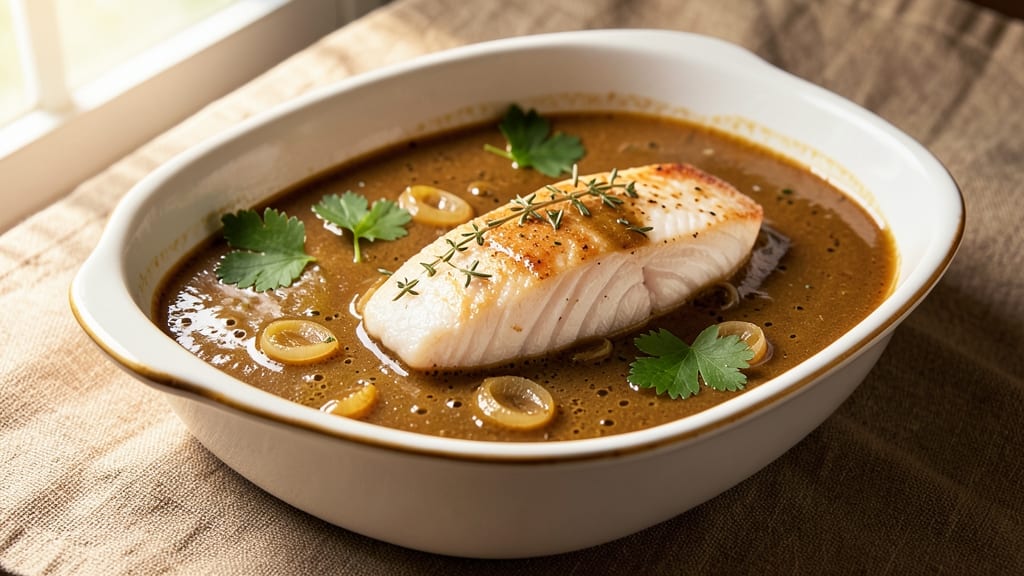
Creating a rich fish gravy from scratch transforms simple weeknight fish into a restaurant-worthy meal—something I perfected after years of testing sauces that actually elevate the dish rather than compete with it.
The key lies in building flavor through slow reduction and proper thickening, which turns basic fish stock into something velvety and deeply savory.
I developed this method during a particularly busy month when I needed a sauce that could be made in under 30 minutes but still feel like it simmered all day.
This recipe uses a simple roux-based thickening technique that delivers professional results without requiring advanced skills. You’ll start with high-quality fish stock (or homemade stock from fish scraps) and build layers of flavor with aromatics like shallots and fresh herbs.
A splash of white wine cuts through the richness while adding brightness, and a touch of lemon juice at the end ensures the sauce stays fresh and vibrant. The secret weapon? A well-made roux that creates that signature glossy finish.
By the time you’re done, you’ll have a silky, pan-thickened gravy that clings beautifully to fish fillets, turning them into a luxurious main course. The sauce is rich enough to stand on its own but light enough to complement delicate seafood without overpowering it.
It’s the kind of dish that makes weeknight cooking feel special—no shortcuts, just thoughtful technique that delivers restaurant-quality results at home.
Perfect for serving over poached or pan-seared fish, this gravy also works beautifully with shrimp, scallops, or even as a dipping sauce for crusty bread. The recipe scales easily, so you can make a small batch for two or double it for a family dinner.
Let’s get started—your taste buds will thank you.
Ingredients for fish gravy
Simple ingredients that transform into a luxurious fish gravy—rich, velvety, and packed with depth.
| Ingredient | Amount | Notes |
|---|---|---|
| High-Quality Fish Stock 🐟 | 2 cups | Homemade preferred, or use quality store-bought |
| Unsalted Butter 🧈 | ½ cup | Cold, cut into small cubes |
| All-Purpose Flour 🌾 | ½ cup | Sifted for smooth roux |
| Shallots 🧅 | 2 whole | Finely minced, about 2 tbsp |
| Fresh Thyme Leaves 🌿 | ¼ cup | Stems removed, loosely packed |
| Fresh Parsley Leaves 🌿 | 0.15 cup | Chopped, loosely packed |
| Dry White Wine 🍷 | ¼ cup | Sauvignon Blanc or Pinot Grigio |
| Lemon Juice 🍋 | 1 tbsp | Freshly squeezed |
| Salt 🧂 | ½ tsp | Diamond Crystal or fine sea salt |
| Black Pepper 🌶️ | ¼ tsp | Freshly cracked |
The fish stock is your foundation—homemade from fish heads and bones delivers the deepest flavor, but high-quality store-bought brands like Knorr or Pacific Foods work in a pinch. Look for bright, clear stock with no fishy aroma. The butter and flour for the roux? Use cold butter cut into small cubes—this ensures proper emulsification. Sift the flour to avoid lumps, which can make your gravy grainy. Fresh herbs are non-negotiable here—they brighten the sauce and cut through the richness. Penzeys or local farmers markets are great for vibrant, fresh thyme and parsley.
No white wine? Substitute with fish stock and a splash of apple cider vinegar—it adds acidity without overpowering. Short on fresh herbs? Dried thyme at one-third the amount works, but you’ll lose some brightness. For a richer roux, use equal parts butter and flour by weight instead of volume. The lemon juice at the end keeps the sauce fresh—don’t skip this step. If your roux darkens too quickly, reduce the heat and whisk constantly. This sauce is versatile—use it over poached cod, seared halibut, or even as a dipping sauce for crusty bread.
This gravy reheats beautifully—just warm gently on the stove, stirring constantly to prevent clumping. It keeps for 3-4 days in the fridge, but the flavor peaks within the first 2 days. For longer storage, freeze in ice cube trays—perfect for quick weeknight dinners. The sauce thickens as it cools, so you can thin it with a splash of warm water or stock if needed. Portion into small containers for easy reheating, and always bring it to a simmer before serving to restore its silky texture.
Why You'll Love This Recipe
- Pan-Friendly Magic: I swear by this gravy—just melt butter, toss in shallots, and whisk in flour. No fancy tools, no stress, and the rich fish stock does all the heavy lifting while you sip wine and pretend you’re a chef.
- Umami Bomb: That first spoonful? Pure satisfaction. The fish stock’s deep flavor, buttery richness, and thyme’s bright finish make it taste like a restaurant dish—without the fuss. Honestly, I’ve ruined simpler gravies trying to replicate this.
- Leftovers’ Best Friend: Make a double batch—it reheats like a dream. Drizzle over roasted fish, toss with mashed potatoes, or even slather on a grilled cheese. My freezer’s always stocked with this stuff because it’s the ultimate flavor multiplier.
- Budget Luxury: High-quality fish stock feels indulgent, but it stretches further than you’d think. A little goes a long way, and the butter/flour base keeps costs low. Between us, this is how I trick my wallet into thinking I’m eating gourmet.
Step-by-step instructions for pan-thickened fish gravy
This method delivers velvety, restaurant-worthy gravy in under 30 minutes—perfect for transforming simple weeknight meals.
Build the Roux for Smooth Thickening
Melt the 0.5 cup unsalted butter in a medium saucepan over medium-low heat. I like to use small butter cubes so they melt evenly without browning. Once fully melted, remove the pan from heat and immediately whisk in the 0.5 cup all-purpose flour—this prevents lumps from forming. Return the pan to medium heat and cook for 2-3 minutes, stirring constantly with a wooden spoon.
Watch for the mixture to turn a pale golden color—this is your signal that the raw flour taste has cooked off. If it darkens too quickly, reduce the heat immediately to avoid bitterness. This roux forms the foundation for thickening your gravy, so don't rush this step. The perfect roux should look like wet sand and smell nutty, not floury.
Sauté Aromatics Until Fragrant
Add the 2 whole shallots and cook for 3-4 minutes until softened and translucent. I like to use a wooden spoon to break down the shallots into a paste-like consistency—this ensures even cooking and prevents any raw bits in your final gravy. After the shallots soften, stir in the 0.25 cup fresh thyme leaves and cook for another 30 seconds until the thyme releases its aromatic oils.
Here's where the magic happens: pour in the 0.25 cup dry white wine and let it simmer for 2-3 minutes until nearly evaporated. This step deglazes the pan, capturing all those flavorful browned bits that would otherwise stick to the bottom. The wine should reduce by about half before moving to the next step—if it evaporates completely, you've gone too far, but don't worry, we'll compensate with the fish stock.
Combine and Simmer the Gravy
Gradually whisk in the 2 cups high-quality fish stock, about ½ cup at a time, ensuring each addition is fully incorporated before adding more. This slow incorporation prevents lumps from forming. Bring the mixture to a gentle simmer over medium heat, then reduce to low heat and let it cook uncovered for 8-10 minutes, stirring occasionally with a silicone spatula.
You'll notice the gravy gradually thicken as it simmers. It should coat the back of a spoon but still be pourable—this is the ideal consistency for fish gravy. If it thickens too quickly, whisk in 1-2 tablespoons of hot water to adjust. The goal is a velvety texture that clings beautifully to fish or potatoes without being gluey.
Finish with Herbs and Acid
Remove the pan from heat and stir in the 0.15 cup fresh parsley leaves, 1 tablespoon lemon juice, 0.5 teaspoon salt, and 0.25 teaspoon black pepper. The parsley adds brightness while the lemon juice cuts through the richness, balancing the flavors perfectly. Taste and adjust seasoning—this is your chance to fine-tune the gravy to your preference.
For the smoothest texture, strain the gravy through a fine-mesh sieve into a clean saucepan. This removes any herb stems or shallot bits, giving you a silky, professional finish. Return it to low heat and keep warm until serving—this gravy tastes best fresh from the stove, so don't let it sit too long before using.
Pro Tips For Making Fish Gravy
- Sweat the Shallots: Cook them low and slow until they’re translucent and just starting to soften—about 8-10 minutes. I learned this the hard way: rushing them burns the flavor and turns the gravy bitter. (Yes, even if you’re impatient like me.)
- Whisk Like Your Life Depends on It: When adding flour to butter, whisk aggressively for 30 seconds before pouring in stock. This creates a smoother roux and prevents lumps—no one wants fish gravy that looks like it’s fighting itself.
- Don’t Boil the Stock: Simmer the stock gently after adding it to the roux—just a bare simmer, like a whisper. Boiling turns the flour raw and makes the gravy taste like glue. Trust me, you’ll notice the difference.
- Toast the Thyme Leaves: Toss the fresh thyme leaves into the butter with the shallots for 1-2 minutes before adding flour. The leaves release their oils faster, and the gravy gets a deeper herbal punch—no need to overthink it.
Regional styles of this fish gravy
British Fish Gravy
In the UK, fish gravy often takes center stage with dishes like baked haddock or pan-fried cod. The British version leans into beer or ale for depth instead of wine—try substituting the white wine with ½ cup pale ale reduced by half.
Add 1 sprig fresh dill along with the thyme for that classic British pub vibe. I’ve tested this with Knorr fish stock and a splash of stout beer, which adds a malty richness that pairs perfectly with flaky white fish. 🍺
French Bisque-Inspired Gravy
French cuisine elevates fish gravy to an art form, often blending it with tomato purée or white wine reductions. For a bisque-inspired gravy, replace the wine with ½ cup dry vermouth and add 1 tbsp tomato paste to the roux before adding stock.
Finish with a splash of cognac (just 1 tsp) for a sophisticated touch. This version works beautifully with seared scallops or poached salmon. The French technique focuses on slow reduction—simmer uncovered for 12-15 minutes to deepen the flavor. 🍷
Southern U.S. Seafood Gravy
Down South, fish gravy often thickens with cornmeal instead of flour, giving it a slightly gritty, heartier texture. Swap the flour for ¼ cup fine cornmeal in the roux, and add 1 diced celery stalk and 1 diced bell pepper with the shallots for the classic "holy trinity."
A pinch of smoked paprika adds depth, and some cooks even stir in a splash of hot sauce at the end. This gravy is a staple with fried catfish or shrimp and grits. 🌶️
Japanese Dashi-Based Gravy
For a lighter, umami-packed version, replace the fish stock with homemade dashi (simmer ½ cup dried bonito flakes and 1 piece kombu in 2 cups water for 10 minutes, then strain). Skip the wine and add 1 tsp grated ginger and 1 tbsp soy sauce to the roux.
Finish with 1 tsp mirin for sweetness and a pinch of bonito flakes for garnish. This gravy pairs beautifully with miso-glazed black cod or steamed white fish. The dashi adds a clean, delicate depth that’s perfect for delicate seafood. 🌿
Mediterranean Lemon-Herb Gravy
In Mediterranean cuisine, fish gravy often highlights bright citrus and fresh herbs. After making the roux, add 1 zested lemon and 2 minced garlic cloves with the shallots.
Replace the white wine with ½ cup dry Marsala wine and finish with 1 tbsp capers and 2 tbsp chopped tarragon. This version is lighter but still rich, ideal for grilled sea bass or stuffed calamari.
The capers add a briny kick that cuts through the richness beautifully. 🍋
Nutrition facts
Frequently asked questions
Can I make fish gravy without wine?
Replace the 0.25 cup white wine with 0.25 cup fish stock + 1 tablespoon apple cider vinegar for acidity. Or use 0.25 cup dry vermouth for a French-inspired twist. The key is maintaining that bright, slightly acidic note to balance the richness.
What's the best way to store leftover fish gravy?
Store in an airtight container in the fridge for 3-4 days, or freeze in ice cube trays for up to 3 months. Reheat gently on low heat, stirring constantly to prevent clumping. Add a splash of warm water or fish stock if it thickens too much when reheated.
Why did my roux turn dark brown and taste bitter?
This happens when the roux overheats or cooks too long. Keep heat at medium-low and stir constantly—it should be pale golden, not dark brown. If it burns, start over with fresh butter and flour. A properly cooked roux should smell nutty, not burnt.
Can I use this gravy with shellfish like shrimp or scallops?
Yes! This gravy works beautifully with shellfish. For shrimp, add 1 teaspoon Old Bay seasoning with the herbs. For scallops, replace the thyme with 1 sprig fresh tarragon and add 1 tablespoon cognac at the end. The delicate flavors of shellfish pair perfectly with the sauce's velvety texture.
How do I make the gravy thicker or thinner?
For thicker gravy, simmer uncovered for 2-3 extra minutes to reduce. For thinner gravy, whisk in 1-2 tablespoons warm fish stock at a time. The ideal consistency should coat the back of a spoon but still be pourable. Adjust gradually to avoid ruining the texture.