
Beverages
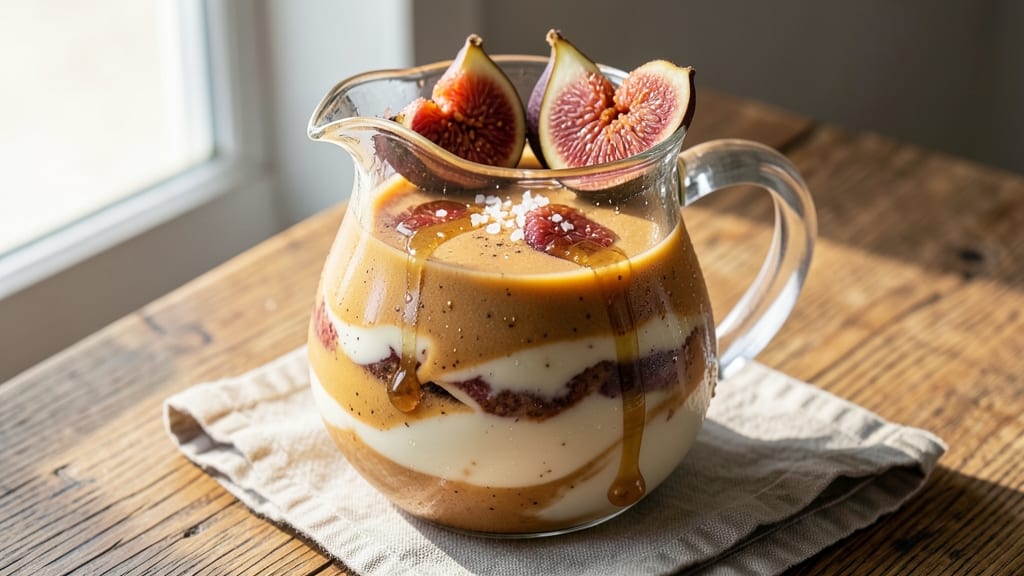
Fig milk recipe transforms ripe figs into a velvety, naturally sweetened beverage that rivals store-bought options—without artificial additives. The secret lies in blending fresh figs with milk until perfectly smooth, creating a creamy texture that's rich yet light.
I developed this after craving something comforting yet health-conscious, and the result is a drink that's both indulgent and nourishing.
This recipe delivers a creamy consistency by using ripe figs that blend effortlessly with milk, requiring no added thickeners. The natural sweetness of the figs balances the richness of the milk, while optional vanilla or cinnamon adds depth.
It takes just 10 minutes to prepare, making it perfect for busy mornings or as a dessert alternative.
What you'll end up with is a silky-smooth beverage that's perfect over ice or warmed gently for a cozy treat. The figs provide natural sweetness, while the milk adds creaminess that makes every sip satisfying. This recipe is versatile enough for daily enjoyment yet special enough for guests.
Pair it with breakfast pastries or enjoy it as a standalone drink. The possibilities are endless—let's create this refreshing fig milk together.
Ingredients for fig milk
Eight simple ingredients transform ripe figs into velvety plant-based milk with natural sweetness and creamy texture.
| Ingredient | Amount | Notes |
|---|---|---|
| Fresh Figs 🍇 | 1 lb | Ripe, firm, stems removed |
| Unsweetened Almond Milk 🥛 | 4 cups | Cold, unsweetened preferred |
| Vanilla Bean 🌿 | 1 whole | Split lengthwise for seeds |
| Pure Maple Syrup 🍯 | 2 tbsp | Grade A preferred |
| Ground Cinnamon 🌿 | ½ tsp | Freshly ground preferred |
| Pinch of Sea Salt 🧂 | ⅛ tsp | Diamond Crystal preferred |
| Ice Cubes ❄️ | 1 cup | For serving over milk |
| Optional Vanilla Extract 🌿 | ½ tsp | Pure, no alcohol preferred |
The figs are the foundation—opt for ripe but firm varieties like Kadota or Black Mission, available at specialty markets or organic sections. Whole Foods and Trader Joe's carry excellent options, but local farmers' markets often have fresher, more flavorful figs. Avoid overripe figs with soft spots, as they'll create a gritty texture. For maximum flavor, use figs at room temperature before blending. The vanilla bean should be plump with visible seeds—Madagascar or Bourbon varieties work best, and splitting it releases aromatic oils that elevate the entire drink.
No vanilla bean? Pure vanilla extract works as a substitute, though the flavor profile differs slightly. For a sweeter profile, increase maple syrup to 3 tbsp and reduce almond milk by 0.5 cup. If almond milk isn't available, oat milk or cashew milk provide similar creaminess. The cinnamon adds warmth—Ceylon cinnamon has a milder flavor, while Cassia offers stronger spice. For a nut-free option, coconut milk creates a richer texture, though it alters the flavor profile. Always strain through a fine-mesh sieve to achieve that signature silky consistency.
Store fig milk in an airtight container in the refrigerator for up to 5 days, though it's best enjoyed within 3 days for optimal freshness. For longer storage, freeze in ice cube trays and transfer to a bag—thaw overnight in the fridge. The milk thickens slightly when chilled, so stir gently before serving. This recipe doubles easily, making it ideal for batch preparation. Serve over ice for a refreshing drink or warm gently for a cozy dessert alternative. The natural sweetness intensifies when chilled, so adjust maple syrup to taste after refrigeration.
Why You'll Love This Recipe
- Five-Ingredient Magic: I swear by this recipe because it’s that simple—just blend, strain, and pour. No fancy tools, no stress, and honestly, the hardest part is picking ripe figs (which, spoiler, is worth the hunt).
- Sunshine in a Glass: That first sip? Pure joy. The figs bring jammy sweetness, the vanilla deepens it, and the cinnamon adds this warm, cozy kick—like dessert and comfort drink had a baby. (Yes, even on a Tuesday night.)
- Breakfast to Brunch: Pour it over oatmeal, drizzle it on toast, or sip it straight—this stuff works everywhere. I’ve used it as a pancake syrup, a latte sweetener, and even a glaze for roasted chicken. (Okay, maybe don’t do that last one… but you get the idea.)
- No Waste, All Gain: Figs get pricey, but you’ll use every last drop—no sad, half-eaten jars here. The leftovers keep for weeks in the fridge, and honestly? I’ve made a whole batch just to freeze for lazy mornings. Budget win, flavor win.
Step-by-step instructions for creamy plant-based fig milk
Transform simple ingredients into velvety fig milk with this precise, foolproof method.
Prepare the Figs and Vanilla
Begin by halving the 1 lb fresh figs and removing any stems. Transfer them to a high-speed blender along with the split 1 whole vanilla bean and its seeds. This ensures the vanilla infuses completely into the fig mixture, creating a deep, aromatic base for your milk.
Add the 2 tbsp pure maple syrup and 0.5 tsp ground cinnamon directly to the blender. The cinnamon will dissolve into the syrup, creating a warm, spiced foundation that complements the natural sweetness of the figs. Pulse briefly to break down the figs into small chunks—this prevents over-blending and maintains some texture in the final product.
Blend with Almond Milk
Pour the 4 cups cold unsweetened almond milk into the blender with the fig mixture. The cold milk helps create a smoother, creamier texture by preventing the figs from releasing too much liquid at once. Blend on high speed for 30-45 seconds until completely smooth.
Taste the mixture at this stage—it should be rich and slightly sweet, with the figs' natural flavor dominant. If it tastes too tart, add a touch more maple syrup (start with ½ tsp). The goal is a balanced sweetness that enhances the fig flavor without overpowering it. Stop blending immediately if the mixture becomes too thin—you can adjust consistency later.
Strain for Ultra-Smooth Texture
Line a fine-mesh strainer with a clean cheesecloth or nut milk bag, then place it over a large bowl or pitcher. Slowly pour the blended fig mixture through the strainer, pressing gently with a spoon to extract all the liquid. This step is critical—it removes any pulp, resulting in a silky, creamy texture that resembles traditional dairy milk.
Discard the fig pulp or save it for smoothies, oatmeal, or baked goods. The strained liquid should yield about 4 cups of fig milk, though the exact yield may vary slightly depending on the fig variety. Stir in the 0.125 tsp pinch of sea salt at this stage—it enhances all the flavors and balances the natural sweetness of the figs and maple syrup.
Chill and Serve
Transfer the strained fig milk to a clean glass jar or pitcher and refrigerate for at least 2 hours, or until completely chilled. This step is essential for achieving the perfect creamy consistency—cold temperatures help stabilize the plant-based fats in the almond milk, preventing separation.
Before serving, add the 0.5 tsp optional vanilla extract (if using) and stir gently. Pour the fig milk over 1 cup ice cubes in glasses for a refreshing, frosty presentation. The ice cubes will melt slowly, keeping the milk cold and creamy without diluting it too quickly. Serve immediately to enjoy the velvety texture and rich fig flavor at its peak.
Optional Flavor Enhancement
For an extra layer of depth, lightly toast 0.25 tsp ground cinnamon in a dry skillet over low heat for 30 seconds until fragrant. Sprinkle this toasted cinnamon over the top of the fig milk just before serving. The warmth of the spice will release its aroma, elevating the drink's complexity and adding a professional touch.
This fig milk keeps well in the refrigerator for up to 5 days, though the texture may slightly thicken over time. Give it a quick stir before serving to restore its creaminess. For a lighter version, dilute with an equal amount of water or additional almond milk, but the original recipe delivers the richest, most indulgent experience.
Pro Tips For Making Fig Milk
- HALVE THE FIGS FIRST: DESCRIPTION:
- WARM THE ALMOND MILK: DESCRIPTION:
- SCRAPE THE VANILLA BEAN: DESCRIPTION:
- SWEETEN TO TASTE: DESCRIPTION:
Troubleshooting great fig milk
Gritty Texture Fix
If your fig milk turns out gritty, you likely didn’t blend the figs long enough or skipped straining. For a quick fix, blend the mixture again for 15-20 seconds on high, then strain through a fine-mesh sieve lined with cheesecloth.
For extra smoothness, use a nut milk bag—it captures finer particles than standard strainers. I’ve found that Kadota figs blend smoother than Black Mission, so choose your variety wisely. 🍇
Separation Issues
If the fig milk separates after refrigeration, it’s likely due to insufficient chilling time or using overly cold milk. Let it sit at room temperature for 5 minutes before blending, then blend again briefly to recombine.
Adding ½ tsp xanthan gum (optional) before straining can help stabilize the emulsion. For a natural fix, stir in 1 tbsp almond butter while blending—it acts as a gentle emulsifier without altering flavor. 🥛
Overly Tart Flavor
Unripe figs or insufficient sweetener can make your fig milk taste tart. Adjust by adding 1-2 tbsp more maple syrup and blending briefly. If the tartness persists, try roasting the figs first—halve them, place cut-side down on a baking sheet, and roast at 375°F for 10 minutes.
The caramelization mellows their natural acidity. For a balanced flavor, always use ripe but firm figs. 🌡️
Weak Fig Flavor
If the fig flavor feels muted, your figs may have been underripe or the milk overpowered them.
Boost intensity by using 1.5 lbs figs instead of 1 lb, or infuse the almond milk first: heat 2 cups milk with ½ cup chopped figs for 5 minutes, then strain and use in the recipe.
For extra depth, add ½ tsp fig jam during blending—it amplifies the fig profile without altering texture. 💫
Thin Consistency
Thin fig milk often results from over-blending or using too much liquid. To thicken, simmer the strained milk on low heat for 3-5 minutes until slightly reduced, then chill. Alternatively, blend in 2 tbsp coconut cream or 1 tbsp chia seeds (soaked in water for 10 minutes) for natural thickening.
For a smoother result, reduce almond milk to 3.5 cups next time. ✨
Vanilla Not Infusing
If your vanilla flavor is weak, the seeds weren’t fully exposed. Next time, split the vanilla bean lengthwise and scrape the seeds into the blender before adding the pod.
For stronger infusion, warm the milk with the vanilla pod (no seeds) for 5 minutes before blending, then strain and proceed. Madagascar vanilla beans have the most robust flavor—worth the splurge for this recipe. 🌿
Nutrition facts
Frequently asked questions
Can I make fig milk without a blender?
Yes! For a smoother texture, mash the figs with a fork first, then whisk them vigorously with the milk until fully combined. Strain through a fine-mesh sieve for the creamiest result. If you're short on time, use a food processor instead—it works almost as well as a high-speed blender.
What's the best way to store leftover fig milk?
Transfer to an airtight container and refrigerate for up to 5 days. The texture may thicken slightly when chilled, so give it a quick stir before serving. For longer storage, freeze in ice cube trays and transfer to a bag—thaw overnight in the fridge. Avoid freezing if you plan to use it within 3 days for best flavor.
Can I use dried figs instead of fresh?
Soak ½ cup dried figs in warm water for 15 minutes first, then drain and blend with 3 cups almond milk (adjust other ingredients proportionally). Dried figs add a deeper, more concentrated flavor, so you may need slightly less maple syrup. For extra richness, add 1 tbsp tahini during blending.
Why does my fig milk taste bitter?
Overripe figs or excessive blending can create bitterness. Use ripe but firm figs and blend only until smooth (30-45 seconds). If bitterness persists, add ½ tsp lemon juice or reduce the maple syrup slightly—it balances flavors without overpowering. For a sweeter profile, try roasting the figs first at 375°F for 10 minutes before blending.
Is fig milk suitable for baking?
Yes! Use it as a 1:1 substitute for milk in cakes, muffins, or pancakes. The natural sweetness enhances baked goods, while the fig flavor pairs beautifully with citrus or chocolate. For best results, warm the fig milk slightly before using—it blends more smoothly into batters. Start with ½ cup in recipes to test flavor compatibility.