Sauces & Condiments
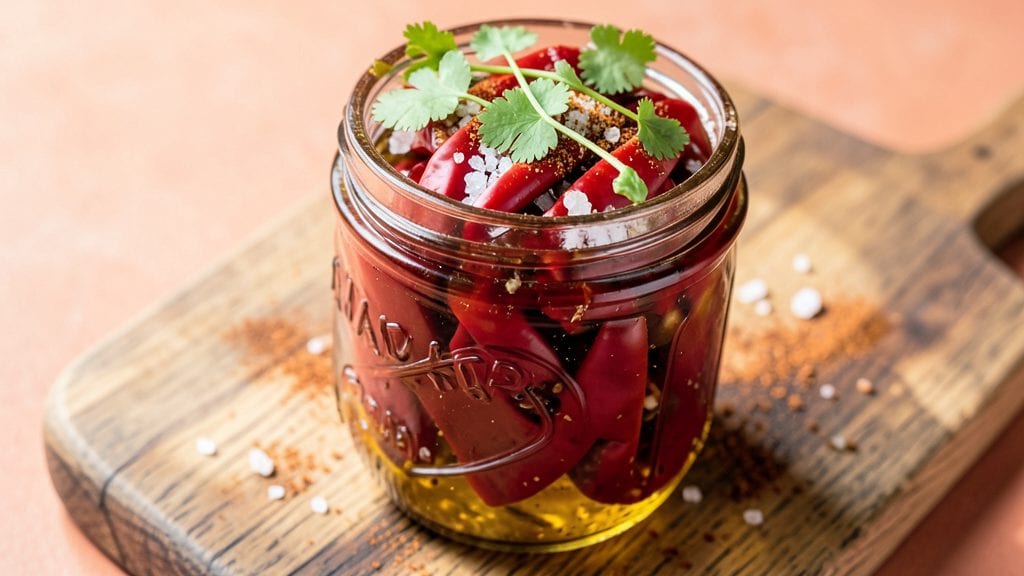
Creating fermented Tabasco sauce at home unlocks a smoky, complex flavor profile that store-bought versions simply can’t match. The process transforms raw peppers into a smooth, peppery condiment with depth and character—no artificial ingredients required.
My recipe focuses on balancing heat, acidity, and fermentation time for a sauce that’s versatile yet refined, perfect for drizzling over grilled meats or enhancing seafood dishes.
The foundation of this sauce lies in precise ingredient ratios: fresh peppers, non-iodized salt, and vinegar work together to preserve flavor while developing complexity over time. Unlike quick hot sauces, fermentation mellows the heat while intensifying the pepper’s natural sweetness and earthiness.
This method also ensures safety—proper fermentation prevents spoilage while building probiotic benefits, though vigilance is key during the aging process.
By the end, you’ll have a smooth, aromatic sauce with layers of smoky depth and a subtle tang that enhances any dish without overpowering it. The aging process transforms raw peppers into a velvety, balanced condiment that’s far more nuanced than commercial alternatives.
Whether you’re a home chef or a fermentation enthusiast, this recipe delivers professional-quality results with minimal effort.
Ready to elevate your pantry staples? The process is straightforward, but patience is essential—each week of aging refines the flavor further. Let’s get started on a sauce that will become your go-to for adding depth to everything from tacos to deviled eggs.
Ingredients for fermented tabasco sauce
Nine ingredients transform into a complex sauce with weeks of aging. No shortcuts—just pure pepper flavor.
| Ingredient | Amount | Notes |
|---|---|---|
| Fresh Red Cayenne Peppers 🌶️ | 1 lb | Seeds removed for milder heat |
| Non-Iodized Sea Salt 🧂 | ¼ cup | Diamond Crystal preferred |
| White Vinegar 💧 | 2 cups | Distilled white vinegar only |
| Granulated Garlic 🧄 | 2 tbsp | Fresh minced as alternative |
| Smoked Paprika 🌶️ | 1 tbsp | For authentic smoky depth |
| Fresh Cilantro Stems 🌿 | ½ cup | Chopped for herbal brightness |
| Onion Powder 🧅 | 1 tsp | Adds subtle sweetness |
| Distilled Water 💧 | 1 cup | For proper fermentation |
| Cane Sugar 🍯 | 1 tbsp | Feeds fermentation naturally |
| Black Peppercorns 🌶️ | ½ tsp | Lightly crushed for texture |
The peppers are the star—fresh red cayennes from a Latin market (or your grocery's produce section) give the best balance of heat and sweetness. Penzeys sells pre-seeded cayennes if you want convenience, but removing seeds yourself controls the heat level better. Salt is non-negotiable: Diamond Crystal kosher salt dissolves cleanly, unlike table salt. For vinegar, Heinz white vinegar is reliable, but avoid apple cider—it can introduce unwanted flavors. The smoked paprika? Trader Joe's carries a decent one, but Penzeys is worth it for that authentic smokiness. Cilantro stems add brightness without bitterness—use the leafy parts too if you're feeling generous.
No fresh peppers? Dried cayenne pods work in a pinch (soak first), but expect less complexity. Ran out of vinegar? Lemon juice at double the amount mimics the acidity, though fermentation will be faster. The granulated garlic is a time-saver—fresh minced works too, but toast it first in olive oil to deepen the flavor. No smoked paprika? Regular paprika plus a pinch of liquid smoke gets you close. For the sugar, raw cane sugar is ideal, but white granulated sugar works fine. The black peppercorns? Lightly crush them with a mortar and pestle or rolling pin for texture without overpowering.
This sauce needs time—at least 4 weeks for proper fermentation, but 6-8 weeks delivers restaurant-quality depth. Store in a sterilized glass jar with an airlock lid (or a regular lid with a rubber band and pin for ventilation). Keep at room temperature away from direct sunlight. Taste weekly: the heat mellows and complexity builds. Once ready, it keeps for up to 1 year in the fridge. I always make a double batch—one for immediate use, one to age longer.
Why You'll Love This Recipe
- No Chopping Needed: I just toss whole cayennes into the jar—no dicing, no fuss. The vinegar and salt do all the work while I sip my coffee.
- Smoky Garlic Heat: That first taste? The fermented peppers pack a slow-building burn, but the garlic and smoked paprika turn it into something complex—like a hug from a spicy, smoky campfire.
- Pantry Stash Gold: A few jars mean I’m always ready: drizzle on tacos, stir into soups, or slap it on grilled cheese. It’s my lazy-day secret weapon.
- Cheaper Than Store-Bought: For a fraction of the price, I get a sauce with real depth. No preservatives, no mystery ingredients—just cayenne, salt, and time. (Yes, even on a Tuesday night.)
Step-by-step instructions for fermented Tabasco sauce
Here's how to craft a balanced, complex sauce with vibrant pepper notes and smoky depth.
Prepare and Pack the Peppers
Remove stems and seeds from all 1 lb fresh red cayenne peppers, then slice them into ¼-inch rings. This size creates the perfect surface area for fermentation while keeping the texture intact. Place the sliced peppers in a clean, sterilized quart-sized mason jar, packing them tightly to remove air pockets. The goal is to create an anaerobic environment that promotes proper fermentation.
Press down firmly with a sterilized wooden spoon to ensure the peppers are submerged in their own juices. This initial packing prevents mold growth and helps develop the sauce's signature complexity. Leave about ½ inch of headspace at the top of the jar—this allows for expansion during fermentation.
Create the Fermentation Brine
In a separate bowl, combine the 0.25 cup non-iodized sea salt, 1 cup distilled water, 1 tbsp cane sugar, and 0.5 tsp lightly crushed black peppercorns. Stir until the salt and sugar dissolve completely, creating a clear brine solution. The sugar feeds the fermentation process while the salt preserves and enhances the pepper flavor.
Add the 2 tbsp granulated garlic and 1 tbsp smoked paprika to the brine and mix well. Pour this mixture over the packed peppers in the jar until completely submerged. The peppers should float slightly but remain mostly covered by liquid. Seal the jar tightly and let it sit at room temperature for 5 minutes to allow the brine to penetrate the peppers fully.
Initiate the Fermentation Process
Pour the 2 cups white vinegar into the jar, filling it to the top. The vinegar acts as a natural preservative while adding acidity that balances the pepper's heat. Seal the jar again and give it a final gentle shake to distribute all ingredients evenly. Place the jar in a dark, warm spot—around 70-75°F—where it can ferment undisturbed for 7-10 days. This temperature range promotes active fermentation without overheating.
Check the jar daily for any signs of mold or unusual odors. If you see mold developing on the surface, simply skim it off with a clean spoon. The fermentation process should produce a subtle effervescence and a developing pepper aroma. After 7 days, taste a small amount—you're looking for a tangy, slightly sweet pepper flavor without overwhelming heat.
Blend and Incorporate Herbal Elements
After the initial fermentation period, remove the peppers from the jar and transfer them to a blender. Add the 0.5 cup chopped fresh cilantro stems and 1 tsp onion powder to the blender along with the peppers. Pulse until you achieve a smooth, chunky sauce consistency—some texture is desirable for authentic Tabasco character. The cilantro adds herbal brightness while the onion powder contributes subtle sweetness.
Return the blended sauce to the jar and stir in any remaining liquid from the original fermentation. Seal the jar and let it ferment for an additional 3-5 days at room temperature. This secondary fermentation allows the flavors to meld and develop complexity. The sauce should now have a rich, peppery depth with balanced acidity and smokiness.
Age and Store for Maximum Flavor
Transfer the fermented sauce to clean, sterilized bottles or jars, leaving about ¼ inch of headspace at the top. Store in a cool, dark place for at least 2 weeks to allow the flavors to fully mature. The longer it ages, the more complex and balanced the sauce becomes—4-6 weeks yields exceptional depth. When ready to use, simply open and pour directly from the bottle.
This fermented Tabasco sauce delivers the authentic peppery depth you crave without the harsh heat burn of commercial versions. The smoky paprika and herbal cilantro create layers of flavor that make this sauce perfect for drizzling over tacos, enhancing seafood dishes, or adding complexity to cocktails. Each batch develops unique characteristics based on the peppers used and fermentation conditions—experiment to find your perfect balance.
Pro Tips For Making Fermented Tabasco Sauce
- STEAM THE PEPPERS: Drop whole cayennes into boiling water for 30 seconds first—this softens them enough to slice cleanly without losing seeds or pith. I used to hack through them raw and end up with a mess of uneven pieces and bitter stems. A quick blanch makes them yield better, and the flavor stays brighter.
- SALT THE GARLIC: Toss your minced garlic in a pinch of salt before adding it to the vinegar—this prevents clumping and lets the flavor meld faster. I learned this after scooping out garlic globs from my first batch. It’s a tiny step, but it makes the sauce smoother.
- FERMENT AT ROOM TEMP: Keep your jar in a spot between 70–75°F (21–24°C) for 3–5 days—no fridge needed. I tried fermenting in the fridge once, and it took twice as long to develop the tang. A dark pantry or warm kitchen corner works perfectly.
- STRAIN THE VINEGAR: Use a fine-mesh sieve to filter the vinegar before mixing—this removes sediment that can make the sauce cloudy. I skipped this once and ended up with a murky batch that looked unappetizing. Takes 30 seconds but makes a real difference.
Make-ahead tips for this recipe
Fermentation Timeline
Plan your schedule around the 4-6 week aging process—this is where the magic happens. I start by fermenting the peppers for 7-10 days at 70-75°F to develop initial flavor, then blend and ferment again for 3-5 days to meld ingredients.
After blending, transfer to sterilized bottles and age for at least 2 weeks in a cool, dark place. The longer you wait, the smoother and more complex the sauce becomes—6 weeks yields restaurant-quality depth. 📅
Batch Size Strategy
Make a double batch if possible—I always do. Use one jar for immediate use after 4 weeks of aging, and let the second ferment for 6-8 weeks to develop maximum complexity. Store both in sterilized glass jars with airtight lids.
Label each with the fermentation date so you can track progress. This ensures you always have fresh sauce available while allowing flavors to evolve over time.
Storage Solutions
For short-term storage (3-6 months), keep your fermented Tabasco in the refrigerator in sterilized glass jars with airtight lids. For long-term storage (up to 1 year), freeze in ice cube trays for single-serving portions or in quart-sized freezer bags with 1 inch of headspace.
Thaw overnight in the fridge before using—never microwave, as it can degrade the delicate flavors. ❄️
Flavor Development Tracking
Taste your sauce weekly starting after the initial 7-day fermentation. Note the changes: the heat should mellow while the pepper's sweetness and smokiness deepen. After blending, the sauce will taste sharper—this is normal. The flavors will soften and round out during the final 2-4 weeks of aging.
Keep a journal if you're experimenting with different pepper varieties or fermentation times—it’s fascinating to see how small changes affect the final product.
Safety First
Always use sterilized equipment to prevent contamination. I boil my jars, lids, and utensils for 10 minutes before use. Monitor for any signs of mold or off odors during fermentation—if you see mold, simply skim it off the surface (it won’t affect the sauce below).
Never taste if you detect foul smells like rotten eggs or ammonia. When in doubt, discard and start fresh. Safety is non-negotiable with fermented foods. 💡
Reusing Equipment
After fermentation, clean your equipment thoroughly with hot, soapy water and sanitize with a 1:10 vinegar-to-water solution. I reuse my fermentation jars for other projects like kimchi or sauerkraut. For the blender, run it with hot water and baking soda to remove any lingering pepper oils.
Store lids and utensils in a dry place to prevent rust. Proper cleanup ensures your next batch starts with a clean slate and reduces the risk of contamination. 🧼
Nutrition facts
Frequently asked questions
Why does my homemade fermented pepper sauce taste sharper than store-bought Tabasco?
Freshly blended fermented pepper sauce often tastes sharper because it hasn't had time to mellow through aging. Store-bought versions undergo extended processing to smooth out flavors. Let yours ferment for 4-6 weeks—the heat will soften while sweetness and depth develop. If you're impatient, blend in 1 tsp honey to round out the flavor immediately.
Can I use dried peppers instead of fresh for fermentation?
Yes, but expect less vibrant flavor. Soak ¼ cup dried cayenne pods in warm water for 30 minutes to rehydrate, then proceed with the recipe. The texture will be thicker, and you may need to adjust vinegar to 2.5 cups for proper balance. Fresh peppers create the authentic Tabasco profile, but dried works in a pinch.
How do I know if my fermented sauce has gone bad?
Watch for these red flags: foul odors (like rotten eggs or ammonia), excessive bubbling, or mold extending beyond the surface layer. If you see green, black, or fuzzy mold, discard immediately. Surface mold on fermented foods is often harmless if skimmed, but never risk it with peppers—their high moisture content makes them prone to deeper contamination. When in doubt, toss it!
What's the best way to adjust the heat level?
Remove pepper seeds before slicing for milder heat, or keep them for extra spice. For adjustments after blending, add 1 tbsp honey to mellow or ½ tsp cayenne powder to intensify. Pro tip: Blend in 1 tsp apple cider vinegar to enhance tanginess without extra heat. Always taste as you go—fermentation naturally reduces heat over time.
Can I make this sauce without vinegar?
Technically yes, but vinegar is crucial for preservation and acidity balance. Replace with 2.5 cups lemon juice (freshly squeezed) or 2 cups apple cider vinegar, but expect faster fermentation. The sauce will be less stable without vinegar's preservative properties—use within 2 weeks and store refrigerated. For authenticity, stick with white vinegar.