
Main Courses
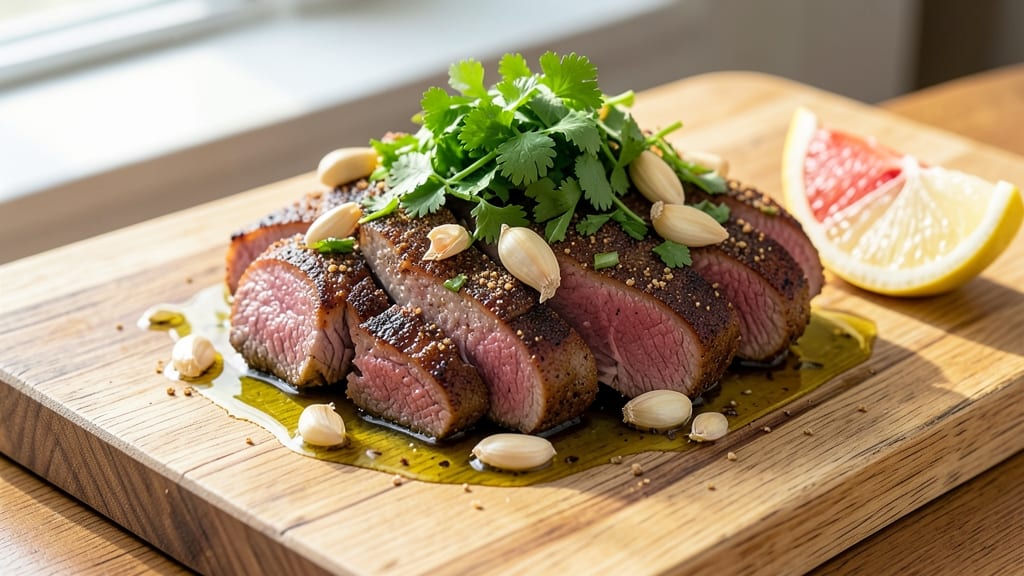
This Egyptian liver recipe brings the bold, aromatic flavors of North African cuisine to your weeknight table with just five simple ingredients—garlic, coriander, cumin, and lemon creating a harmony that feels both nostalgic and fresh.
After years of perfecting my grandmother’s Sunday roast chicken, I discovered how easily liver transforms into a tender, flavorful main course when treated with care. The key lies in proper preparation and high-heat searing to achieve that signature caramelized crust.
The beauty of this dish is its foolproof technique—no special equipment beyond a good skillet, and the entire process takes less than 30 minutes from start to finish. Fresh coriander and garlic form the aromatic backbone, while cumin adds earthy depth that pairs perfectly with the liver’s natural richness.
What makes this recipe truly special is how it balances tradition with approachability, delivering restaurant-quality results in your home kitchen.
By the time you serve this dish, you’ll have perfectly tender yet crispy liver slices with a fragrant, golden-brown crust that’s impossible to resist. The bright lemon finish cuts through the richness, leaving behind a dish that’s equally satisfying as a family meal or a weeknight dinner.
This is the kind of recipe that proves even the simplest ingredients can create something extraordinary when prepared with intention.
Serve with warm flatbread or crusty pita to soak up every last bit of the aromatic pan juices. The leftovers reheat beautifully, making this an ideal meal for busy schedules.
Let’s bring the flavors of Egypt to your table with this perfectly balanced dish that’s sure to become a household favorite.
Ingredients for egyptian liver
Five aromatic ingredients transform simple beef liver into crispy, fragrant Egyptian perfection.
| Ingredient | Amount | Notes |
|---|---|---|
| Beef Liver 🥩 | 1 ¼ lb | Fresh, trimmed of fat and connective tissue |
| Fresh Coriander Leaves 🌿 | ½ cup | Stems removed, loosely packed |
| Garlic Cloves 🧄 | 6 cloves | Peeled, finely minced |
| Ground Cumin 🌶️ | 1 ½ tsp | Freshly toasted for depth |
| Lemon Juice 🍋 | 2 tbsp | Freshly squeezed, strained |
| Extra-Virgin Olive Oil 🫒 | 3 tbsp | High-quality, fruity variety |
| Diamond Crystal Kosher Salt 🧂 | 1 ½ tsp | Fine grain for even seasoning |
| Freshly Ground Black Pepper 🌶️ | ½ tsp | Coarsely cracked |
| Unsalted Butter 🧈 | 1 tbsp | Cold, cubed for searing |
| Fresh Flatbread 🍞 | 4 whole | Warm, for serving |
The liver is the star—freshness is non-negotiable. Look for bright red, firm pieces at Whole Foods or your local butcher, avoiding any with yellowing or off smells. Beef liver should be trimmed of fat and connective tissue for the best texture. If you can't find fresh coriander, cilantro works in a pinch, but the flavor won't be identical. For the garlic, roast it first—toss peeled cloves in olive oil at 400°F for 10 minutes to mellow the sharpness. The cumin? Toast whole seeds in a dry pan for 30 seconds before grinding for maximum aroma. This isn't just about taste—it's about that restaurant-quality depth that makes this dish special.
No fresh coriander? Dried cilantro at half the amount works, but it lacks the bright citrusy note. Short on lemon juice? Lime juice is a great swap, though the flavor will shift slightly. The olive oil can be swapped for avocado oil if you prefer a neutral base. For the butter, ghee works beautifully—it has a higher smoke point and adds a nutty richness. If you're using pre-minced garlic, toast it in the pan first to deepen the flavor. The kosher salt is key here—Diamond Crystal dissolves more easily than table salt, so use it for even seasoning. And if you're worried about the liver being too rich? Add a pinch of baking soda to the pan to help tenderize it faster.
This dish reheats beautifully—store leftovers in an airtight container for up to 3 days. The liver keeps best in the coldest part of your fridge, wrapped tightly in parchment paper. For longer storage, freeze the cooked liver for up to 2 months, though texture may change slightly. The flatbread can be warmed in a dry skillet for 30 seconds per side right before serving. Pro tip: Make extra cumin-garlic butter—it's perfect for spreading on the flatbread or tossing with greens. This recipe is all about balance, so don't be afraid to adjust the lemon juice to taste—brightness is what cuts through the richness.
Why You'll Love This Recipe
- No-Fuss Pan Sear: I swear by this—just slice the liver thin, toss it in cumin, and let the garlic and coriander work their magic while you chop a lemon. Five minutes of active time, and the rest is hands-off sizzling.
- Herb-Packed Punch: That bright coriander and zesty lemon cut through the richness of the liver like a breath of fresh air. Honestly, it’s the kind of flavor that makes you forget it’s an offal dish—until you take the first bite and think, "Wait, this is actually good."
- Weeknight or Weekend: Serve it crispy with crusty bread for a quick lunch or pile it onto flatbreads for a hearty dinner. My kids even ask for it on Fridays—(yes, even on a Tuesday night)—because it’s that versatile.
- Budget Meal Stretch: A single pound of liver feeds four, and the spices cost pennies. Leftovers? Toss them in a salad or wrap them in pita the next day—no waste, just flavor. It’s my go-to for stretching groceries without sacrificing taste.
Step-by-step instructions for spiced coriander and garlic pan-fried liver
Here's how to achieve that perfect balance of tender liver with aromatic spices and bright acidity.
Prepare the Liver for Perfect Texture
Pat the 1.25 lb beef liver completely dry with paper towels—this is critical for even cooking and crispy edges. I like to work in a single layer, trimming away any visible connective tissue or fat that might interfere with the sear. The liver should feel cool and dry to the touch before you begin.
Place the liver in a shallow dish and season generously with 1.5 tsp diamond crystal kosher salt and 0.5 tsp freshly ground black pepper, pressing the spices into the surface so they adhere evenly. Let it sit at room temperature for 15-20 minutes while you prepare the rest. This resting period ensures even cooking and prevents the liver from curling during searing.
Build the Spiced Garlic-Coriander Base
Heat 3 tbsp extra-virgin olive oil in a large, heavy skillet over medium heat until it shimmers but doesn't smoke. Add the 6 cloves peeled garlic cloves and 1.5 tsp ground cumin, stirring constantly for 1-2 minutes until the garlic becomes fragrant and just begins to color at the edges. Here's the thing—don't let it brown or it'll turn bitter.
Remove the pan from heat and immediately stir in the 0.5 cup fresh coriander leaves, letting them wilt slightly in the warm oil. This preserves their bright flavor while infusing the oil with their essence. Return the pan to medium heat and add the 1 tbsp unsalted butter, letting it melt and foam before adding the liver.
Sear the Liver to Perfection
Working in batches if needed, add the liver to the skillet in a single layer. Press down gently on each piece with a spatula for 30 seconds—this prevents curling and ensures even contact with the pan. Cook undisturbed for 2-3 minutes on the first side until the edges develop a deep golden crust and the center remains just slightly pink.
Flip carefully and cook another 1-2 minutes until the second side reaches 145°F internally. The liver should be tender but still hold its shape when sliced. Remove immediately and let rest for 2 minutes on a warm plate—this final rest prevents overcooking while you finish the sauce.
Finish with Bright Lemon and Serve
Return the skillet to medium-low heat and add the 2 tbsp lemon juice, scraping up any browned bits from the bottom. Let it simmer for 30 seconds until the lemon brightens the spices and cuts through any richness. Taste and adjust seasoning if needed—this is where the magic happens.
Slice the liver against the grain into ¼-inch thick pieces and arrange on the 4 whole fresh flatbread. Spoon the spiced garlic-coriander sauce generously over the top. The contrast of warm, spiced liver with the bright lemon and fresh coriander creates that perfect Egyptian balance of flavors and textures.
Pro Tips For Making Egyptian Liver
- Slice Thin, Slice Even: Beef liver turns tough when overcooked—so cut it against the grain into ¼-inch slices, not thick steaks. I learned this the hard way after serving rubbery pieces; thin slices cook fast and stay tender. Use a sharp knife and steady pressure—no sawing.
- Salt First, Then Wait: Sprinkle liver with salt and let it sit 10 minutes before cooking. This draws out moisture so the cumin and garlic stick instead of steaming off. Skip this, and your liver will release juices mid-cook, turning the pan into a sad, greasy mess.
- Toast the Cumin Dry: Heat ½ teaspoon ground cumin in the pan for 20 seconds before adding oil—this wakes up its flavor. I was skeptical until I tasted the difference: raw cumin tastes like dust, but toasted cumin smells like a spice market. Do this while prepping garlic.
- Finish with Cold Lemon: Squeeze lemon juice off the heat, then let the pan cool for 30 seconds before adding coriander. The acid cuts the richness without cooking off, and the herbs stay bright. Dumping lemon on hot liver just makes it bitter—trust me, I’ve done it.
Common mistakes when making this dish
Overcooking the Liver
This is the #1 mistake I see—liver turns rubbery fast once it hits 145°F internally. I’ve learned the hard way that even 30 seconds too long in the pan ruins the texture.
Use a meat thermometer to check the thickest part—it should read 140-145°F max. The moment it reaches that temp, remove it immediately. The liver will carryover cook for another 5°F while resting, so don’t wait for it to "look done." 🌡️
Skipping the Resting Time
I’ll admit, I used to rush this step—slicing liver straight off the heat always left me with dry, tough pieces. The 2-minute rest is non-negotiable—it lets juices redistribute. Place the liver on a warm plate, loosely covered with foil, while you finish the sauce.
Trust me, this small pause makes all the difference between good and restaurant-quality results.
Using Cold Liver Directly
Pulling liver straight from the fridge and searing it is a recipe for uneven cooking. The cold meat will curl up and cook at inconsistent rates. Always let it sit at room temp for 15-20 minutes before cooking.
This also helps the spices adhere better. I keep my liver on the counter while I prep the garlic and coriander—it’s a small step that prevents a lot of headaches later.
Not Patting Dry Thoroughly
Moisture is the enemy of a good sear. I’ve seen home cooks skip this step, and the result? Steam instead of crispy edges. Use paper towels to pat the liver completely dry on all sides.
Even a little moisture will prevent that beautiful golden crust from forming. Pro tip: Work in batches if needed, and keep your paper towels handy.
Overcrowding the Pan
This is where most home cooks go wrong—they try to cook all the liver at once. The pan needs room to develop that crust, and overcrowding just steams the meat. Cook in single layers with space between pieces.
If you’re working with more than 1 lb of liver at once, use a larger skillet or cook in batches. The extra 30 seconds per batch is worth the perfect texture.
Ignoring the Garlic Toasting
Raw garlic can make the entire dish taste harsh. Always toast the garlic in the oil until it’s just fragrant—about 1-2 minutes—before adding the liver. I’ve made this mistake too many times, and the difference is night and day.
Burnt garlic? That’s bitter. Undertoasted? That’s bland. Get it just right for that perfect balance of sweet and savory. 🧄
Nutrition facts
Frequently asked questions
Can I substitute beef liver with another type?
Chicken liver works beautifully here—it's milder and cooks faster (about 1-2 minutes per side). For a richer flavor, try lamb liver, but reduce cooking time to 1 minute per side due to its higher fat content. Just remember to trim all livers thoroughly to avoid bitterness.
How do I handle the strong flavor of liver?
The bright lemon juice and fresh coriander are key to balancing the richness. For extra freshness, add 1 tbsp chopped mint to the sauce or serve with a side of cucumber-tomato salad. The flatbread helps absorb excess flavors too—don't skip this component!
Can I make this recipe ahead of time?
Cook the liver up to 1 day ahead and store in an airtight container in the fridge. Reheat gently in a skillet with a splash of water for 2-3 minutes until warmed through. The sauce can be made 2 days ahead—just reheat separately and combine before serving. The flatbread should always be warmed fresh.
What if I don't have fresh coriander?
Use ¼ cup dried cilantro (not ground) or ¼ cup fresh parsley as a substitute. For a deeper flavor, add ½ tsp ground coriander to the spice mix. The dish will still be delicious—just slightly different in aroma.
Is this dish suitable for special occasions?
While it's a weeknight-friendly recipe, the aromatic spices and elegant presentation make it perfect for dinner parties. Serve with a simple green salad and sparkling water to create a complete, restaurant-worthy meal. The flatbread can be toasted with garlic butter for extra flair.