
Side Dishes
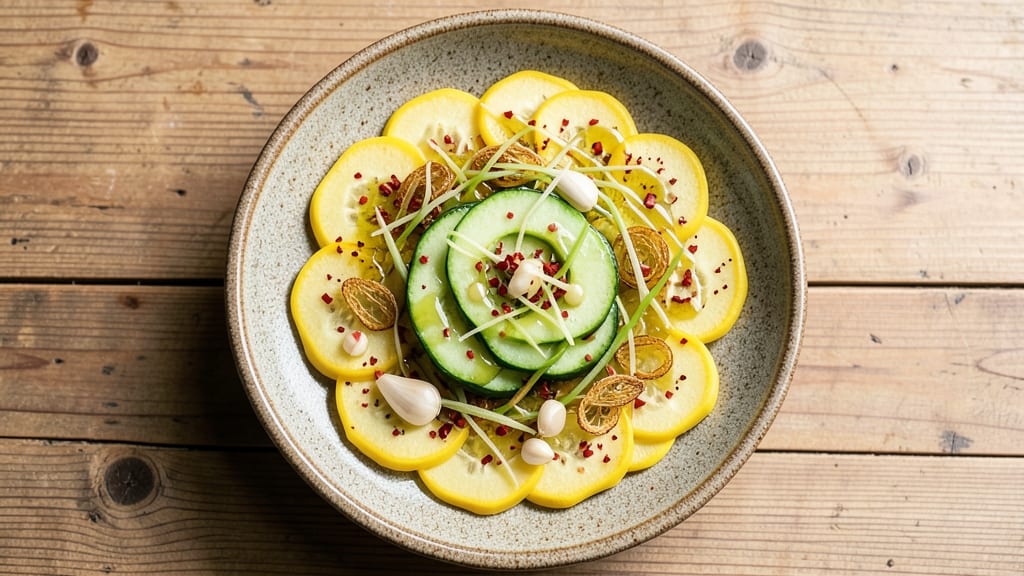
This cucumber zucchini squash recipe transforms summer's freshest produce into a lightning-fast stir-fry that balances crisp-tender textures and bright, herby flavors in just 20 minutes.
The secret lies in quick-cooking techniques that preserve the vegetables' natural sweetness while adding depth with garlic, lemon, and a touch of chili for warmth—no complicated steps required.
I developed this dish during a particularly hot July when I wanted something refreshing yet satisfying that didn't require hours in the kitchen.
The magic happens in the stir-fry itself: thinly sliced squash and cucumber hit the pan at high heat, where they develop a satisfying caramelized edge while staying tender inside.
A splash of rice vinegar brightens the dish, cutting through the natural sweetness, while fresh herbs like basil or mint add a finishing touch that makes it taste like summer in every bite. This recipe proves that vegetarian meals can be just as bold and flavorful as their meat-based counterparts.
What you'll end up with is a vibrant, crisp-tender stir-fry that's perfect as a standalone meal or a side to complement grilled proteins. The vegetables retain their natural colors and textures, creating a visually appealing dish that's just as delicious to look at as it is to eat.
The flavors are balanced—sweet, tangy, and slightly spicy—with just enough acidity to keep things interesting.
Whether you're prepping for a summer potluck or simply craving something fresh and quick, this recipe delivers restaurant-quality results with minimal effort. The technique is simple enough for beginners but refined enough to impress even experienced home cooks.
Let's get started on this lightning-fast summer stir-fry that's sure to become a go-to for warm-weather dining.
Ingredients for cucumber squash
Fresh summer veggies, bold flavors, and a quick sear for restaurant-quality bites in minutes.
| Ingredient | Amount | Notes |
|---|---|---|
| Yellow Squash 🍆 | 1 ½ lb | Medium-sized, thinly sliced lengthwise |
| Cucumber 🥒 | 1 whole | English or Persian, thinly sliced |
| Garlic Cloves 🧄 | 4 cloves | Minced, fresh preferred |
| Fresh Ginger 🌿 | 1 ½ tbsp | Grated, freshly grated preferred |
| Red Chili Flakes 🌶️ | ½ tsp | Adjust for heat preference |
| Extra-Virgin Olive Oil 🫒 | 2 tbsp | High quality, fruity |
| Rice Vinegar 🍶 | 2 tbsp | Seasoned preferred |
| Sesame Oil 🫒 | 1 tsp | Toasted, for finishing |
| Fresh Basil Leaves 🌿 | ¼ cup | Chopped, stems removed |
| Lemon Juice 🍋 | 1 ½ tbsp | Freshly squeezed |
| Diamond Crystal Kosher Salt 🧂 | ½ tsp | Fine grain preferred |
| Black Pepper 🌶️ | ¼ tsp | Freshly ground preferred |
| Toasted Sesame Seeds 🌾 | 1 tbsp | For garnish |
| Vegetable Oil 🫒 | 1 ½ tbsp | High smoke point |
The squash and cucumber are the stars here—look for firm, vibrant produce with smooth skins. Local farmers markets often have the freshest selections, but any grocery store's produce section works. The squash should be medium-sized (about 1.5 lbs), not too large or fibrous. For cucumbers, English or Persian varieties hold up best to slicing. If you're short on time, pre-slicing the veggies with a mandoline saves minutes (just watch your fingers!). The garlic and ginger? Fresh is non-negotiable—dried won't give you that bright, zesty punch. I usually grab mine from the bulk bins at Whole Foods or Trader Joe's—cheaper and fresher than pre-minced jars.
No rice vinegar? Apple cider vinegar or white wine vinegar works in a pinch, though the flavor will be slightly different. Running out of sesame oil? Toasted walnut oil or avocado oil keeps the toasted nutty note. Fresh basil is ideal, but fresh parsley or mint at half the amount gets you close. The chili flakes can be swapped for fresh red chili or a dash of sriracha—just remember, it's easy to add more heat than you need. For the olive oil, any extra-virgin variety works, but avoid the cheap stuff—you'll taste the difference in every bite. Prefer your stir-fry less spicy? Skip the chili flakes entirely and add a pinch of sugar instead.
This stir-fry shines best when served immediately, but it keeps for 2-3 hours in the fridge if stored in an airtight container. The flavors actually meld better the next day, making it perfect for meal prep. I like to portion mine into small containers for easy lunches—just reheat in a skillet with a splash of water to keep things crisp. For extra crunch, add the sesame seeds right before serving. Freezes beautifully for up to 3 months, though the texture might soften slightly. The lemon juice and vinegar keep the veggies fresh longer, so don't skip those even if you're prepping ahead.
Why You'll Love This Recipe
- One-Pan Magic: I swear by this—just toss everything into one skillet, let the garlic and ginger sizzle, and walk away. No chopping boards to clean, no extra pots, and the squash and cucumber melt into that perfect tender-crisp texture without fuss.
- Spicy-Sweet Balance: The red chili flakes add a little kick, but the fresh ginger and garlic make it sing—bright, zesty, and just sweet enough from the squash. It’s the kind of flavor that sticks with you, even after the last bite.
- Lunchbox Hero: Between us, this is my go-to for packed lunches. Cool it down, toss in some rice or naan, and it stays fresh for days. Honestly, my coworkers have been asking for the recipe for weeks now.
- Budget Brightener: Yellow squash and cucumbers are dirt cheap, and a few garlic cloves and ginger stretch this into a whole meal. I’ve fed four people for under $10, and they always ask for seconds—proof it’s a winner without breaking the bank.
Step-by-step instructions for crisp-tender cucumber and yellow squash stir-fry
This lightning-fast stir-fry delivers perfect texture in minutes—crisp edges on tender centers every time.
Prep and Blanch the Vegetables for Perfect Texture
Cut the 1.5 lb yellow squash into ¼-inch thick half-moons and the 1 whole cucumber into ½-inch thick half-moons. Place both in a large bowl of ice water to prevent browning while you prep the aromatics. This chilled water bath also helps maintain their crispness during cooking.
In a separate bowl, mix the 4 cloves minced garlic, 1.5 tbsp freshly grated ginger, 0.5 tsp red chili flakes, 0.5 tsp diamond crystal kosher salt, and 0.25 tsp freshly ground black pepper. The ginger and garlic should be finely minced—you want them to dissolve into the dish rather than remain as distinct pieces. Let this mixture sit while you heat your pan.
Heat 1.5 tbsp vegetable oil in a large skillet over medium-high heat until shimmering. Add the squash and cucumber in a single layer, leaving space between pieces. Cook undisturbed for 2-3 minutes until the edges begin to blanch and turn slightly translucent. This initial sear creates that perfect crisp-tender texture we're after. Flip the vegetables and cook another 1-2 minutes until they're just tender but still holding their shape.
Build the Flavor Base with Aromatics and Vinegar
Remove the vegetables from the pan and set aside. In the same skillet (no need to wipe it clean—those caramelized bits are flavor gold), add 2 tbsp extra-virgin olive oil and swirl to coat. Increase heat to medium-high and add the garlic-ginger mixture. Cook for 30-45 seconds until fragrant—you should smell that bright, fresh aroma wafting up. Be careful not to let it burn; garlic turns bitter in seconds.
Pour in the 2 tbsp rice vinegar and 1.5 tbsp freshly squeezed lemon juice. The vinegar will immediately deglaze the pan, creating a glossy, tangy sauce. Let it simmer for 1 minute until slightly reduced. This step balances the dish with bright acidity that cuts through the richness of the oil and freshness of the vegetables.
Return the vegetables to the pan and toss everything together. Cook for another 1-2 minutes just to meld the flavors. The vegetables should be heated through but still maintain that perfect crisp-tender bite. If they feel too soft, they've overcooked—this dish relies on that contrast between crisp edges and tender centers.
Finish with Fresh Herbs and Toasted Sesame Seeds
Remove the pan from heat and stir in the 0.25 cup chopped fresh basil leaves. The basil adds a bright, herbal note that complements the ginger and garlic beautifully. Let the basil wilt slightly into the mixture—just enough to integrate its flavor without making it look like a salad.
Drizzle in 1 tsp toasted sesame oil and sprinkle with 1 tbsp toasted sesame seeds. The sesame oil adds a nutty depth, while the seeds provide both texture and visual appeal. Taste and adjust seasoning if needed—you might want to add a pinch more salt or a splash of rice vinegar for balance. This is where you fine-tune the dish to your personal preference.
Serve immediately while the vegetables are still crisp-tender. The dish should be vibrant, with bright colors from the cucumber and squash, and a perfect balance of fresh, tangy, and slightly spicy flavors. The contrast between the crisp edges and tender centers is what makes this dish so satisfying—don't let it sit too long or you'll lose that texture.
Pro Tips For Making Cucumber Squash
- CHAR THE GINGER: Cut it thin—like paper slices, not matchsticks. Thick pieces burn before they soften, and you’ll end up with bitter, chewy bits instead of that bright, aromatic punch the recipe needs. I used to rush this, and my dish always tasted like I’d microwaved the ginger instead of cooking it.
- SALT THE VEGETABLES FIRST: Toss sliced squash and cucumber with 1 teaspoon of salt (yes, even if they’re fresh) and let them sit for 10 minutes. This draws out excess water so they crisp up properly when cooked—no more sad, soggy piles. I learned this the hard way after making a batch that tasted like it had been boiled.
- SAUTÉ IN BATCHES: Don’t overcrowd the pan. Yellow squash and cucumbers release a surprising amount of liquid, and if you dump them all in at once, you’ll steam them instead of searing. Work in 2-3 batches for 3-4 minutes per batch until golden—this guarantees caramelization, not mush.
- FINISH WITH GARLIC: Add the minced garlic and chili flakes after the squash and cucumbers are already cooked, just for 30 seconds. Raw garlic burns easily, and if you toss it in too early, it turns bitter. This way, it sizzles and infuses without taking over the dish. (Trust me, I’ve ruined enough batches to know.)
Creative variations of these flavors
Asian-Inspired Fusion
Turn this stir-fry into a Thai-inspired dish by swapping rice vinegar for 2 tbsp coconut aminos and adding 1 tbsp fish sauce (or soy sauce for vegetarian). Toss in 1 tbsp minced Thai basil and top with crushed peanuts for texture.
The umami depth from coconut aminos elevates the dish to restaurant-quality in minutes. 🌶️
Mediterranean Twist
For a Greek-inspired version, replace the sesame oil with 1 tbsp extra-virgin olive oil and add ½ tsp dried oregano to the garlic-ginger mixture. Finish with ¼ cup crumbled feta cheese and a sprinkle of kalamata olives for briny contrast.
The lemon and olive oil create a bright, tangy profile perfect for summer. 🍋
Spicy Cajun Kick
Add 1 tsp smoked paprika and ½ tsp cayenne pepper to the garlic-ginger mix for a Louisiana-inspired heat. Deglaze with 1 tbsp apple cider vinegar instead of rice vinegar, and finish with chopped green onions and a dash of hot sauce.
Serve over cooked quinoa for a heartier meal. The smoky-spicy notes make this a crowd-pleaser. 🔥
Herb-Forward Italian
Swap the basil for ½ cup chopped parsley and ¼ cup chopped mint, and add 2 tbsp sun-dried tomatoes (chopped) to the pan. Use white balsamic vinegar instead of rice vinegar for a sweeter acidity.
Finish with a sprinkle of grated Parmesan cheese for a Mediterranean-inspired twist. The herbs add a fresh, aromatic depth. 🌿
Sweet and Tangy Glazed
Caramelize the squash and cucumber first with 1 tbsp honey and 1 tbsp soy sauce before adding the garlic-ginger mix. The sweetness balances the tangy rice vinegar beautifully. Garnish with toasted coconut flakes for a tropical touch. This variation works especially well with Persian cucumbers for extra sweetness. ✨
Protein-Packed Add-Ins
Boost this dish into a full meal by adding ½ lb shrimp or chickpeas (for vegetarian). Toss the shrimp in 1 tsp cornstarch before cooking to keep them crispy.
For chickpeas, add them with the vegetables and cook until heated through. The protein adds heartiness while keeping the dish light and fresh. 💪
Nutrition facts
Frequently asked questions
Can I use other types of squash instead of yellow squash?
Zucchini works perfectly as a 1:1 substitute—it has similar texture and flavor. For a nuttier taste, try butternut squash (peeled and cubed), though it requires 5-7 minutes of cooking time to soften. Avoid dense winter squashes like acorn—they won't achieve that crisp-tender texture.
How do I prevent the cucumbers from getting soggy?
Pat them completely dry with a kitchen towel before slicing, then toss with ½ tsp salt for 10 minutes to draw out excess moisture. For extra insurance, add cucumbers to the pan 30 seconds after the squash—this ensures they cook just enough to soften without turning mushy.
What if I don't have sesame oil or seeds?
No problem! Swap sesame oil for toasted walnut oil or avocado oil (1 tsp each). For seeds, try toasted pumpkin seeds or crushed pistachios for a different nutty crunch. The dish will still taste amazing—just the texture changes slightly.
Can I make this ahead of time?
Yes, but with a twist: store the cooked vegetables separately from the sauce in an airtight container. Reheat the veggies in a dry pan for 2-3 minutes, then toss with the sauce and fresh herbs. The flavors meld beautifully overnight, but the texture won't be as crisp. For best results, assemble fresh and serve immediately.
Is this dish gluten-free?
Naturally gluten-free! Just double-check your rice vinegar and sesame oil labels—some brands process in facilities with gluten. For extra caution, use tamari (gluten-free soy sauce) if adding protein. The original recipe is completely safe for gluten-sensitive diets.