Main Courses
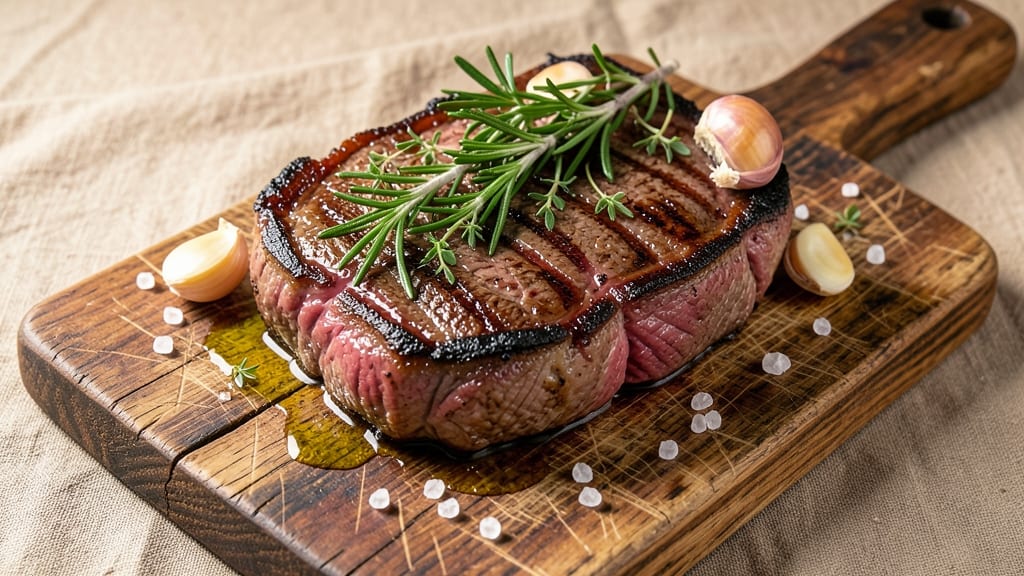
This caveman steak recipe delivers the primal satisfaction of a perfectly cooked steak with a charred crust and juicy pink center—just like our ancestors might have enjoyed over an open flame.
The beauty lies in its simplicity: a single cut of meat, a touch of salt, and the power of direct heat to transform a simple ingredient into something extraordinary. I developed this method after years of experimenting with minimalist cooking techniques that honor the essence of raw ingredients.
What sets this recipe apart is the focus on authentic primal cooking—no marinades, no complicated sauces, just high-heat searing that creates a flavorful crust while keeping the inside tender and juicy.
The key is using a thick-cut steak, like ribeye or New York strip, and cooking it over an open flame or cast-iron skillet until it reaches your desired doneness. This method ensures every bite is packed with flavor and texture.
The result is a steak that’s restaurant-quality without the fuss—crispy on the outside, tender and juicy within, with a smoky char that’s impossible to resist. Serve it with roasted roots or charred vegetables for a true caveman-style meal, or enjoy it as-is for a satisfying, no-frills dinner.
This recipe is all about reconnecting with the basics and savoring the natural flavors of meat.
Whether you're cooking over a campfire, grill, or stovetop, this method delivers consistent results. The simplicity of the technique makes it foolproof, while the bold flavors ensure it’s a standout dish. Let’s get cooking—your primal feast awaits.
Ingredients for caveman steak
Four primal ingredients transform into a steak with restaurant-quality char and juicy pink centers.
| Ingredient | Amount | Notes |
|---|---|---|
| Ribeye Steak 🥩 | 1 ½ lb | Thick-cut, bone-in preferred |
| Diamond Crystal Kosher Salt 🧂 | 1 ½ tsp | Coarse grain for crust formation |
| Extra-Virgin Olive Oil 🫒 | 2 tbsp | High smoke point for searing |
| Fresh Rosemary Sprigs 🌿 | 2 whole | Woodsy aroma, stems removed |
| Fresh Thyme Sprigs 🍃 | 2 whole | Earthy notes, stems removed |
| Garlic Cloves 🧄 | 4 cloves | Crushed for aromatic infusion |
| Black Peppercorns 🌶️ | 1 tbsp | Freshly cracked for intensity |
| Cast-Iron Skillet 🍳 | 1 whole | Seasoned, preheated until smoking |
| Butter 🧈 | 2 tbsp | Unsalted, cold for basting |
| Charcoal Briquettes 🔥 | 1 lb | For open flame finish (optional) |
The ribeye is non-negotiable here—thick-cut, bone-in delivers the best flavor and texture. Source from a reputable butcher like Snake River Farms or your local specialty shop for optimal marbling. Look for vibrant red color and visible fat cap; avoid steaks with grayish hues or excessive lean. If using New York strip, trim excess fat to ¼-inch thickness—this ensures even searing without overcooking. Let the steak sit at room temperature for 30-45 minutes before cooking to promote even heat distribution. The cast-iron skillet should be preheated until it’s nearly smoking hot—this is critical for that primal char.
No fresh rosemary? Dried works at one-third the amount, but the aroma is vastly superior. Short on garlic? Garlic powder at half the quantity suffices, though fresh is ideal. Substituting butter with ghee eliminates milk solids that can burn, though the flavor will differ slightly. For an open flame finish, charcoal briquettes are preferred over gas—wood chips add smoky depth. If cooking on a grill, use hardwood charcoal (hickory or oak) for authentic caveman-style flavor. The olive oil should have a high smoke point—avoid extra-light varieties that lack flavor. For extra crust development, sprinkle flaky sea salt directly over the searing steak during the last minute of cooking.
Steaks maintain peak tenderness for 4-6 hours post-cooking—slice against the grain for optimal texture. Store leftovers in an airtight container with parchment paper between slices to prevent sticking. Reheat gently in the oven at 200°F for 10-15 minutes to preserve moisture. For best results, cook steaks same-day serving—the primal flavors degrade after 24 hours. If prepping ahead, vacuum-seal the steaks and refrigerate for up to 3 days before cooking. The cast-iron skillet should be re-seasoned after each use to maintain its non-stick properties for future primal feasts.
Why You'll Love This Recipe
- Four-Ingredient Magic: I swear, this recipe is the closest thing to a "dump and cook" meal without sacrificing flavor. Just steak, salt, oil, and herbs—no fancy marinades or last-minute prep. Honestly, I’ve made it while waiting for takeout to arrive.
- Crispy-Soft Perfection: That first bite? The salt crust cracks open to reveal a juicy, tender ribeye—like biting into a campfire steak but with zero effort. The rosemary and thyme stay bright, not overpowering, just enough to make it taste like a restaurant dish.
- Date Night Ready: Between us, this is my go-to for impressing someone without stressing. No one needs to know it took me 15 minutes to throw together. Serve it with a simple salad or crusty bread, and suddenly you’re hosting a low-key fancy dinner.
- Leftovers That Don’t Suck: Cold steak sandwiches? Yes, please. The flavor actually improves the next day—no dry, sad meat here. I’ll slice it thin, toss it in a wrap with mustard, and suddenly lunch is sorted. (Yes, even on a Tuesday night.)
Step-by-step instructions for charred crust with juicy pink centers
This method delivers restaurant-quality results with minimal effort—focus on technique, not timing.
Prepare the Steak for Maximum Flavor Development
Remove the ribeye steak from the refrigerator and let it sit at room temperature for 45-60 minutes before cooking. This crucial step ensures even cooking throughout the thick cut. While it acclimates, prepare your herb blend by finely chopping the 2 whole fresh rosemary sprigs and 2 whole fresh thyme sprigs, discarding the woody stems. Crush the 4 cloves garlic and coarsely grind the 1 tablespoon black peppercorns using a mortar and pestle or spice grinder.
In a small bowl, combine the crushed garlic, ground peppercorns, chopped herbs, and 1.5 teaspoons diamond crystal kosher salt. The coarse texture of the kosher salt will create that signature crust while allowing moisture to escape, creating steam that keeps the interior juicy. Rub this mixture evenly over all surfaces of the steak, pressing firmly to ensure adherence. The herb crust will add layers of aromatic complexity that elevate the natural beef flavor.
Create the Perfect Searing Environment
Place the cast-iron skillet over high heat until it's smoking hot—this should take about 5 minutes. Add 2 tablespoons extra-virgin olive oil and swirl to coat the bottom evenly. The high smoke point of extra-virgin olive oil ensures it won't break down during the intense searing. While the oil heats, position your charcoal briquettes in a chimney starter or grill—light them and let them burn until they're covered with a thin layer of white ash, which indicates they're ready for cooking.
Here's where precision matters: when the oil shimmers and small bubbles form around the edges, it's ready. The steak should sizzle vigorously when it touches the pan, creating that coveted crust. If the oil isn't hot enough, you'll steam the steak instead of searing it. This is the moment that determines whether your steak will have a delicate crust or a tough exterior.
Sear to Develop Crust and Build Flavor
Carefully place the seasoned steak into the hot skillet, using tongs to position it away from you to avoid oil splatter. Let it sear undisturbed for 4-5 minutes until a deep brown crust forms on the first side. You'll see the edges begin to curl slightly—this is normal and indicates proper crust formation. Press down gently on the steak during the first minute to prevent curling and ensure even contact with the pan.
Flip the steak and add the 2 tablespoons cold butter to the pan. The butter will foam and bubble as it melts, basting the steak with flavorful, clarified butter. This creates a protective layer that enhances moisture retention while adding rich, nutty notes. Continue cooking for another 3-4 minutes until the second side reaches a similar crust level. The butter should be golden and aromatic, signaling it's done contributing to the flavor profile.
Finish with Charcoal for Caveman Crust
For that authentic "caveman" char, transfer the steak to the prepared charcoal grill or place it directly over the hot briquettes in a grill pan. The direct flame exposure creates those prized char marks and adds a smoky depth that complements the herb crust. Cook for 1-2 minutes per side, watching closely to avoid overcooking. You're aiming for medium-rare with a 130-135°F internal temperature—use an instant-read thermometer to verify.
The charred crust should be dark and slightly blistered in spots, while the interior remains vibrant pink with just a hint of red at the center. This temperature range ensures maximum juiciness while maintaining that satisfying contrast between the crisp exterior and tender interior. If you don't have charcoal, a broiler set to high for 2-3 minutes will work as an alternative.
Rest and Slice for Optimal Texture
Transfer the steak to a cutting board and let it rest for 8-10 minutes before slicing. This resting period allows the juices to redistribute throughout the muscle fibers, preventing them from pooling on your plate. During this time, tent the steak loosely with aluminum foil to keep it warm. The crust will firm up slightly as it cools, making it easier to handle and serve.
Slice the steak against the grain into ½-inch thick portions. The grain direction will be visible as subtle lines running through the meat. Each slice should reveal that perfect contrast: a dark, charred crust on the outside and a juicy, pink center that yields slightly when pressed. Serve immediately with any accumulated pan juices spooned over the top—these contain concentrated flavor from the searing process that you don't want to miss.
Pro Tips For Making Caveman Steak
- CRANK THE HEAT: Start your cast-iron or heavy pan screaming hot—like, blue-flame-on-gas-stove hot—before the steak hits the oil. I used to play it safe with medium-high, and the crust never got that deep, crackly char that makes caveman steak worth the name. The oil should shimmer and pop when you toss in the herbs first.
- SALT THE HERBS: Lightly crush the rosemary and thyme sprigs between your palms, then sprinkle them with a pinch of kosher salt before adding to the oil. This releases their oils faster and sticks them to the steak’s surface like glue—no more floating sprigs that turn to mush. (Yes, even if you’re impatient like me.)
- SKIP THE CROWDED PAN: Don’t stack or overlap steaks—cook them one at a time in the same oil, even if it means two batches. I learned this the hard way when my second steak turned into a sad, greasy mess because the first one stole all the heat. Space matters more than you think.
- REST UNDER FOIL: After searing, transfer the steak to a plate, tent loosely with foil, and let it sit for a solid 5–10 minutes—no peeking. I was skeptical until I tried it: the juices redistribute instead of pooling out when you cut in. (Your future self will thank you.)
Make-ahead tips for caveman steak
Prep Ahead for Perfection
Season your steak up to 24 hours in advance and store it in an airtight container in the fridge. The salt and herbs will penetrate deeper, enhancing flavor without overpowering the meat.
I like to wrap the steak in plastic wrap and place it on a tray to catch any drips—this keeps your fridge clean and prevents cross-contamination. 💡
Charcoal Prep in Advance
Light your charcoal briquettes 30 minutes before cooking to ensure they reach optimal heat. Store them in a metal container with a lid to maintain heat and prevent ash from spreading.
For extra convenience, pre-mix your charcoal with wood chips (like hickory or oak) in a chimney starter—this adds smoky depth without extra effort. Just be sure to discard any unused charcoal after cooking to avoid contamination.
Steak Temperature Control
Use a meat thermometer to check your steak's internal temperature while it rests. For medium-rare, aim for 130-135°F.
If prepping ahead, cook your steak to 120°F internal temp (rare) and refrigerate uncovered on a wire rack—this prevents moisture buildup and keeps the surface dry for better crust formation when reheated. 🌡️
Portioning for Leftovers
Slice your steak immediately after cooking and store individual portions in quart-sized freezer bags with parchment paper between slices. Label each bag with the date and reheat directly from frozen in a cast-iron skillet over medium heat for 3-4 minutes per side.
This preserves the crust while gently warming the interior. For best results, consume within 3 days of cooking.
Herb Freshness Tips
If using fresh herbs, store them in a glass jar filled with water (like flowers) and cover loosely with plastic wrap. This keeps them crisp for up to 5 days in the fridge.
For dried herbs, measure and store in a small airtight container away from light—this maintains potency for 6 months. I always double-check herb freshness before prepping to ensure maximum flavor impact.
Reheating Without Ruining Texture
For a quick reheat, place steak slices in a hot cast-iron skillet with 1 teaspoon butter per slice. Cover and heat on medium-low for 2-3 minutes**—just enough to warm through without overcooking.
The residual crust will crisp slightly, restoring that restaurant-quality texture. Avoid microwaving, as it turns steak rubbery and dulls the char. ✨
Nutrition facts
Frequently asked questions
What makes this a true "caveman" steak?
The primal approach focuses on three key elements: minimal seasoning (just salt and herbs), direct flame cooking (charcoal or cast-iron searing), and no marinades or sauces. This mimics how early humans would have prepared meat—simple, smoky, and intensely flavorful from the cooking process itself. The charred crust and juicy pink center recreate that authentic wild-caught experience.
Can I use this method with other steak cuts?
While ribeye works best for its marbling, New York strip and filet mignon also deliver excellent results. For leaner cuts like sirloin, increase the butter basting to prevent drying. The key is thick-cut steaks (1.5" minimum)—they hold up better to high-heat searing while staying juicy inside. Never use pre-cut steak slices from the grocery store's deli counter.
Why does my steak turn out tough?
Overcooking is the #1 cause. Use a meat thermometer and aim for 130-135°F (medium-rare) for perfect tenderness. Another culprit is not resting the steak—always let it rest 8-10 minutes before slicing. For extra insurance, pat the steak dry with paper towels before seasoning to promote better crust formation. The salt should be coarse kosher, not table salt.
What's the best way to serve this caveman-style?
Embrace the primitive presentation! Serve on a bed of charred vegetables (like onions or mushrooms) or directly on a wooden cutting board. For authenticity, eat with your hands—no plates or utensils needed. Pair with roasted root vegetables (carrots, potatoes) or a simple berry compote to balance the richness. The key is keeping it rustic and unrefined.
Can I make this on an electric stove?
Yes, but you'll need to preheat your cast-iron skillet until smoking hot—this mimics open-flame cooking. For the charcoal finish, use a grill pan with high heat or place the seared steak under a broiler for 2-3 minutes to create char marks. The electric coil should be set to maximum heat for at least 5 minutes before adding oil.