Sauces & Condiments
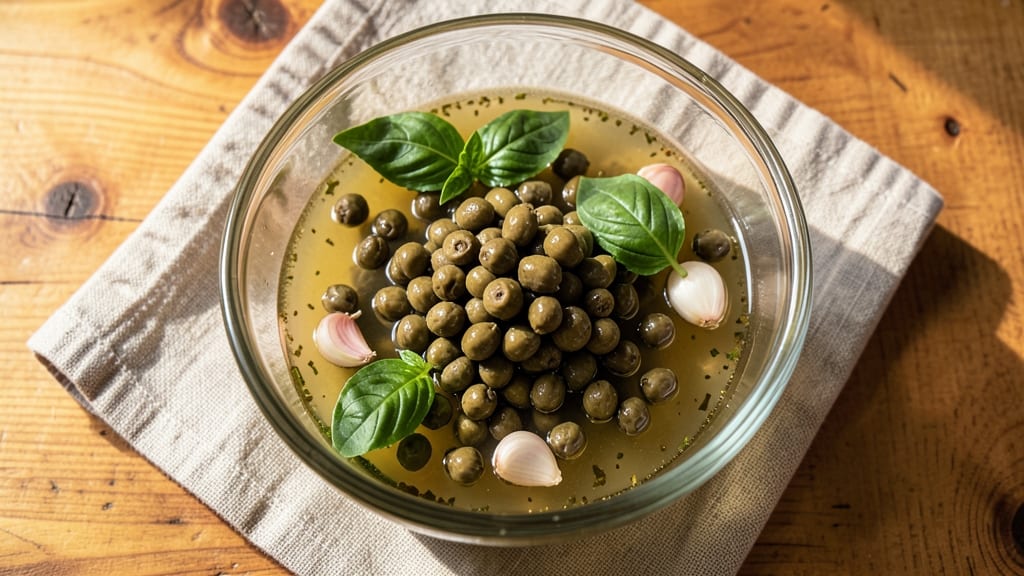
Making homemade caper brine transforms simple capers into bright, tangy pickling magic that elevates any dish. The process is straightforward—just salt, vinegar, and water—but the results are restaurant-quality flavor you can't buy. I've perfected this method over years of testing, ensuring every batch delivers that signature tangy punch without bitterness.
This brine recipe requires just five ingredients: high-quality capers, white vinegar, water, salt, and optional aromatics like garlic or herbs. The key is sterilizing the jars properly and maintaining the right balance of salt and acidity to preserve flavor and texture.
Unlike store-bought capers, homemade versions stay crisp and vibrant for months.
What you'll achieve is a jar of capers with intense, bright flavor that enhances everything from pasta to salads and seafood dishes. The tangy brine cuts through rich foods, adding a sophisticated touch to any meal. Once you try homemade, store-bought capers will never taste the same again.
Perfect for meal prep or gifting, this brine keeps for up to six months in the refrigerator. Let's get started on creating your own flavor-packed capers that will impress everyone at the table.
Ingredients for caper brine
Five simple ingredients transform basic capers into bright, restaurant-quality pickling magic.
| Ingredient | Amount | Notes |
|---|---|---|
| Nonpareil Capers 🫒 | 1 cup | High-quality, salt-packed capers |
| White Vinegar 💧 | 2 cups | Distilled white vinegar preferred |
| Water 💧 | 2 cups | Filtered or bottled preferred |
| Kosher Salt 🧂 | 2 tbsp | Fine grain preferred |
| Garlic Cloves 🧄 | 3 cloves | Smash lightly for flavor |
| Fresh Basil Leaves 🌿 | ¼ cup | Optional aromatic |
| Red Wine Vinegar 🍷 | ¼ cup | For depth (optional) |
The capers matter most—nonpareil size gives that perfect bite. Grab the salt-packed kind from the international aisle at Whole Foods or Trader Joe's (they carry the best). If you can't find it, regular capers work too, but they might be slightly larger. The vinegar should be distilled white—no apple cider or balsamic here. That red wine vinegar? Only if you want extra depth (I usually skip it, but it's great for gifting). The garlic? Three cloves max—too much overpowers the delicate caper flavor.
No white vinegar? Apple cider vinegar works in a pinch, but it'll have a milder tang. Fresh basil wilting? Dried basil at one-fourth the amount keeps the flavor. Short on time? Skip the garlic and basil—the brine will still be bright and tangy. For a spicier kickkosher salt only. Table salt has additives that can dull the flavor. If you're really in a bind, use sea salt, but dissolve it well.
This brine keeps for 6 months in the fridge—honestly tastes better with time. Store in a clean, sterilized jar (I reuse pasta sauce jars). If you're gifting, label with the date. The capers stay crisp for 3-4 months once submerged. Pro tip: Leave at least 1 inch of headspace—capers expand as they soak. Want to use it faster? The flavor develops after 24 hours, but it's ready to eat immediately.
Why You'll Love This Recipe
- I’ll be real: capers aren’t cheap, but a jar lasts forever when you make your own brine. That garlic? A few cloves go a long way. This isn’t just a recipe—it’s a way to stretch your dollar without sacrificing taste. Plus, once you’ve got the brine, you’re golden. No more buying pricey specialty sauces when you’ve got this secret weapon in your fridge.
- Five-Ingredient Magic: I swear, this is the kind of recipe where you look at the list and think, "How hard can it be?"—then realize you just made something restaurant-worthy. No fancy gadgets, no last-minute grocery runs. Just capers, vinegar, water, salt, and garlic. That’s it. The kind of simplicity that makes me feel like a genius when I pull it off.
- Tangy Umami Bomb: Honestly, the flavor hits different. The capers bring this bright, salty punch, while the garlic softens into something rich and aromatic. That vinegar cut? It’s the secret weapon—sharp enough to wake up your taste buds but balanced so it doesn’t overpower. Drizzle it on toast, mix it into mayo, or just eat it straight from the jar. You’ll keep coming back for more.
- Pantry Staple Power: Between us, this brine is my go-to for lazy nights when I’m staring at a half-empty fridge. It’s the ultimate flavor booster—toss it into pasta, fold it into deviled eggs, or use it to punch up a simple grilled fish. And because it keeps for weeks, I’m never at a loss for a quick fix. (Yes, even on a Tuesday night.)
Step-by-step instructions for caper brine recipe
Here's how to make a vibrant, tangy caper brine that'll elevate any dish from salads to cocktails.
Prepare the Capers
Rinse the 1 cup of nonpareil capers under cold water to remove excess salt, then drain thoroughly in a fine-mesh strainer. I like to give them a quick shake to remove any lingering brine. You want them clean but still holding their shape—over-rinsing can make them mushy.
Transfer the drained capers to a clean quart-sized jar or airtight container. This is where all the magic happens—the capers will absorb the flavors of the brine while staying plump and vibrant. If you notice any damaged capers, pick them out now to keep your final product perfect.
Combine the Brine Ingredients
In a separate bowl, whisk together the 2 cups of white vinegar, 2 cups of water, and 2 tablespoons of kosher salt until the salt dissolves completely. I like to use a whisk for this step to ensure everything is well-mixed and the salt disperses evenly. The mixture should be fully transparent with no visible salt crystals.
Add the 3 cloves of smashed garlic and 0.25 cup of fresh basil leaves to the vinegar mixture. Stir gently to combine—you don't want to bruise the basil, just infuse it. If you're using the optional 0.25 cup of red wine vinegar, add it now for that extra depth of flavor. Give everything another quick stir to distribute the aromatics evenly.
Sterilize and Assemble
Sterilize your jar or container by running it through a hot water bath for 5 minutes, or place it in the oven at 200°F for 10 minutes. This step is crucial for preventing mold and keeping your brine fresh longer. Let it cool completely before use.
Pour the vinegar mixture over the prepared capers in the jar, making sure they're fully submerged. If any capers float to the top, gently press them down with a clean spoon. Seal the jar tightly and give it a gentle shake to help the flavors meld. You'll notice the liquid starts to take on a pale green tint from the basil and garlic.
Infuse and Store
Let the brine sit at room temperature for at least 24 hours before using. This gives the capers time to absorb the flavors and the mixture to develop its signature tangy brightness. I usually make mine a day ahead—it's worth the wait for that perfect balance of flavors.
After 24 hours, transfer the jar to the refrigerator where it'll keep for up to 3 months. The capers will continue to develop flavor over time, so they'll taste even better if you let them sit longer. When ready to use, simply drain the capers and use the brine separately—it's fantastic for marinades, dressings, or even cocktails!
Pro Tips For Making Caper Brine
- Sterilize Your Jars First: I learned this the hard way—skipping sterilization leads to cloudy brine and spoiled capers. Boil jars and lids in hot water for 10 minutes before filling, even if you’re just storing them short-term. Trust me, that extra 5-minute step prevents future headaches.
- Use Cold Vinegar: Pour cold white vinegar over the capers instead of hot—it preserves their bright color and crisp texture. Hot vinegar turns them mushy fast, and no one wants sad, limp capers. (Yes, even if you’re impatient like me.)
- Crush Garlic Lightly: Don’t mince it into paste—just smash the cloves with the flat side of your knife. This keeps the flavor balanced without overpowering the delicate caper taste. Overdoing it makes the brine taste like a garlic press exploded.
- Weigh, Don’t Guess Salt: Measure kosher salt by weight (about 1.5% of the total brine volume) instead of volume. A "pinch" is useless here—too little and the brine won’t preserve; too much and it’ll taste harsh. A kitchen scale solves this argument forever.
Perfect pairings for this dish
Cocktail Enhancer
This tangy brine isn't just for food—it's a game-changer in cocktails. I love adding a few capers to a Gin & Tonic for a briny kick that cuts through the sweetness.
The brine itself makes an excellent shrub-style syrup—just dilute 1 tbsp brine with 2 tbsp simple syrup and shake with vodka for a refreshing summer drink. 🍸
Seafood Marinade
For seafood lovers, this brine is a secret weapon. Toss 6-8 ounces of shrimp or scallops with ¼ cup caper brine and 1 tbsp olive oil for 30 minutes before grilling or sautéing.
The tangy flavor pairs perfectly with the natural sweetness of seafood, especially with garlic butter on the side. I use it for grilled salmon too—just brush it on during the last 2 minutes of cooking.
Pasta Sauce Booster
Elevate your pasta dishes by stirring 2 tbsp caper brine into your finished sauce. It adds a bright, salty depth that works beautifully with creamy Alfredo or tomato-based marinara. For extra richness, add a pinch of red pepper flakes and a splash of lemon zest.
I once made a linguine with clams where the caper brine tied all the flavors together—it was a hit at my Boston neighborhood potluck. 🍝
Cheese Board Pairing
Capers are a classic cheese board pairing, but using homemade brine takes it to the next level. Arrange aged cheddar, goat cheese, and provolone with a small bowl of caper brine for dipping.
The tangy flavor cuts through the richness, and the capers add a satisfying crunch. I like to include crusty bread and olives to round out the spread—it's perfect for holiday gatherings or casual weekend brunches.
Salad Dressing Base
Transform your salads with a quick caper vinaigrette. Whisk together 3 tbsp olive oil, 1 tbsp caper brine, 1 tsp Dijon mustard, and 1 tsp honey. Toss with mixed greens, cherry tomatoes, and shaved Parmigiano-Reggiano for a dressing that's bright, tangy, and full of flavor.
I use this dressing for my kale and farro salad—it's a crowd-pleaser that keeps well in the fridge for up to 5 days. 🥗
Grilled Meats Glaze
For grilled meats, brush on caper brine as a finishing glaze. It works especially well with lamb chops or pork tenderloin. After grilling, let the meat rest for 5 minutes, then brush with 2 tbsp caper brine mixed with 1 tbsp melted butter.
The tangy, briny flavor caramelizes beautifully, adding a sophisticated touch to any grill-out. I've even used it for grilled chicken thighs—the results are always impressive. 🔥
Nutrition facts
Frequently asked questions
Can I use apple cider vinegar instead of white vinegar?
Yes, but expect a milder tang and slightly sweeter flavor. White vinegar's sharp acidity is ideal for brightening capers, but apple cider works in a pinch. For best results, use 2 cups of apple cider vinegar and add 1 tsp lemon juice to compensate for the flavor difference. The capers will still taste great, just with a more complex profile.
How do I know if my homemade capers are spoiled?
Check for three signs: off smells (sour or rotten), cloudy brine, or capers that feel mushy when pressed. If you see mold or the liquid separates with a film on top, discard immediately. Properly stored capers should stay crisp and smell tangy, not sour. When in doubt, taste a small amount—if it's bitter or metallic, it's time to make a fresh batch.
Can I make this brine without garlic or herbs?
The basic recipe of vinegar, water, and salt creates a perfectly balanced brine. Skip the aromatics for a cleaner, more neutral flavor that works well in delicate dishes like seafood or salads. For a subtle boost, try a pinch of black peppercorns or bay leaf instead. The capers will still be bright and tangy—just more versatile.
What's the best way to sterilize jars for caper brine?
Boil jars and lids in water for 5 minutes or bake at 200°F for 10 minutes. For extra safety, run them through a dishwasher cycle with sanitize setting. Sterilization prevents mold and keeps your brine fresh longer. If you're short on time, wipe jars with 70% isopropyl alcohol—just let them dry completely before use.
How much brine should I use for cocktails?
Start with ½ teaspoon of caper brine per drink—it's potent! For a Gin & Tonic, add it to the gin before stirring. For a shrub-style syrup, mix 1 tbsp brine with 2 tbsp simple syrup and shake with vodka or whiskey. The tangy flavor enhances cocktails without overpowering them. Taste as you go—you can always add more.