Side Dishes
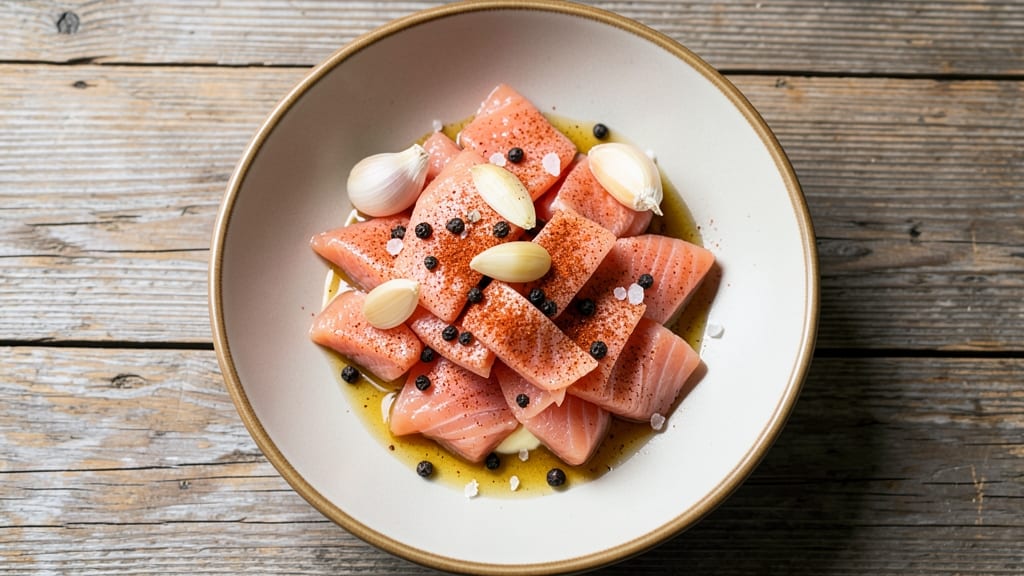
This smoky garlic butter pan-seared canned red salmon recipe transforms convenience into a rich, flavorful meal without the fuss. This recipe takes just 15 minutes to deliver restaurant-quality results with minimal effort—ideal for busy weeknights or elegant gatherings.
The secret lies in a simple marinade and high-heat searing that creates a crispy exterior while keeping the salmon tender inside.
What sets this dish apart is its versatility—whether you're serving it as a standalone protein or pairing it with sides like roasted asparagus or a fresh salad. The smoky garlic butter adds depth without overpowering the natural richness of the salmon, making it a crowd-pleaser.
I’ve perfected this method to ensure every bite is flavorful, crisp, and perfectly cooked.
By the end, you’ll have a dish that’s foolproof yet impressive, with a golden crust and aromatic garlic butter that elevates simple canned salmon to gourmet status. The technique is straightforward, but the results speak for themselves—no one will guess it started with a can.
Ready to serve in minutes, this recipe proves great meals don’t have to be complicated.
Serve with a squeeze of lemon or a sprinkle of fresh herbs to brighten the flavors, and pair it with a crisp white wine or sparkling water with citrus. The possibilities for customization are endless, but the foundation remains the same: quick, flavorful, and undeniably delicious.
Ingredients for canned red salmon
Transform canned salmon into a restaurant-quality dish with these 12 essential ingredients.
| Ingredient | Amount | Notes |
|---|---|---|
| Canned Red Salmon (Wild-Caught) 🐟 | 2 cans | High-quality, drained and flaked |
| Unsalted Butter 🧈 | ½ cup | Cold, cut into 8 even pieces |
| Garlic Cloves 🧄 | 4 cloves | Fresh, minced into fine paste |
| Smoked Paprika 🌶️ | 1 tsp | For smoky depth |
| Ground Black Pepper 🌶️ | ½ tsp | Freshly cracked |
| Kosher Salt 🧂 | ¾ tsp | Diamond Crystal preferred |
| Extra-Virgin Olive Oil 🫒 | 1 tbsp | Light, fruity variety |
| Fresh Lemon Juice 🍋 | 1 tbsp | From 1 small lemon |
| Fresh Parsley 🌿 | ¼ cup | Chopped, for garnish |
| Fresh Dill 🌿 | ¼ cup | Chopped, for garnish |
| All-Purpose Flour 🌾 | 1 tbsp | For dredging |
| Heavy Cream 🥛 | ¼ cup | Optional, for sauce |
The quality of your canned salmon makes all the difference. Wild-caught brands like Wild Planet or Vital Choice deliver superior texture and flavor compared to generic store labels. Look for cans labeled 'red salmon'—not sockeye or king—since their firm texture holds up better to high-heat searing. If you can only find sockeye, reduce the cooking time by 1-2 minutes to prevent overcooking. The salmon should be bright orange-red with no fishy odor when opened. For the butter, European-style unsalted (like Plugrá or Kerrygold) adds richer flavor than American brands, though regular unsalted works fine in a pinch.
No smoked paprika? Substitute with a pinch of liquid smoke (1/8 tsp) plus an extra 1/4 tsp regular paprika—just be cautious, as liquid smoke can overpower easily. Fresh herbs unavailable? Dried dill or parsley at one-third the amount works, though fresh is ideal for that bright finish. The heavy cream is optional but creates a luxurious sauce—use full-fat for best results. For the garlic, roast whole cloves first (400°F for 15 minutes) if you want a deeper, sweeter flavor profile. The olive oil should be light and fruity, not robust or peppery, to complement rather than compete with the salmon's natural richness.
Store any unused canned salmon in its juice with a tight lid in the fridge for up to 2 days or freeze for 3 months. The garlic butter mixture can be prepped ahead and refrigerated for 3 days, though it's best used immediately for peak crispiness. For leftovers, reheat gently in a skillet with a splash of water or cream to restore moisture. This dish pairs beautifully with roasted vegetables or crusty sourdough, and the flavors actually improve when reheated—perfect for meal prep.
Why You'll Love This Recipe
- Five-Ingredient Magic: I swear by this recipe when I’m staring at an empty fridge at 6:30pm. Wild-caught salmon from a can, butter, garlic, and two spices—that’s it. No chopping, no waiting for fish to thaw, no overcomplicating.
- Smoky Garlic Bliss: That smoked paprika and melted butter on flaked salmon? Rich, earthy, and just a little smoky—like a hug in a pan. The garlic cloves sizzle into oblivion, leaving behind pure, addictive flavor.
- Lunchbox Hero: Between us, this is my go-to for meal prep. Pack it in wraps with greens, or toss it into a salad for a protein punch. Honestly, it’s the only thing that keeps me from ordering takeout midweek.
- Budget-Friendly Luxury: Wild salmon feels fancy, but canned salmon makes it affordable. I feed my whole family for under $15, and the leftovers? Even better the next day. (Yes, even on a Tuesday night.)
Step-by-step instructions for smoky garlic butter pan-seared canned red salmon
Here's how to transform canned red salmon into a restaurant-worthy dish with crisp edges and rich, aromatic flavors.
Prepare the Salmon and Seasoning Base
Open the 2 cans of canned red salmon and drain them thoroughly, pressing gently on the flakes with a rubber spatula to remove excess liquid. Transfer the salmon to a mixing bowl and set aside. In a small bowl, combine the 1 tsp smoked paprika, 0.5 tsp ground black pepper, and 0.75 tsp kosher salt. This dry rub will infuse the salmon with deep, smoky complexity that pairs perfectly with the garlic butter.
For the garlic, mince the 4 cloves into a fine paste using a microplane or the flat side of your knife. This creates a smooth, even distribution when combined with the butter. The key here is freshness - if your garlic cloves have green shoots or feel soft, they'll add bitterness rather than sweetness to the dish. Save the minced garlic for the next step where it will develop its signature aroma.
Create the Garlic Butter Sauce
In a large skillet, melt the 0.5 cup unsalted butter over medium heat until it foams but doesn't brown. Add the minced garlic paste and cook for exactly 30 seconds, stirring constantly. You'll smell the garlic transform from raw to sweet and aromatic - this is your cue that it's ready. Remove the pan from heat immediately after this brief cooking time to prevent burning.
Return the skillet to medium heat and add the drained salmon flakes. Gently fold them into the garlic butter using a silicone spatula, working quickly to distribute the sauce evenly. The salmon should begin to sizzle gently as it heats through. Cook for 2-3 minutes total, just until the edges start to crisp slightly and the internal temperature reaches 145°F when checked with an instant-read thermometer. Overcooking will turn the delicate flakes rubbery.
Finish with Acid and Fresh Herbs
Remove the skillet from heat and stir in the 1 tbsp fresh lemon juice and the 1 tbsp extra-virgin olive oil. The acidity brightens the rich salmon and butter flavors while the olive oil adds a silky texture. Taste and adjust seasoning if needed - you may need a pinch more salt to balance the lemon's acidity.
Divide the salmon among 4 serving plates, garnishing each portion with 1 tbsp of the chopped fresh parsley and 1 tbsp of the chopped fresh dill. The herbs should be distributed evenly across the top for both visual appeal and fresh contrast to the rich salmon. The parsley adds brightness while the dill contributes its signature anise-like note that complements the salmon's natural flavor profile.
Optional Cream Sauce Enhancement
For those who prefer a creamier texture, return the skillet to low heat and whisk in the 0.25 cup heavy cream. Allow it to warm through for 1-2 minutes, stirring constantly until it reaches a gentle simmer. The cream should coat the back of a spoon with a velvety consistency. Immediately pour this sauce over the salmon just before serving to maintain its luxurious texture.
This cream addition transforms the dish into a more decadent presentation while maintaining the same quick preparation time. The cream should be warmed just enough to blend smoothly - don't let it come to a full boil or it will curdle. Serve immediately with crusty bread or over a bed of arugula for a complete meal that highlights the salmon's natural elegance.
Pro Tips For Making Canned Red Salmon
- Drain Salmon Properly: Open the can and drain the salmon over the sink—not in the pot—so you don’t end up with a watery, diluted sauce. The liquid’s fine for stocks, but here, you want the fish to shine, not swim.
- Melt Butter Slowly: Warm the butter in a cold pan over medium-low heat. If you crank it too high, the garlic will burn before the salmon gets a chance to crisp. I learned this the hard way—charred garlic ruins everything.
- Crush Garlic Coarsely: Skip the mincer—just smash the cloves flat with the side of your knife, then slice them thin. This way, they soften without turning to paste, and the flavor stays bright, not bitter.
- Season After Cooking: Taste the salmon first—canned fish varies wildly in saltiness. Add smoked paprika and pepper after it’s cooked, or you’ll end up masking the natural flavor. A pinch of lemon zest here makes a real difference.
Troubleshooting your canned red salmon
Salmon Too Dry?
If your salmon turns out dry, it likely overcooked. The key is timing: canned red salmon should cook for only 2-3 minutes after adding to the pan. Use an instant-read thermometer to check for 145°F internal temp—no higher!
For extra moisture, add 1 tbsp water or lemon juice during the last minute of cooking. 💡
Butter Burning?
Butter burns when left unattended or over medium-high heat. Keep heat at medium and stir constantly when melting. Remove the pan from heat immediately after adding garlic—it only needs 30 seconds to transform.
For extra insurance, melt butter in a non-stick skillet or use a cast-iron pan preheated for just 1 minute.
Flavor Too Mild?
Boost flavor by marinating the salmon for 10-15 minutes before cooking. Mix 1 tbsp lemon juice, 1 tsp smoked paprika, and ½ tsp salt with the drained flakes. Alternatively, add ½ tsp Old Bay seasoning or 1 tsp Worcestershire sauce to the garlic butter for depth.
Fresh herbs like dill and parsley should be added right before serving for maximum brightness. 🌿
Uneven Cooking?
Uneven cooking happens when salmon flakes aren’t evenly distributed. Press the flakes gently into a single layer in the pan for 1 minute before stirring. For thicker cuts (like canned salmon chunks), sear skin-side down first for 30 seconds before flipping.
A wide, shallow pan (like a 10-inch cast-iron) ensures even heat distribution. ✨
Salmon Sticking?
Sticking occurs from residual moisture or insufficient fat. Pat the salmon completely dry with paper towels before cooking. Use cold butter (not melted) to coat the pan first, then add the salmon.
A light dusting of flour (like the 1 tbsp in the recipe) helps create a crisp barrier. Avoid overcrowding the pan—cook in two batches if needed. 🧈
Leftover Salmon Dry?
Reheat leftovers gently to avoid drying out. Place salmon in a lightly oiled skillet over low heat with 1 tbsp water or cream, covering for 2-3 minutes. Alternatively, microwave for 30 seconds on 50% power, then finish in the skillet.
For extra moisture, stir in 1 tsp lemon juice or 1 tbsp heavy cream while reheating. 🔥
Nutrition facts
Frequently asked questions
What's the best way to drain canned salmon for this recipe?
Press the salmon flakes gently with a rubber spatula or clean hands to remove excess liquid. Spread them on a paper towel-lined plate for 5 minutes to absorb any remaining moisture before cooking. This ensures better browning and crispiness in the pan.
Can I use sockeye salmon instead of red salmon?
Yes, but reduce cooking time by 1-2 minutes since sockeye is slightly more delicate. The flavor profile will be similar, though red salmon has a firmer texture that holds up better to high-heat searing. Both work perfectly in this recipe!
How do I store leftovers without drying them out?
Transfer leftovers to an airtight container with a splash of lemon juice or water. Refrigerate for up to 3 days or freeze for 3 months. When reheating, use low heat with 1 tbsp cream or broth to restore moisture.
What are the best sides to serve with this dish?
Pair with roasted asparagus, crusty sourdough, or a mixed greens salad with citrus vinaigrette. The crispy salmon contrasts beautifully with tender vegetables or buttery bread. For a complete meal, add quinoa or mashed sweet potatoes.
Can I make this recipe ahead of time?
Prepare the garlic butter mixture up to 3 days ahead and store in the fridge. Assemble the dish just before serving to maintain crispiness. For a full make-ahead option, cook the salmon and refrigerate (covered) for up to 2 days, then reheat gently with extra butter or cream.