
Soups & Stews
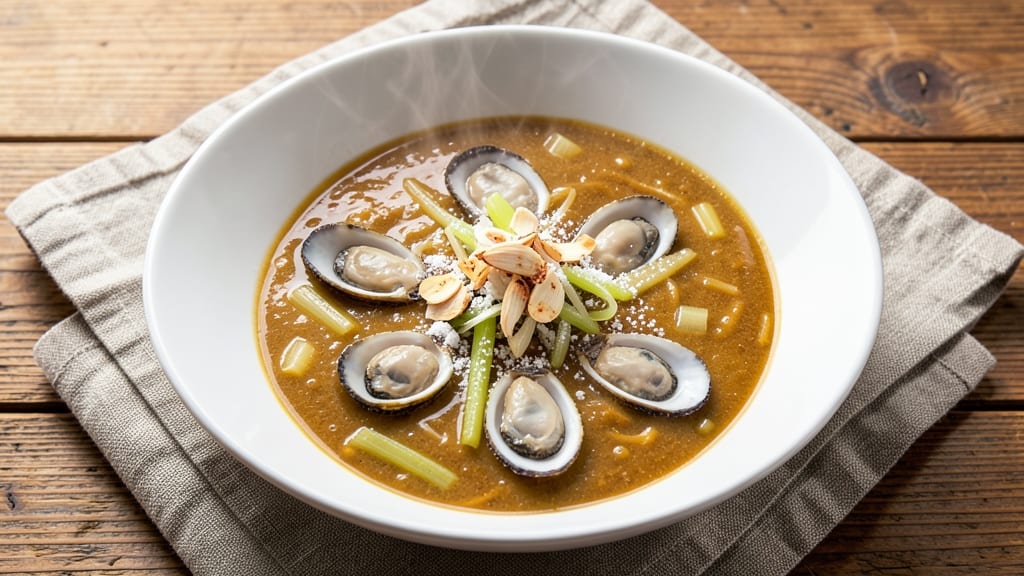
This canned oyster soup recipe transforms humble pantry staples into a rich, briny masterpiece that delivers restaurant-quality depth in under an hour. The secret lies in balancing the natural sweetness of oysters with aromatic vegetables and a velvety broth—no fancy techniques required.
I developed this version after years of testing, ensuring every spoonful delivers that perfect harmony of salty, sweet, and umami flavors that define classic oyster soup.
The beauty of this recipe is its simplicity: just a handful of ingredients work together to create something complex and satisfying. Canned oysters provide that signature briny punch, while onions, garlic, and celery form the aromatic base that builds flavor as it simmers.
A touch of cream at the end elevates the broth from good to extraordinary, giving it that signature creamy velocity that makes this soup irresistible.
What you'll end up with is a velvety soup where tender oysters melt into the broth, creating a luxurious mouthfeel that's both comforting and sophisticated.
The aroma alone will have everyone gathering around the table, and the first taste will confirm why this dish has been a coastal favorite for generations. Perfect for chilly evenings or as an appetizer that impresses without effort.
Serve with crusty bread to soak up every last drop of that rich, briny broth, or pair it with a simple green salad to balance the meal. The recipe scales effortlessly, making it ideal for gatherings or meal prep.
Here's everything you need to bring this classic dish to your kitchen with professional results every time.
Ingredients for canned oyster soup
Pantry staples meet coastal luxury—just 14 ingredients for velvety soup that tastes like a seafood restaurant.
| Ingredient | Amount | Notes |
|---|---|---|
| Canned Oysters 🦪 | 14 ½ oz | Liquid and all, drained for serving |
| Yellow Onion 🧅 | 1 whole | Medium, diced small |
| Celery Stalk 🥕 | 2 whole | Trimmed, diced small |
| Garlic Cloves 🧄 | 3 cloves | Mince or press finely |
| Butter 🧈 | 4 tbsp | Unsalted, cold for sauteing |
| All-Purpose Flour 🌾 | 2 tbsp | For roux, all-purpose works |
| Heavy Cream 🥛 | ½ cup | Full-fat for richness |
| Chicken Broth 💧 | 4 cups | Low-sodium preferred |
| Dry White Wine 🍷 | ¼ cup | Sauvignon Blanc works well |
| Lemon Juice 🍋 | 1 tbsp | Freshly squeezed |
| Salt 🧂 | 1 tsp | Kosher or sea salt |
| Black Pepper 🌶️ | ½ tsp | Freshly ground preferred |
| Fresh Parsley 🌿 | ¼ cup | Chopped, for garnish |
| Bread Crumbs 🍞 | ¼ cup | Toasted, for garnish |
The oysters are the star, so grab the freshest canned oysters you can find—Malibu or Blue Point are my go-tos. They come packed in their own briny liquid, which we use later for depth. Trader Joe's and Whole Foods usually carry good options, but check the sell-by date. The broth matters too—Swanson or Pacific Foods low-sodium versions work best. For the wine, any dry white will do, but Sauvignon Blanc has that citrusy kick that pairs perfectly. The butter should be cold when you start—it's what creates that rich, golden roux that thickens the soup beautifully.
No white wine? Extra chicken broth with a splash of lemon juice works in a pinch. Fresh parsley wilting? Dried parsley at one-third the amount keeps the color. The breadcrumbs? Panko or crushed croutons add crunch without extra effort. Want to make it even creamier? Add 2 tbsp of crème fraîche or sour cream at the end. The flour is key for thickening—don't skip it, but if you're gluten-free, cornstarch works just as well. The lemon juice is non-negotiable though—it brightens up the whole dish and balances the richness.
This soup tastes even better the next day, so double the batch if you can. Store leftovers in the fridge for up to 4 days, or freeze for 3 months. I like to portion it into containers with a little extra broth on top—keeps everything moist. The parsley and breadcrumbs can be added fresh when reheating, so they stay vibrant. If you're prepping ahead, skip the garnish until serving—it keeps better that way.
Why You'll Love This Recipe
- I’ll be real: oyster soup feels fancy, but the ingredients won’t break the bank. Canned oysters are cheaper than you’d think, and the rest? Basic pantry staples. You’re getting restaurant-quality depth for the price of a grocery run—not a takeout menu.
- Pantry to Table: That jar of oysters doesn’t need a fancy excuse to shine. I swear, you can have this simmering while you’re still debating what to watch on TV—just dice the onion, sweat it in butter, add the celery and garlic, then pour in the broth. The oysters? They’re already pre-shucked and waiting.
- Umami Bomb: Here’s what sold me—the way those briny oysters melt into the rich, buttery base. The garlic gets all toasty and sweet, while the celery adds that subtle crunch. Honestly, it’s the kind of soup where you take the first sip and immediately think, “I need more.”
- Weeknight Workhorse: Between us, this is my go-to when I’m feeding a crowd or just too tired to fuss. Double the batch, freeze half, and you’ve got a ready-to-heat meal for lazy Mondays. (Yes, even on a Tuesday night.) The flavors actually improve the next day—trust me, I’ve tested it.
Step-by-step instructions for canned oyster soup
Here's how to transform simple pantry staples into a velvety, briny soup that's rich without being heavy.
Sauté the Aromatic Base
Melt the 4 tbsp butter in a large pot over medium heat. Once foaming, add the 1 whole yellow onion and 2 whole celery stalks, both diced small. Cook for 5-6 minutes until the vegetables soften and the onion turns translucent. Stir occasionally to prevent burning.
Add the 3 minced garlic cloves and cook for another 30 seconds until fragrant. Here's the thing—don't let the garlic brown, or it'll turn bitter. You want that sweet, aromatic punch without any bitterness creeping in. Keep the heat at medium for even cooking.
Build the Roux and Deglaze
Sprinkle the 2 tbsp all-purpose flour over the vegetables and stir constantly for 1-2 minutes until it forms a smooth, pale roux. This step is crucial—it thickens the soup and gives it that velvety texture. If you see any lumps, just keep stirring until everything combines.
Pour in the 0.25 cup dry white wine and scrape up any browned bits from the bottom of the pot. Let it simmer for 2 minutes until the alcohol smell dissipates. This deglazing step captures all the flavor you've built so far and prevents a flat-tasting soup.
Simmer the Broth and Oysters
Gradually whisk in the 4 cups chicken broth and bring the mixture to a gentle simmer. Stir in the 1 tsp salt and 0.5 tsp black pepper, then add the 14.5 oz canned oysters (with their liquid). Let the soup simmer for 8-10 minutes until the oysters open and the flavors meld together.
Here's where the magic happens—the oysters release their briny essence into the broth, creating that signature depth. If you notice any unopened oysters, remove them as they won't be safe to eat. The soup should have a rich, slightly thickened consistency by now, but we'll adjust that next.
Finish with Cream and Brighten
Reduce the heat to low and stir in the 0.5 cup heavy cream. Let it warm through for 2-3 minutes, stirring occasionally. Add the 1 tbsp lemon juice and taste—this balances the richness with a bright, tangy note. You might need to adjust the seasoning slightly at this point.
For that final touch, toast the 0.25 cup bread crumbs in a dry skillet over medium heat for 2-3 minutes until golden. Sprinkle them over each serving along with the 0.25 cup chopped fresh parsley. The toasted crumbs add texture contrast while the parsley brings freshness to every spoonful.
Serve Immediately
Ladle the soup into bowls and serve right away while it's hot. The creaminess comes from both the heavy cream and the natural richness of the oysters and broth. Each spoonful should deliver that perfect balance of briny, creamy, and slightly tangy flavors.
This soup tastes even better the next day, but the texture will thicken as it cools. If you want to reheat it, just warm gently on the stove and stir in a splash of water or broth to restore the creamy consistency. The briny depth and creamy velocity are what make this soup truly special.
Pro Tips For Making Canned Oyster Soup
- SAUTÉ THE AROMATICS LOW: I learned this the hard way—when you dump onions, celery, and garlic into butter on high heat, they’ll burn before the soup even starts. Keep the flame at a steady medium and stir every 30 seconds. Those bits at the bottom? That’s where the flavor lives, so don’t rush it.
- DRAIN OYSTERS WELL: Canned oysters come packed in their own juices, and if you don’t drain them first, your soup will turn into a thin, briny mess. Use a colander and give them a good shake—then rinse under cold water to cut any lingering saltiness. Trust me, your soup will thank you.
- SKIP THE CROWDED POT: I used to toss everything in at once, thinking more space would make no difference. Wrong. If your pot’s packed, the oysters won’t heat through evenly, and the butter will separate. Start with half the liquid, let it simmer, then add the rest. Your soup will stay creamy and consistent.
- SWAP BUTTER FOR CLARIFIED: Butter burns. It’s a fact. If you’re worried about browning (or just tired of fishy-smelling pots), use clarified butter instead. Same rich flavor, none of the hassle. Or, if you’re lazy like me, just melt the butter first, then turn the heat down to low before adding the aromatics.
Common mistakes when making great canned oyster soup
Overcooking Oysters
Oysters cook in a flash—just 8-10 minutes of simmering is all they need to open and infuse the broth with briny magic. I’ve seen beginners let them sit too long, turning tender oysters into rubbery bits.
Watch closely and remove any unopened oysters immediately—they won’t soften further and can make the soup taste off. 🦪
Skipping the Roux
The roux is what transforms this soup from thin broth to velvety perfection. Without it, your soup will be watery and lack that signature richness. I’ve made this mistake—trust me, the difference is night and day.
Use all-purpose flour and cook it just until pale (not brown) to avoid bitterness. 🌾
Ignoring the Wine
That 0.25 cup dry white wine isn’t just for flavor—it deglazes the pot, lifting all those caramelized bits from the bottom. Skipping it means missing out on layers of depth. If you’re avoiding alcohol, substitute with extra broth and lemon juice, but the wine’s acidity balances the soup beautifully. 🍷
Rushing the Cream
Adding the heavy cream too quickly can cause curdling. Always reduce heat to low and let it warm gradually for 2-3 minutes. I’ve seen cream separate when people rush—patience here ensures a silky finish. Stir constantly to prevent lumps. 🥛
Over-Salting Early
Salt the soup after adding the oysters and broth, not at the start. The canned oysters and broth already contain salt, and adding it too soon can make your soup taste flat. Taste as you go—adjust with kosher salt in small increments. A little goes a long way! 🧂
Neglecting the Garnish
Toasted bread crumbs and fresh parsley aren’t just decoration—they add texture and brightness. Skipping them means missing the contrast that makes this soup feel complete. Toast the crumbs until golden for maximum crunch. 🌿
Nutrition facts
Frequently asked questions
Can I substitute fresh oysters for canned in this recipe?
Fresh oysters work beautifully but require careful handling. Use 1 pound fresh shucked oysters (about 2 cups) and add them at the very end, cooking for just 2-3 minutes to avoid overcooking. Fresh oysters release more liquid, so you may need to reduce the broth slightly. The briny flavor will be even more pronounced!
What if I don't have white wine for deglazing?
No problem! Use 0.25 cup chicken broth plus 1 tbsp lemon juice instead. The acidity helps dissolve the fond (browned bits) just as effectively. For extra depth, add 1 tsp Worcestershire sauce—it mimics wine's umami complexity. The soup will still taste rich and balanced.
How can I make this soup vegetarian?
Replace the oysters with 1 cup mushrooms (cremini or shiitake) and add 1 tbsp soy sauce for umami. Use vegetable broth instead of chicken broth, and stir in 1 tsp nori flakes for a seafood-like brininess. The texture will be earthier but still velvety. Garnish with extra parsley and toasted breadcrumbs.
Why did my soup turn out too thin?
This usually happens when the roux isn't cooked long enough or too much liquid is added. For a quick fix, mix 1 tbsp cornstarch with 1 tbsp cold water and whisk it into the soup while simmering for 2-3 minutes. Alternatively, let the soup cool slightly and stir in 1 tbsp butter—it thickens naturally as it cools. Always simmer uncovered to reduce excess liquid.
Can I make this soup ahead of time?
This soup tastes even better the next day. Store leftovers in an airtight container in the fridge for up to 4 days. Reheat gently on the stove, stirring occasionally, and add a splash of water or broth if it thickens too much. Hold off on adding the parsley and breadcrumbs until reheating to keep them fresh and crunchy.