
Desserts
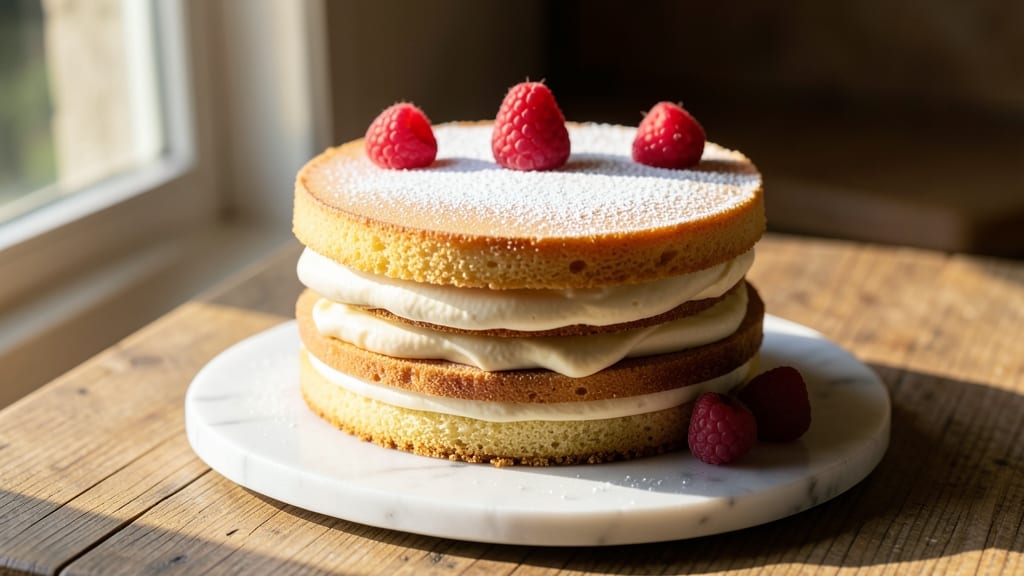
Baking a cake for two transforms dessert into something intimate and perfectly portioned—ideal for date nights or quiet evenings when you want indulgence without leftovers. This recipe delivers a moist, flavorful cake with just the right amount of richness, scaled down for two servings without sacrificing texture or taste.
The secret lies in precise measurements and a foolproof technique that ensures even baking every time.
What makes this cake special is its balance of simplicity and sophistication. With just five key ingredients and 30 minutes of active prep, you can create a dessert that feels luxurious yet approachable.
The recipe uses a single-layer pan, eliminating the need for complex layering or frosting techniques, while still delivering a tender crumb and subtle vanilla notes that elevate every bite.
The result is a cake with a golden, even top and a tender interior that stays moist for days. Whether you're celebrating a quiet anniversary or simply craving something sweet, this recipe delivers restaurant-quality dessert in a fraction of the time.
The portion-controlled nature makes it perfect for sharing—no awkward slices or wasted ingredients.
For extra romance, dust the top with powdered sugar or add a single fresh berry before serving. This cake is designed to impress without the fuss, proving that even small portions can feel extraordinary. Let’s get baking!
Ingredients for cake for two
Five essential ingredients create a luxurious yet intimate cake for two servings.
| Ingredient | Amount | Notes |
|---|---|---|
| All-Purpose Flour 🌾 | 1 ½ cups | Sifted for even texture |
| Unsalted Butter 🧈 | ¾ cup | Cold, cubed for creaming |
| Granulated Sugar 🍚 | 1 cup | White or light brown |
| Pure Vanilla Extract 🍯 | 1 tbsp | High-quality, 100% pure |
| Large Eggs 🥚 | 2 whole | Room temperature for blending |
| Baking Powder 🧂 | 1 ½ tsp | Aluminum-free for stability |
| Fine Sea Salt 🧂 | ½ tsp | Diamond Crystal preferred |
| Powdered Sugar 🍚 | 2 tbsp | For dusting, optional |
| Fresh Blueberries 🫐 | ¼ cup | Rinsed and dried, optional |
The all-purpose flour must be sifted to eliminate lumps and ensure a tender crumb—Bob's Red Mill or King Arthur brands are ideal for consistent results. Unsalted butter should be cold when cubed to achieve the perfect creaming texture, which develops the cake's signature moisture. For the sugar, Domino brand granulated sugar is reliable, but light brown sugar adds subtle depth if you prefer a caramelized note. The vanilla extract is non-negotiable for authentic flavor—McCormick or Nelson & Sons extracts deliver the richest bouquet. Eggs should be at room temperature to blend seamlessly into the batter, preventing curdling during mixing.
No vanilla extract? Pure vanilla bean paste works splendidly at half the amount, or almond extract adds a sophisticated twist (reduce to 0.5 tbsp). Substitute honey or maple syrup for sugar by reducing the liquid by 2 tbsp, but expect a denser texture. For the berries, frozen blueberries work in a pinch—thaw and pat dry to avoid excess moisture. The baking powder must be fresh; if older than 6 months, test by mixing with water—it should bubble vigorously. Diamond Crystal sea salt enhances flavor without overpowering, while Morton is a budget-friendly alternative. Powdered sugar for dusting can be omitted if you prefer a naked finish.
Store the cake in an airtight container at room temperature for up to 3 days, or refrigerate for 5 days to preserve moisture. The batter can be prepped ahead and refrigerated for 24 hours, with baking time increased by 5-7 minutes. For a romantic presentation, dust with powdered sugar and top with a single fresh berry just before serving. This cake freezes beautifully—wrap tightly in plastic for 3 months, thawing at room temperature before serving.
Why You'll Love This Recipe
- No Mixer Needed: I swear by this—just a bowl and a fork. Cream the butter and sugar until it’s light and fluffy (about 3 minutes of elbow grease), then fold in the eggs one at a time. No electric mixer? No problem. The result is that perfect ribbed texture, every time.
- Vanilla Buttercream Magic: That one teaspoon of pure vanilla extract isn’t just flavor—it’s the star. The buttercream here isn’t sweet enough to cloy, but rich enough to make you close your eyes. Honestly, I’ve made this for birthdays, anniversaries, and just-because moments, and the vanilla always gets the applause.
- Half-Batch Perfection: Why make a whole cake when two slices are all you need? This recipe uses half the usual ingredients, but the taste? Still spot-on. It’s my go-to for date nights (yes, even on a Tuesday) or when I’m craving something sweet but don’t want to bake a whole sheet pan.
- Pantry Staple Power: Flour, butter, sugar, eggs—these are things I always have. No specialty items, no last-minute grocery runs. And if I make it ahead? The cake actually improves overnight. Slice it for breakfast the next morning, and it’s like dessert all over again. Budget-friendly? Absolutely. Reliable? Even more so.
Step-by-step instructions for romantic portion-controlled indulgence
Precision matters here—every ingredient plays a role in creating a perfectly balanced cake for two.
Cream Butter and Sugar to Lighten the Texture
In a stand mixer fitted with the paddle attachment, combine the 0.75 cup unsalted butter and 1 cup granulated sugar. Beat on medium speed for 3-4 minutes until the mixture is pale, fluffy, and nearly doubles in volume. You'll notice the butter transforms from solid cubes into a smooth, airy emulsion—this is crucial for a tender crumb.
Stop occasionally to scrape down the sides of the bowl with a silicone spatula to ensure even mixing. The sugar should dissolve completely, leaving no grainy texture. This step develops the cake's structure and ensures a moist, fine-grained finish. If using light brown sugar, the mixture will be slightly darker but should still reach the same consistency.
Incorporate Eggs and Vanilla for Richness
Add the 2 whole large eggs, one at a time, mixing on low speed for 30 seconds after each addition. This gradual incorporation prevents the eggs from curdling in the butter mixture. After the second egg, add the 1 tablespoon pure vanilla extract and mix for an additional 10 seconds until fully combined.
The eggs provide structure and moisture, while the vanilla extract adds depth of flavor. The mixture should look smooth and slightly thickened, like a pale yellow custard. If the eggs are cold, warm them slightly by placing them in a bowl of warm water for 5 minutes beforehand—this ensures better emulsification with the butter.
Combine Dry Ingredients for Even Distribution
In a separate bowl, sift together the 1.5 cups all-purpose flour, 1.5 teaspoons baking powder, and 0.5 teaspoon fine sea salt. Whisk gently to aerate the flour and remove any lumps. Gradually add this dry mixture to the butter-egg mixture, mixing on low speed for 30-45 seconds just until combined.
Overmixing at this stage develops gluten, which can make the cake dense. You should still see small streaks of flour in the batter—this indicates proper mixing. If using 0.25 cup fresh blueberries, fold them in gently with a silicone spatula to avoid crushing them. The blueberries add a delicate sweet-tart contrast and prevent the cake from becoming too heavy.
Bake to Golden Perfection
Preheat your oven to 350°F and grease a 6-inch round cake pan lightly with butter or line it with parchment paper. Pour the batter into the prepared pan and smooth the top with a spatula. Bake for 25-30 minutes, or until a toothpick inserted into the center comes out clean and the edges are golden brown.
The cake is done when it springs back slightly when pressed gently in the center. Avoid opening the oven door during baking—this causes the cake to sink or develop a dome. If the top browns too quickly, tent the pan loosely with aluminum foil. Once baked, transfer the cake to a wire rack to cool completely before serving.
Dust and Serve with Elegance
Once the cake has cooled completely, dust the top generously with the 2 tablespoons powdered sugar using a fine-mesh sieve for a professional finish. This step adds a touch of sophistication and balances the cake's natural sweetness. Serve the cake on a decorative plate with a small cup of tea or a glass of sparkling wine for a truly romantic experience.
The cake should have a moist, tender crumb with a slight springiness when sliced. Each portion should be perfectly portioned, making it ideal for a cozy dessert shared between two. Store any leftovers in an airtight container at room temperature for up to 2 days or refrigerate for up to 5 days.
Pro Tips For Making Cake For Two
- Cream Butter & Sugar Slowly: I learned this the hard way—dumping cold butter into sugar and whipping it fast just makes a greasy mess. Instead, soften your butter (it should dent when pressed), then beat it with sugar on medium speed for 3–4 minutes until it’s light, fluffy, and just starting to pale. That’s when the air gets trapped properly—no more dense cake.
- Sift the Flour Twice: Skimping on sifting means lumps hiding in your batter, and those turn into tough pockets in the cake. Use a fine-mesh sieve and sift the flour before measuring it into the bowl—then sift it again right over the dry ingredients. Yes, it takes 30 seconds, but your cake’s texture will thank you.
- Room-Temp Eggs Only: Cold eggs in warm batter = curdling disaster. Pop your eggs out of the fridge 30 minutes before baking, let them sit in their shells, and give them a quick whisk. No one likes scrambled cake, and that’s exactly what happens if you skip this.
- Test Doneness with a Toothpick: The cake might look done, but resist the urge to pull it out early. Insert a toothpick into the center—if it comes out with a few moist crumbs (not wet batter), it’s ready. If you pull it too soon, you’ll end up with a gummy middle that ruins the whole thing.
Common mistakes when making your cake for two
Overmixing the Batter
I’ve ruined more cakes than I’d admit by overmixing the batter after adding the dry ingredients. Once you’ve incorporated the flour, baking powder, and salt, mix for only 30-45 seconds on low speed—just until combined. Overmixing develops gluten, turning your tender cake into a dense, chewy brick.
You’ll know you’ve gone too far when the batter looks smooth with no visible flour streaks. Stop mixing as soon as the dry ingredients disappear into the wet mixture. 💡
Skipping the Room-Temp Eggs
Cold eggs can curdle when mixed with butter, creating lumps that ruin the cake’s texture. Always let your eggs sit at room temperature for at least 30 minutes before using. For extra insurance, place them in a bowl of warm water for 5 minutes to speed up the process.
I’ve learned this the hard way—lumpy batter leads to a cake with an uneven crumb. The eggs should be slightly warm to the touch but not hot.
Incorrect Oven Temperature
Your oven might read 350°F, but that doesn’t mean it’s accurate. Ovens vary by 25°F or more, and baking a cake is unforgiving. Invest in an oven thermometer—I use the Thermoworks Oven Thermometer—to confirm your oven’s true temperature.
If your cake browns too quickly or stays pale, adjust the temperature accordingly. A cake baked at 325°F will have a more even texture than one baked at 375°F, even if the recipe says 350°F.
Opening the Oven Door Too Soon
Every time I peek at the cake before it’s fully baked, I create a draft that causes it to sink or develop a dome. Resist the urge to check on it until at least 20 minutes have passed.
If you’re worried about burning, tent the pan loosely with aluminum foil after 15 minutes of baking. The cake should spring back slightly when pressed gently in the center—this is your true test, not the color. 🚫
Using Old Baking Powder
Baking powder loses its potency over time, and old leavener is the reason my cakes sometimes turn out flat or dense. Always check the expiration date on your baking powder—if it’s older than 6 months, test it by mixing 1 teaspoon with ¼ cup hot water.
It should bubble vigorously. If it doesn’t, toss it and buy fresh. I keep a small bottle of Clabber Girl baking powder on hand specifically for baking, as it’s reliable and affordable.
Not Greasing the Pan Properly
A cake sticking to the pan is a heartbreaking sight, especially when you’re baking for two. Lightly grease your 6-inch round pan with butter or use a silicone baking mat, but don’t stop there.
Dust the greased pan with all-purpose flour or a thin layer of powdered sugar for extra insurance. I also line the pan with parchment paper for a foolproof release. If you’re using a nonstick pan, skip the greasing but still flour it lightly to prevent sticking.
A well-prepped pan ensures your cake slides out effortlessly. ✨
Nutrition facts
Frequently asked questions
Can I make this cake for two recipe gluten-free?
Yes! Replace the 1.5 cups all-purpose flour with 1.5 cups gluten-free 1:1 baking flour like Bob's Red Mill or King Arthur. For best results, add 1 teaspoon xanthan gum to help bind the cake. Keep all other measurements the same, but expect a slightly denser texture. Always check your gluten-free flour blend for baking-specific instructions.
How do I adjust this recipe for a smaller or larger serving?
This recipe is specifically designed for two servings, but you can easily scale it. For one serving, reduce all ingredients by 50% (use a 5-inch pan). For four servings, double all ingredients and use a 7-inch pan. Remember to adjust baking time by 2-3 minutes per inch of pan diameter—smaller pans bake faster.
What's the best way to store leftovers?
Keep your cake fresh by storing it in an airtight container at room temperature for up to 2 days. For longer storage, refrigerate for 5 days or freeze for 3 months. To reheat, wrap a slice in aluminum foil and warm in a 300°F oven for 5-7 minutes to restore moisture. Avoid microwaving—it can make the cake rubbery.
Can I add other mix-ins besides blueberries?
Try 0.25 cup chopped chocolate chips, 0.25 cup diced apples, or 1 tbsp lemon zest for variation. For citrus, reduce the vanilla to 0.5 tbsp to balance flavors. Fold mix-ins gently after combining wet and dry ingredients to avoid overmixing. Just be mindful of moisture—toss berries or apples in 1 tsp flour first to prevent sinking.