
Soups & Stews
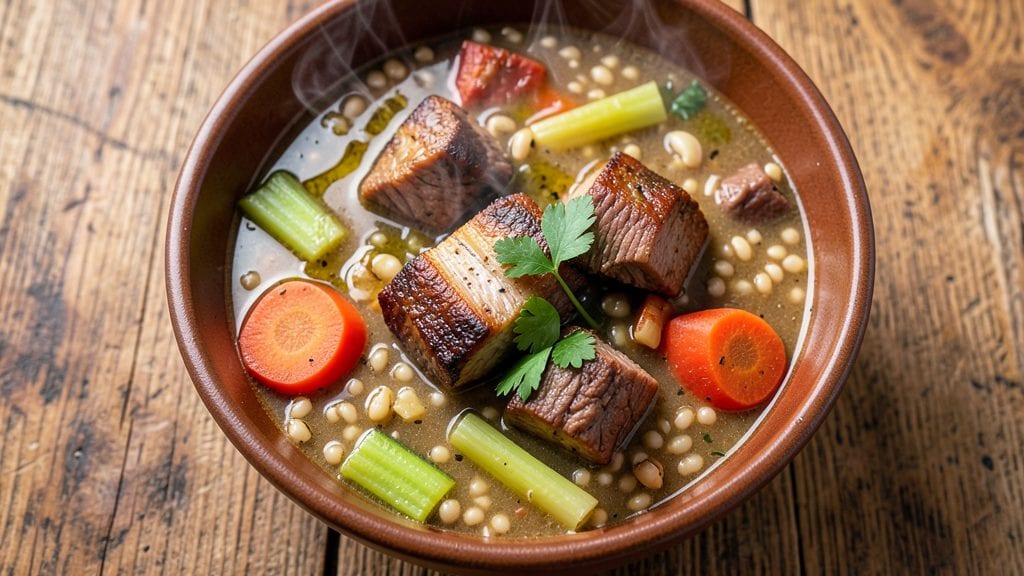
Betty Crocker's beef barley soup recipe delivers that hearty, comforting classic we all crave on chilly evenings. The secret lies in slow-simmered beef and chewy barley, creating a broth so rich it feels like a warm hug in a bowl.
I've perfected this version to balance simplicity with restaurant-quality depth—no shortcuts that sacrifice flavor.
What sets this recipe apart is the precise method for developing flavor: browning the beef first creates deep, caramelized notes that infuse the broth during simmering. The barley transforms from hard grains to tender, chewy bites that hold their shape beautifully.
This isn't just soup—it's a one-pot meal that builds character over time, with every ingredient playing its part.
By the time you're done, you'll have a steaming bowl of golden broth loaded with tender beef chunks and perfectly textured barley. The aroma alone will have everyone gathering around the table, while the first spoonful delivers that perfect balance of savory meat, nutty barley, and well-seasoned broth.
This is comfort food at its finest—classic in every sense.
The beauty of this recipe is its versatility—serve it as-is for a simple family dinner or elevate it with garnishes like fresh parsley or a dollop of sour cream. The instructions are straightforward, but the results speak for themselves. Let's get cooking!
Ingredients for betty crocker beef barley soup
Sixteen essential ingredients transform into Betty Crocker's legendary beef barley soup, rich with caramelized beef and nutty barley.
| Ingredient | Amount | Notes |
|---|---|---|
| Beef Chuck Roast 🥩 | 2 lb | Cut into 1-inch cubes, trimmed of fat |
| Yellow Onions 🧅 | 2 whole | Medium size, sliced into half-moons |
| Carrots 🥕 | 4 medium | Peeled, cut into 1-inch chunks |
| Celery Stalks 🌿 | 4 whole | Trimmed, cut into 1-inch pieces |
| Pearl Barley 🌾 | 1 cup | Uncooked, rinsed thoroughly |
| Garlic Cloves 🧄 | 4 cloves | Peeled, lightly crushed |
| Tomato Paste 🍅 | 2 tbsp | High-quality, unsweetened |
| Beef Broth 💧 | 6 cups | Low-sodium preferred, homemade or store-bought |
| Red Wine 🍷 | 1 cup | Dry, medium-bodied like Cabernet Sauvignon |
| Bay Leaves 🌿 | 2 whole | Fresh, dried works in pinch |
| Dried Thyme 🌿 | 1 tsp | Or 1 tbsp fresh thyme leaves |
| Black Peppercorns 🌶️ | 1 tsp | Freshly cracked, coarse grind |
| Salt 🧂 | 2 tsp | Diamond Crystal kosher salt |
| Olive Oil 🫒 | 2 tbsp | Extra-virgin, for searing |
| Fresh Parsley 🌿 | ¼ cup | Chopped, for garnish (optional) |
The beef selection determines the soup's soul. Chuck roast delivers the ideal balance of tenderness and flavor—sirloin or flank steak will overpower the dish. Most grocery stores carry pre-cubed chuck roast in the meat section, but Costco or Whole Foods offer superior quality with better marbling. Look for vibrant red color and visible fat distribution; this ensures optimal flavor development during the browning process. If using a whole roast, trim excess fat before cubing—this prevents greasy broth later. For the vegetables, organic carrots and celery from the produce department (especially the Trader Joe's or Harris Teeter brands) provide superior sweetness and texture compared to conventional produce. The onion should be firm with no soft spots, and the garlic should have tight, unbroken cloves.
No red wine on hand? Dry vermouth or additional beef broth maintains the depth without altering the flavor profile significantly. Substituting pearl barley? Pot barley or wild rice work well, though cooking times may vary—always check package instructions. The tomato paste can be omitted entirely if you prefer a lighter broth, but it adds essential umami depth that's hard to replicate. For the broth, homemade is ideal, but quality store-bought options like Kirkland Signature or Pacific Foods provide excellent results. Fresh thyme is preferable, but if using dried, ensure it's labeled as culinary thyme—not the ornamental variety. The black peppercorns should be freshly cracked using a pepper mill for maximum aroma release. For the parsley garnish, flat-leaf Italian parsley offers superior flavor compared to curly parsley.
This soup develops deeper flavor with time—4-6 hours of simmering yields restaurant-quality results. For meal prep, store in airtight containers in the refrigerator for up to 5 days or freeze portions for 3 months. The barley continues to soften when reheated, so it's best to serve immediately after bringing to a boil. To reheat, add a splash of broth or water and simmer gently. The soup tastes even better the next day as flavors meld further. For serving, ladle into deep bowls and garnish with fresh parsley just before eating—this preserves the vibrant color and adds a bright contrast to the rich broth. The leftovers reheat beautifully, making this an excellent make-ahead dish for busy weeknights.
Why You'll Love This Recipe
- One-Pot Wonder: I swear by this recipe when I’m too tired to wash another dish. Just toss everything—beef, veggies, barley—into a pot, add broth, and let it simmer. No chopping like a fine-diner, no measuring like a scientist. The barley softens while the beef melts, and suddenly, dinner’s ready.
- Deep, Savory Magic: That beef chuck roast? It’s the star—tender enough to fall apart with a spoon, but rich enough to make the whole kitchen smell like a Sunday dinner. The onions and celery caramelize just enough to add this warm, earthy depth, while the barley soaks up all the flavor like a little flavor sponge.
- Leftovers That Beg: Between us, this soup only gets better after a day or two. The barley plumps up, the beef gets even more fork-tender, and the flavors marry into something heartier. I’ll make a double batch on Sundays just so I can heat up a bowl all week—no takeout, no fuss.
- Budget-Friendly Hero: A beef chuck roast on sale? Carrots and celery from the garden? This recipe stretches every ingredient without skimping on taste. It’s the kind of meal that makes you feel like you’re feeding a crowd, even if you’re just feeding yourself (or your wallet).
Step-by-step instructions for Betty Crocker beef barley soup
This classic recipe delivers deep flavor and chewy barley through precise technique and layered seasoning.
Sear the Beef for Maximum Flavor
Heat the 2 tablespoons olive oil in a large Dutch oven over medium-high heat. Working in batches if needed, add the 2 lb beef chuck roast cut into 1-inch cubes, searing each side until deeply browned with a crisp crust—about 3-4 minutes per batch. This step develops the rich, caramelized foundation for your soup.
As you sear, resist the urge to overcrowd the pot. You want those beef pieces to develop that golden crust without steaming. Once all beef is browned, transfer it to a plate and set aside. You'll notice the pot now contains those precious browned bits—don't scrape them out yet. These flavor packets will form the base of your soup.
Build the Aromatic Base
In the same Dutch oven, add the 2 whole yellow onions sliced into half-moons, 4 medium carrots cut into 1-inch chunks, and 4 whole celery stalks chopped into 1-inch pieces. Cook for 8-10 minutes over medium heat, stirring occasionally, until the vegetables soften and begin to caramelize at the edges.
Add the 4 cloves garlic cloves that have been peeled and lightly crushed. Cook for an additional 1 minute until fragrant—this releases their full aromatic potential. Then stir in the 2 tablespoons tomato paste and cook for 2 minutes to deepen the color and intensify the umami flavors. The mixture should take on a rich, reddish hue at this point.
Deglaze and Combine Liquids
Pour in the 1 cup red wine, scraping up all those browned bits from the bottom of the pot with a wooden spoon. This deglazing step captures all that concentrated beef flavor. Let the wine simmer for 3-4 minutes until it reduces by about half, allowing its acidity to mellow and its alcohol to cook off.
Add the 6 cups beef broth, 2 whole bay leaves, 1 teaspoon dried thyme, 1 teaspoon black peppercorns, and 2 teaspoons salt. Bring the mixture to a gentle boil, then reduce heat to medium-low and return the seared beef to the pot. The broth should now cover the beef by about 1 inch. If not, add a little water to adjust the liquid level.
Simmer Until Beef is Tender
Cover the pot and let the soup simmer gently for 1 hour 15 minutes over low heat. This slow cooking time is crucial—it breaks down the tough beef fibers, infusing the broth with deep, meaty flavor. Check periodically to ensure the liquid level remains adequate, adding a little water if needed.
After 1 hour 15 minutes, remove the beef and vegetables with a slotted spoon and set them aside. The beef should be fork-tender and easily pull apart. Taste the broth—it should now be rich and deeply flavorful. If you find it needs more seasoning, adjust with additional salt or a splash of red wine to balance the flavors.
Cook the Barley and Finish
Return the beef and vegetables to the pot and add the 1 cup pearl barley that has been rinsed thoroughly. The barley should be fully submerged in the broth. Bring the soup back to a gentle simmer and cook uncovered for 30-40 minutes, stirring occasionally, until the barley is chewy and tender with a slight bite.
Once the barley reaches the perfect texture, stir in the 0.25 cup fresh parsley chopped for garnish. Remove the 2 whole bay leaves and adjust the seasoning one final time. The soup should be richly seasoned with a balance of beefy depth, herbal notes, and subtle wine acidity. Ladle into bowls and serve immediately, garnished with additional parsley if desired.
Pro Tips For Making Betty Crocker Beef Barley Soup
- Brown the Chuck Roast: Don’t just toss that beef in—get it deep golden before adding liquid. I learned this the hard way: skipping the browning leaves the soup tasting bland and flat. Use a hot Dutch oven and let it sear 4-5 minutes per side until crusty.
- Dice Veggies Evenly: Cut carrots, onions, and celery into ½-inch chunks—no smaller, no larger. Uneven pieces mean some veggies stay crunchy while others turn to mush. A sharp knife and steady hand make this faster than you’d think.
- Skip the Pre-Soaking Barley: Pearl barley doesn’t need soaking—just rinse it first. I used to soak it like wild rice, but it softens too fast and makes the soup gluey. A quick rinse removes dust and keeps the texture perfect.
- Simmer, Don’t Boil: Keep the heat low enough that only tiny bubbles break the surface. Boiling toughens the beef and turns the barley mushy. After the first 30 minutes, reduce to a gentle simmer and walk away—this soup tastes better when ignored.
Wine and beer pairings for this dish
Red Wine Harmony
A medium-bodied red wine like Cabernet Sauvignon or Merlot complements this soup beautifully. The wine's acidity cuts through the richness while its tannins harmonize with the beef's depth. I recommend a 2018 vintage from California's Napa Valley—its dark fruit notes mirror the soup's caramelized beef flavors.
Serve slightly chilled (55-60°F) to enhance the wine's freshness against the warm soup. 🍷
Crisp White Contrast
For a lighter pairing, try a dry white wine like Sauvignon Blanc or Chardonnay with minimal oak. The citrus notes in Sauvignon Blanc brighten the barley's nuttiness, while a unoaked Chardonnay from New Zealand adds a crisp, mineral edge.
Both wines should be served at 45-50°F to maintain their vibrant acidity. This unexpected contrast works surprisingly well with hearty soups.
Malty Amber Ale
If you prefer beer, a Belgian-style amber ale like Allagash Amber or Fat Tire provides the perfect balance. The ale's caramel and biscuit malt flavors echo the soup's caramelized onions and barley, while its moderate hop bitterness cleanses the palate.
Serve at 48-52°F to let the malt sweetness shine without overwhelming the beef's depth. This pairing is especially popular during fall gatherings. 🍺
Stout for Richness
For a bold contrast, consider a dry stout like Guinness or Samuel Smith's Oatmeal Stout. The stout's roasted malt notes complement the beef's umami, while its creamy texture mirrors the barley's chewiness.
Serve at 45°F to maintain its smooth, velvety mouthfeel. This pairing works exceptionally well when served in small, chilled mugs alongside the soup.
Seasonal Cider
During autumn, a dry hard cider like Angry Orchard or Woodchuck Hard Cider offers a refreshing alternative. The cider's apple acidity brightens the soup's richness, while its subtle sweetness balances the barley's nuttiness.
Serve slightly chilled (45-50°F) to enhance its crispness. This pairing is perfect for cozy fall evenings when you want something seasonal yet sophisticated. 🍎
Pairing Pro Tips
Always serve wine or beer slightly chilled to complement the soup's warmth. For reds, decant for 15-20 minutes to soften tannins, while whites and beers should be poured directly from the fridge.
I find that smaller portions (about 4-5 oz) allow you to enjoy both the soup and beverage without overpowering either. The key is balance—let the drink enhance the soup's flavors, not compete with them. 💡
Nutrition facts
Frequently asked questions
Can I use a different type of barley for this recipe?
Pearl barley is ideal for its chewy texture, but you can substitute with pot barley or wild rice if needed. Just check package instructions—pot barley cooks faster (20-25 minutes) while wild rice may take 45-60 minutes. The flavor will differ slightly, but the soup will still be delicious!
How do I make this soup in a slow cooker?
Brown the beef and sauté the vegetables as directed, then transfer everything to your slow cooker. Add all remaining ingredients except the barley, then cook on low for 6-7 hours or high for 3-4 hours. Stir in the barley and cook an additional 30-40 minutes until tender. The slow cooker method enhances the beef's tenderness beautifully!
Why does my barley turn mushy?
Overcooking is the most common cause. Barley should simmer gently—never boil vigorously. The 30-40 minute guideline is for pearl barley; if yours cooks faster, check it at 25 minutes. Also ensure it's fully submerged in broth. For extra insurance, use a 1:4 barley-to-liquid ratio (1 cup barley to 4 cups broth).
Can I make this soup ahead of time?
This soup tastes even better the next day as flavors meld. Store in an airtight container in the fridge for up to 5 days or freeze portions for 3 months. When reheating, add a splash of broth or water and simmer gently—never microwave directly. The barley will soften further, so plan for slightly more tender texture when serving later.
What's the best way to reheat leftovers?
Never reheat directly in the microwave—it makes the barley gummy. Instead, transfer to a pot with 2-3 tablespoons of broth or water per serving. Heat over medium-low heat until steaming (5-7 minutes). Stir occasionally to prevent sticking. For best results, reheat just until hot through—overheating can break down the barley's texture.