
Side Dishes
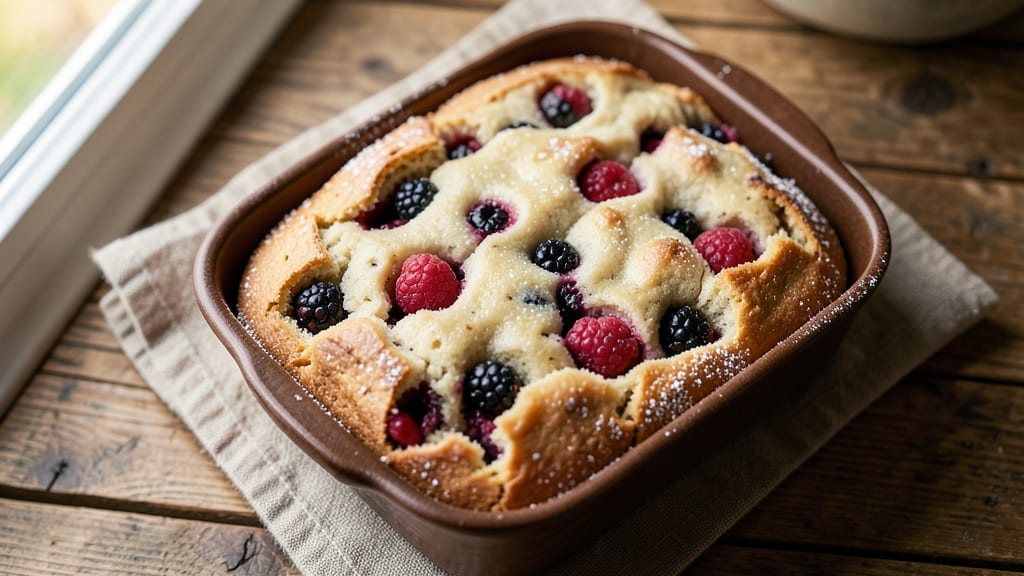
This berry bread recipe transforms ordinary loaves into a jam-packed masterpiece with bursts of sweetness and a satisfying crusty crunch. The secret lies in folding fresh berries into a well-developed dough, ensuring each slice delivers tender crumb and vibrant fruit pockets.
I perfected this technique after years of experimenting with fruit breads—balancing yeast activation, proper proofing, and oven spring for consistent results every time.
The dough begins with a simple yeast mixture that develops flavor as it rises, while the berries (fresh or frozen) get a light sugar coating to prevent sinking.
Shaping the loaf requires gentle handling to maintain structure, and baking at the right temperature creates that coveted crispy crust while keeping the interior moist. This isn't just dessert—it's a versatile side that pairs beautifully with breakfast, brunch, or even as a sweet snack.
What you'll end up with is a golden-brown loaf with a fragrant aroma that fills your kitchen, and slices that reveal pockets of jammy goodness in every bite. The crust stays crisp for days, while the interior remains tender and slightly sweet.
Whether you're baking for a crowd or treating yourself, this recipe delivers professional-quality results with minimal fuss.
Optional glazes or streusel toppings can elevate it further, but the base recipe stands strong on its own. Let's get started on creating your perfect berry bread—where every slice tells a story of homemade sweetness.
Ingredients for berry bread
Four cups flour, two cups berries, and a touch of magic for jam-packed sweetness.
| Ingredient | Amount | Notes |
|---|---|---|
| All-Purpose Flour 🌾 | 4 cups | Spooned and leveled for accuracy |
| Granulated Sugar 🍚 | ½ cup | White or light brown |
| Active Dry Yeast 🍞 | 2 ¼ tsp | Fresh or 1 packet |
| Warm Whole Milk 🥛 | 1 cup | 110°F for yeast activation |
| Unsalted Butter 🧈 | ½ cup | Cold, cubed for dough |
| Large Eggs 🥚 | 1 whole | Room temperature |
| Vanilla Extract 🌸 | 1 tsp | Pure extract preferred |
| Salt 🧂 | ½ tsp | Kosher or sea salt |
| Mixed Berries 🍓 | 2 cups | Fresh or frozen, sugar-coated |
| Granulated Sugar for Berries 🍚 | ¼ cup | For coating berries |
| Egg Wash 🥚 | 1 whole | Beaten egg for topping |
| Coarse Sugar 🍚 | 2 tbsp | For sprinkling on top |
The flour is your foundation—King Arthur or Gold Medal are my go-tos for that perfect crumb. If you're using frozen berries, thaw and pat dry first—wet berries sink like rocks. The yeast needs to be fresh, so if your packet's past its expiration, grab a new one. Warm the milk to 110°F (like a warm bath, not hot) to activate the yeast without killing it. For the butter, I always use Land O'Lakes or Plugrá—full-fat gives that rich flavor. And if you're short on vanilla, a splash of almond extract works in a pinch, but vanilla's the classic choice.
No mixed berries? Strawberries, blueberries, or raspberries all work—just adjust the sugar coating to taste. The sugar for the berries is key: toss them in 1 tbsp sugar per cup of berries to keep them bright and jammy. Short on time? Buy pre-sliced strawberries from the grocery store—no prep needed. The egg wash is non-negotiable for that golden crust, but if you're avoiding eggs, a mix of milk and a little oil works too. And if you're feeling fancy, swap the coarse sugar for turbinado or pearl sugar for extra crunch.
This dough needs time to rise—at least 1 hour, but 2 hours gives deeper flavor. Shape the loaf gently to avoid tearing, and let it rest 10 minutes before baking. The crust stays crisp for 3 days at room temp if wrapped tightly, but honestly, it disappears faster than that. Freeze slices for up to 3 months—toast straight from frozen for a cozy treat. And if you make extra? Slice and freeze for quick breakfasts all week.
Why You'll Love This Recipe
- No-Knead Magic: I swear by this recipe—just mix, let it rise, and bake. The yeast does all the work while I sip coffee or scroll through my phone. That warm milk and butter? They make the dough so tender, you’ll forget you didn’t slave over it.
- Sweet-Tart Payoff: The sugar caramelizes just enough to balance the tartness of those berries—no jam needed. That buttery crust? It’s the kind of golden-brown edge that makes you take a second slice before anyone else even notices.
- Breakfast to Brunch: Toast it for a lazy morning, slice it for a picnic, or serve it warm with jam at a brunch spread. Honestly, I’ve even used it as a base for French toast when I’m in a hurry. The flour’s neutral taste means it plays nice with everything.
- Budget-Friendly Staples: You’re using pantry basics—flour, sugar, yeast—that won’t break the bank. A loaf lasts me days, and the leftovers? Perfect for quick toast or a snack when hunger hits. Between us, this is the kind of recipe that makes grocery shopping feel like a win.
Step-by-step instructions for berry bread recipe
Here's how to make jam-packed berry bread with a perfect crust every time.
Prepare the Mixed Berries
In a medium bowl, combine the 2 cups mixed berries with the 0.25 cup granulated sugar for berries. Gently toss until each berry is lightly coated with sugar. Let this mixture sit at room temperature for 10 minutes - this allows the berries to release some juices while maintaining their shape.
I prefer using a mix of fresh and frozen berries for texture contrast. If using frozen, make sure they're completely thawed before mixing with sugar. The sugar will help prevent the berries from sinking too much into the dough while adding natural sweetness that balances the bread's flavor.
Mix the Dough Ingredients
In a large mixing bowl, combine the 4 cups all-purpose flour, 0.5 cup granulated sugar, 2.25 teaspoons active dry yeast, and 0.5 teaspoon salt. Whisk everything together until evenly distributed. Create a well in the center of the dry ingredients.
Add the 1 cup warm whole milk, 0.5 cup cold cubed unsalted butter, 1 whole large egg, and 1 teaspoon vanilla extract to the well. Using a wooden spoon or dough whisk, gradually incorporate the wet ingredients into the dry mixture until a shaggy dough forms.
Knead and Incorporate Berries
Turn the dough onto a lightly floured surface and knead for 5-7 minutes until smooth and elastic. The dough should be soft but not sticky - if it's too sticky, add flour 1 tablespoon at a time. Shape the dough into a rectangle about 12x8 inches.
Press the berry mixture evenly across the center of the dough, leaving about 1 inch border around the edges. Then carefully roll up the dough from the long side, sealing the edges tightly to create a log shape. This technique ensures the berries stay concentrated in the center while creating a beautiful spiral pattern when sliced.
First Rise and Shape
Place the sealed dough log seam-side down in a greased 9x5-inch loaf pan. Cover with a clean kitchen towel and let rise in a warm place for 1 to 1.5 hours, or until the dough has nearly doubled in size and reaches the top of the pan.
I like to preheat my oven to 170°F for 2-3 minutes before placing the dough inside to create a warm environment for rising. The dough should puff up noticeably and feel light when pressed gently - this indicates it's ready for baking.
Bake to Golden Perfection
Preheat your oven to 375°F. Brush the top of the risen dough with the 1 whole egg wash, then sprinkle evenly with the 2 tablespoons coarse sugar. Bake for 45-50 minutes, until the top is deep golden brown and the internal temperature reaches 190°F.
For the best results, rotate the pan halfway through baking to ensure even browning. The bread is done when it sounds hollow when tapped on the bottom and has pulled away slightly from the sides of the pan. Let cool in the pan for 10 minutes before transferring to a wire rack to cool completely.
Pro Tips For Making Berry Bread
- Bloom the Yeast First: Skip mixing yeast into dry ingredients—it’s a rookie move. Dissolve it in warm milk (110°F) with a pinch of sugar, let it sit 5-10 minutes until frothy. This guarantees your bread rises properly instead of sitting flat like a sad pancake.
- Soften Butter Properly: Cold butter from the fridge? Nope. You want it soft but not melted—pressable but not greasy. Rub it between your fingers until it leaves a slight imprint. Overworked butter makes dense bread; underworked butter won’t distribute properly.
- Don’t Overmix the Dough: Once you add flour, stop after 2-3 minutes. Overmixing develops gluten too much, and your bread turns tough instead of tender. The dough should be sticky but manageable—like a wet beach ball, not a glue stick.
- Use a Thermometer for Milk: Warm milk that’s too hot kills yeast; too cold and it won’t activate. Shoot for 110°F—yeast loves it, and your bread won’t take forever to rise. A quick thermometer check beats guessing, and your loaf will thank you.
Regional styles of this recipe
Classic Southern Style
In the American South, berry bread often takes on a more rustic, hearty character with a touch of spice. I like to add ½ teaspoon ground cinnamon and ¼ teaspoon nutmeg to the dough for warmth, then fold in ½ cup chopped pecans along with the berries.
The pecans add a satisfying crunch that contrasts beautifully with the tender crumb. This version pairs perfectly with sweet tea or as a breakfast companion to scrambled eggs. 🌶️
Scandinavian Cardamom Twist
Nordic bakeries often incorporate 1 teaspoon ground cardamom into their berry breads, creating a fragrant, slightly floral profile that complements wild berries like lingonberries or blueberries. I recommend using 1 cup lingonberry jam instead of fresh berries for this variation—the tartness balances the cardamom beautifully.
Serve this with lingonberry butter for an authentic Scandinavian touch. ❄️
French Brioche-Inspired
For a richer, more decadent version, I transform this into a brioche-style berry bread by replacing 1 cup of the all-purpose flour with 1 cup bread flour and adding 2 extra egg yolks to the dough. The result is a buttery, slightly denser loaf with a golden crust.
Fold in ½ cup chopped candied orange peel with the berries for a French patisserie-inspired flavor. This version is perfect for brunch with a side of crème fraîche. 🍷
German Streusel Topping
In German-speaking regions, berry bread often features a crumbly streusel topping made from ½ cup flour, ¼ cup brown sugar, and ¼ cup cold butter mixed until crumbly. Sprinkle this over the loaf before baking for a textural contrast that's pure comfort food.
I love using sour cherries in this version—they add a tart contrast that cuts through the sweetness. This bread is especially popular during autumn harvest festivals. 🍂
Italian Lemon-Zest Version
For a Mediterranean twist, I add 1 tablespoon lemon zest to the dough and use ½ cup lemon juice instead of vanilla extract. The bright citrus flavor pairs wonderfully with strawberries and raspberries.
Finish the loaf with a drizzle of honey after baking for a sticky, glossy finish. This version is perfect with a cup of espresso or as a dessert with mascarpone cream. 🍋
Nutrition facts
Frequently asked questions
Can I use frozen berries instead of fresh?
Yes! Frozen berries work perfectly—just thaw and pat them dry first to prevent excess moisture in the dough. For best results, mix them with 1 extra tablespoon of sugar per cup to compensate for their natural juices. Blueberries and raspberries hold up especially well when frozen.
Why did my berries sink to the bottom?
This happens when berries aren't properly coated with sugar or the dough isn't sealed tightly enough during rolling. Toss berries in sugar until fully coated, then roll the dough into a log seam-side down to trap them inside. Also, avoid over-kneading, which can break down the gluten structure.
How do I store leftover berry bread?
Wrap cooled slices in plastic wrap or store in an airtight container. The crust stays crisp for 3 days at room temperature, while the interior remains soft. For longer storage, freeze slices for up to 3 months—toast straight from frozen for freshness.
Can I make this without yeast?
Swap the yeast for 1 teaspoon baking powder + ½ teaspoon baking soda and reduce the sugar to ¼ cup. The dough will be quicker (no rising time) but may be denser. Add 1 extra egg for moisture and bake at 350°F for 35-40 minutes instead.
What's the best way to reheat stale slices?
For crispy crust and soft interior, wrap slices in foil and warm at 350°F for 5-7 minutes. Or, toast directly from frozen for 3-4 minutes until golden. Avoid microwaving—it makes the crust soggy.