
Appetizers
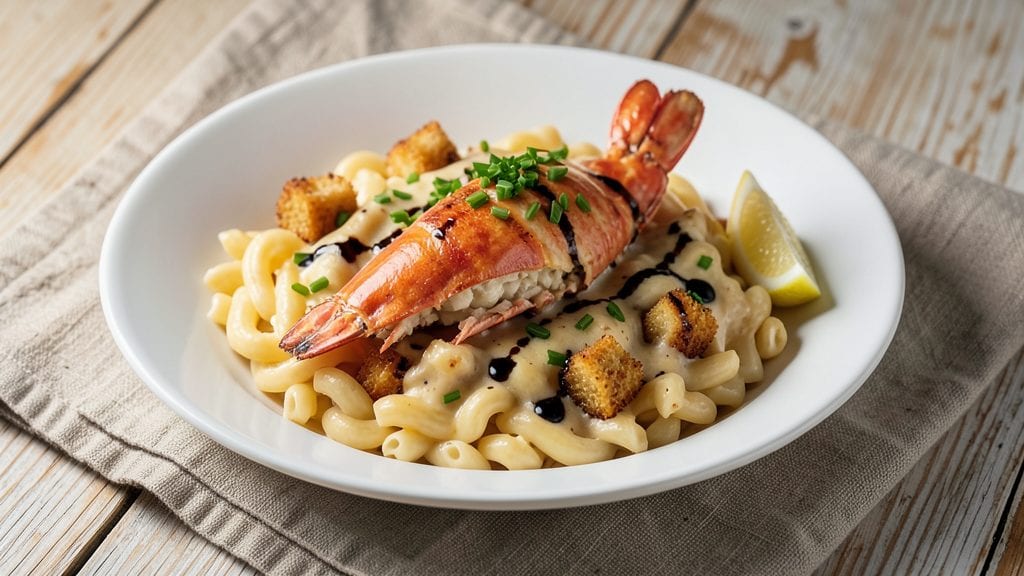
This Barefoot Contessa lobster mac and cheese recipe transforms a classic comfort dish into something luxurious—where tender lobster meat meets a velvety cheese sauce and crispy breadcrumb topping. The secret lies in perfectly cooked lobster and a sauce so rich it clings to every strand of pasta without breaking.
I’ve refined this version to deliver that signature Barefoot Contessa balance of decadence and simplicity, ensuring every bite feels like a restaurant-worthy indulgence.
The lobster starts with butter-poached tails, keeping the meat impossibly tender while infusing it with subtle garlic and white wine. Meanwhile, the cheese sauce builds in layers—sharp cheddar, Gruyère for nuttiness, and a touch of cream cheese for that signature creaminess.
The pasta cooks just shy of al dente so it absorbs the sauce without turning mushy, while the breadcrumb topping achieves that crispy perfection through a precise baking technique.
What you’ll end up with is a dish that’s equal parts comforting and elegant: golden, bubbling mac and cheese with chunks of lobster peeking through the creamy sauce, all crowned with a blanket of crispy breadcrumbs.
The aroma alone will have everyone gathering at your table, and the first bite delivers that perfect harmony of textures—creamy, tender, and satisfyingly crispy all at once.
This recipe scales beautifully for gatherings, yet works just as well for a cozy weeknight dinner. The lobster prep takes just 15 minutes, and the rest is hands-off baking, making it far more impressive than it sounds. Let’s create a mac and cheese worthy of the Barefoot Contessa’s kitchen.
Ingredients for barefoot contessa lobster mac and cheese
Luxurious seafood meets comfort food in this decadent lobster mac and cheese.
| Ingredient | Amount | Notes |
|---|---|---|
| Lobster Tails 🦞 | 1 ½ lb | Fresh or frozen, thawed completely |
| Unsalted Butter 🧈 | ½ cup | European-style preferred for flavor |
| Garlic Cloves 🧄 | 4 cloves | Fresh, minced for poaching |
| Dry White Wine 🍷 | ¼ cup | Sauvignon Blanc or Pinot Grigio |
| Heavy Cream 🥛 | 1 cup | Full-fat for optimal creaminess |
| Sharp White Cheddar Cheese 🧀 | 1 ½ cups | Shredded, aged 6+ months |
| Gruyère Cheese 🧀 | 1 cup | Freshly grated, nutty flavor |
| Cream Cheese 🧀 | 4 oz | Full-fat for texture balance |
| Pasta 🍝 | 12 oz | Cavatappi or cavatelli shape |
| Panko Breadcrumbs 🍞 | ½ cup | Japanese-style for extra crisp |
| Extra-Virgin Olive Oil 🫒 | ¼ cup | For crispy topping |
| Dried Parsley 🌿 | 1 tbsp | For garnish, finely chopped |
| Salt 🧂 | 1 ½ tsp | Diamond Crystal preferred |
| Ground Black Pepper 🌶️ | ½ tsp | Freshly ground for heat |
| Lemon Zest 🍋 | 1 tsp | Brightens the sauce |
The lobster tails are the star—fresh is ideal, but high-quality frozen works too (thaw overnight in the fridge). For the best flavor, look for cold-water lobster from Maine or Canada at specialty seafood markets like Whole Foods or Trader Joe's. If using frozen, avoid the pre-cooked kind—it's tougher. The butter matters too: European-style (like Plugrá) has more flavor than American butter. Don't skip the wine—it tenderizes the lobster and adds depth to the sauce. A dry Sauvignon Blanc works perfectly, but any crisp white will do.
No white wine? Substitute with lobster or chicken stock plus 1 tbsp lemon juice—it keeps the brightness. For the cheeses, Gruyère is non-negotiable—it gives that signature nutty flavor. Can't find it? Comté or aged Gouda work in a pinch. The cream cheese adds that signature Barefoot Contessa creaminess—full-fat only. For the pasta, cavatappi or cavatelli holds the sauce best, but any tubular shape works. If you can't find panko, regular breadcrumbs toasted in olive oil give a similar crisp. The lemon zest isn't optional—it cuts through the richness beautifully.
This dish reheats beautifully—cover with foil to keep the breadcrumbs crispy. Keeps for 3 days in the fridge, though it's best within 2 days. For the lobster tails, store uncooked in the fridge for up to 2 days or freeze for 3 months. The cheese sauce can be made ahead and reheated gently. For serving, garnish with extra parsley and cracked black pepper right before eating—it makes all the difference.
Why You'll Love This Recipe
- I’ll be real: most mac and cheese turns to glue the next day. Not this one. The wine and cream keep it silky, and the lobster stays juicy when reheated. Pack it for lunch or freeze it—no sad, dry bites here.
- No-Chop Necessary: I swear by this—just halve the lobster tails, no fancy knife work. The garlic gets minced in seconds, and the wine deglazes while you boil the pasta. Honestly, it’s the kind of recipe that lets you sip your glass of wine with the cooking.
- Lobster Luxury, Lightened: That creamy, wine-kissed sauce feels indulgent, but the lobster tails stay tender and sweet—no rubbery texture here. Between us, it’s the kind of dish that makes you forget it’s "just" mac and cheese.
- Weeknight to Dinner Party: Same recipe, different vibes. Toss it together for a lazy Tuesday (yes, even on a Tuesday night) or dress it up with fresh herbs for your in-laws. The sauce reheats beautifully, so it’s my go-to for when plans change last minute.
Step-by-step instructions for Barefoot Contessa lobster mac and cheese
Here's how to create a luxurious lobster mac and cheese with that signature crispy breadcrumb topping.
Poach the Lobster Tails in White Wine and Garlic
Bring 2 cups of water to a gentle simmer in a saucepan over medium heat. Add the 4 cloves minced garlic cloves and 0.25 cup dry white wine, stirring to combine. The mixture should smell intensely aromatic—this is your flavor foundation.
Add the 1.5 lb lobster tails, shell-side up, and gently poach for 3-4 minutes until the meat becomes opaque and just begins to flake at the edges. Remove the lobster with tongs and let cool slightly before picking the meat from the shells. Reserve the poaching liquid—it's packed with flavor and will be used later in the sauce.
Prepare the Rich Cheese Sauce
In a large pot, melt 0.5 cup unsalted butter over medium-low heat. Whisk in 1 cup heavy cream and 0.5 cup of the reserved poaching liquid, bringing to a gentle simmer. This creates a velvety base that won't curdle when the cheese is added.
Reduce heat to low and gradually whisk in the 1.5 cups sharp white cheddar cheese, 1 cup gruyère cheese, and 4 oz cream cheese until fully melted and smooth. Season with 1.5 tsp salt, 0.5 tsp ground black pepper, and 1 tsp lemon zest. The sauce should be luxuriously thick but still coat the back of a spoon—this is the perfect consistency for coating each strand of pasta.
Cook the Pasta and Combine with Sauce
Cook the 12 oz pasta (cavatappi or cavatelli) in salted boiling water until 1 minute before the package instructions for al dente. Reserve 1 cup of pasta water before draining. This starchy water is essential for creating a silky sauce.
Drain the pasta and immediately add it to the cheese sauce in the pot. Toss vigorously over medium heat for 1-2 minutes until fully coated. If the sauce begins to thicken too much, add 2-3 tablespoons of reserved pasta water at a time until it reaches a creamy, clingy consistency. Flake the cooked lobster meat into the mixture and stir gently to distribute evenly.
Assemble and Create the Crispy Topping
Transfer the mac and cheese to a greased 9x13-inch baking dish. Preheat your broiler to high while you prepare the topping. In a small bowl, combine 0.5 cup panko breadcrumbs with 0.25 cup extra-virgin olive oil and 1 tbsp dried parsley, mixing until evenly coated.
Spread the breadcrumb mixture evenly over the top of the mac and cheese, pressing down gently with the back of a spoon. Place the baking dish on a baking sheet (to catch any drips) and broil for 3-5 minutes until the topping is deep golden brown and crispy. Watch closely—it burns quickly at this high heat.
Rest and Serve with Perfect Texture
Remove from the broiler and let the mac and cheese rest for 5 minutes before serving. This resting period allows the sauce to set slightly and the flavors to meld together. The crispy breadcrumb topping should hold its shape while still being crunchy, and the lobster meat should be tender with just a hint of pink in the center.
Serve immediately with a side of a simple arugula salad dressed with lemon vinaigrette. The contrast between the creamy mac and cheese and the peppery greens makes each bite even more satisfying. The combination of rich cheeses, delicate lobster, and crispy topping creates a dish that feels indulgent yet balanced.
Pro Tips For Making Barefoot Contessa Lobster Mac And Cheese
- Chill the Lobster First: Pop those lobster tails in the freezer for 15 minutes before cooking—it tightens the meat so it stays plump. I learned this the hard way when my first batch turned out rubbery because I skipped it. Trust me, it’s worth the wait.
- Deglaze with Wine Heat: Bring that white wine to a simmer before adding it to the pan with garlic and butter. Cold wine just sits there, but warm wine releases flavor instantly. Sounds picky, but it makes a real difference in the sauce’s depth.
- Don’t Boil the Cream: The heavy cream in this recipe should simmer gently, not boil like a pot of oatmeal. Once it hits a full boil, it separates, and you’re left with a sad, lumpy mess. Keep it at a low bubble—this isn’t a race.
- Toast the Garlic Low: Sauté those garlic cloves in butter over medium-low heat until golden, not brown. Burnt garlic tastes bitter and overpowers the dish. If you’re impatient (like me), just keep an eye on it—it’s easy to fix if you go too far, but why bother?
Wine and beer pairings for these flavors
Crisp White Wine Pairing
This dish calls for a dry, crisp white wine that complements the lobster's sweetness without overpowering the rich cheese sauce. I reach for a Sauvignon Blanc from New Zealand—its bright citrus and herbal notes cut through the creaminess while enhancing the lobster's natural brininess.
A French Sancerre also works beautifully, with its flinty minerality balancing the dish's decadence. 🍷
Chilled Rosé for Summer
When serving this mac and cheese during warmer months, a chilled rosé becomes my go-to. I love a Provence-style rosé with its delicate strawberry and melon flavors—it refreshes the palate between each creamy bite.
Avoid overly sweet rosés; opt for one with dry, crisp acidity to maintain harmony with the dish.
Craft Beer Options
For beer lovers, a Belgian witbier like Hoegaarden offers a perfect match with its coriander and citrus notes. The effervescence cleanses the palate between bites of rich mac and cheese.
Alternatively, a light lager with subtle malt sweetness—such as Peroni—provides a smooth, neutral backdrop that lets the dish shine. 🍺
After-Dinner Digestif
To finish the meal, I suggest a small glass of tawny port or dry sherry. The nutty, caramelized flavors of a 10-year tawny port complement the Gruyère and lobster beautifully, while a Fino sherry adds a crisp, saline note that refreshes the palate.
Serve at room temperature for the best experience.
Non-Alcoholic Pairings
For those skipping alcohol, a sparkling apple cider with a hint of ginger adds refreshing acidity. Alternatively, a cucumber-mint infused water with a squeeze of lemon enhances the dish's brightness. Both options keep the meal light while respecting dietary preferences.
Seasonal Wine Swaps
In autumn, I swap to a Chardonnay with lees for its toasty, vanilla notes that pair with the dish's richness. For winter, a Viognier with its floral and stone fruit flavors provides warmth. Each seasonal choice enhances the lobster mac and cheese's evolving character throughout the year. ✨
Nutrition facts
Frequently asked questions
Can I substitute lobster with another seafood for this recipe?
Yes, but the texture and flavor will differ. Shrimp (peeled and deveined) works best—use 1 lb cooked and chilled. For a richer option, try crabmeat (1.5 cups lump or chunk), but avoid fish like salmon or tilapia as they can make the dish too heavy. Always poach or cook seafood separately to maintain tenderness.
Why does the cheese sauce sometimes separate or get grainy?
This usually happens from adding cheese too quickly or using cold ingredients. Always melt butter first, then warm cream and poaching liquid before whisking in cheeses. Keep heat on low and whisk constantly. If it thickens too much, add 1-2 tbsp reserved pasta water to restore creaminess.
Can I make this mac and cheese ahead of time?
Assemble the dish up to 24 hours ahead, refrigerate covered, then bake when ready to serve. For the best texture, broil for 2-3 extra minutes to crisp the topping. Alternatively, make the cheese sauce and poach lobster ahead—just reheat gently before combining with pasta and baking.
What's the secret to perfectly crispy breadcrumbs?
The key is even distribution and high heat. Press the breadcrumb mixture firmly onto the mac and cheese, then broil on high for 3-5 minutes—watch closely to avoid burning. For extra crispiness, toast the panko in a dry pan with 1 tbsp butter before mixing with olive oil.
How do I know when the lobster is cooked perfectly?
Lobster should be opaque and just beginning to flake at the edges when poached for 3-4 minutes. If it's still translucent, cook 30 seconds longer**. Overcooking makes it rubbery. For extra safety, check the thickest part of the tail—it should reach 145°F internally. Let it rest 2 minutes before serving.