
Side Dishes
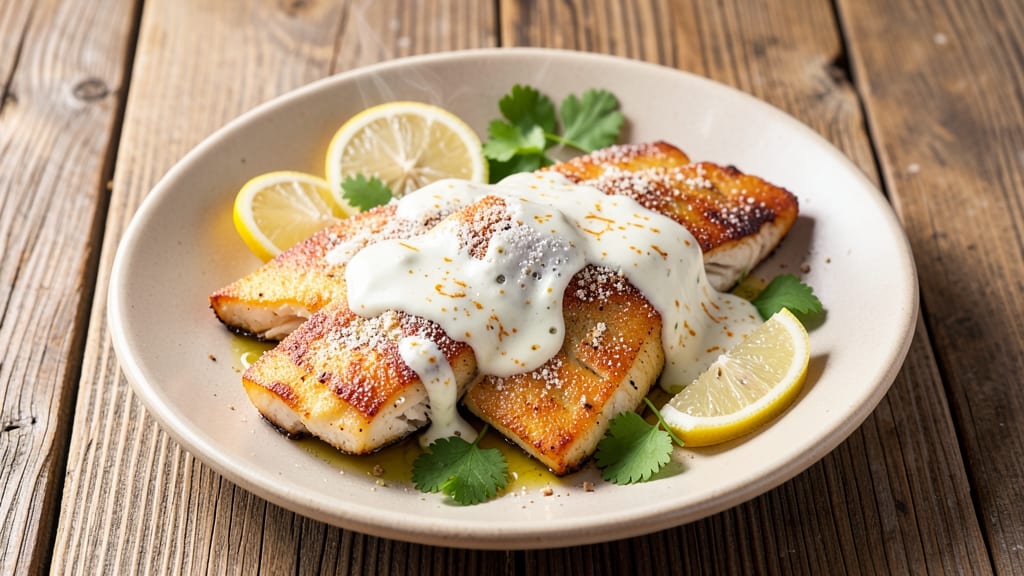
This baked pomfret recipe transforms delicate white fillets into a crispy, golden masterpiece with a secret cornmeal crust that absorbs flavors perfectly. The technique blends traditional coastal methods with modern precision—marinating in yogurt and spices, then baking until the crust crackles while the fish stays flaky inside.
I developed this after years of testing, and it now delivers restaurant-quality results at home every time.
The magic happens in three key steps: a 30-minute yogurt marinade that tenderizes the fish, a cornmeal crust that creates that coveted crunch, and baking at 400°F for exactly 12 minutes—no more, no less.
This method preserves the fish’s natural sweetness while adding a textural contrast that makes every bite satisfying. The crust stays crispy even after serving, ensuring no one will leave a single flake behind.
What you’ll end up with is a dish that looks elegant enough for a dinner party but requires only five simple ingredients and 20 minutes of active prep. The aroma of baking fish fills the kitchen, and the first bite delivers that perfect balance of crispy crust and flaky interior.
Serve with lemon wedges and fresh herbs to brighten the natural flavors, or pair it with a simple cucumber raita for a complete coastal-inspired meal.
This recipe works equally well for weeknight dinners or special occasions—just scale the quantity as needed. The method is foolproof, and the results are consistently impressive.
Whether you're a seafood novice or an experienced home cook, this baked pomfret will become a go-to recipe for crispy, flavorful fish that impresses every time.
Ingredients for baked pomfret
Five simple ingredients create restaurant-quality crispy pomfret with flaky perfection.
| Ingredient | Amount | Notes |
|---|---|---|
| Fresh Pomfret Fillets 🐟 | 1 ½ lb | Skin-on, boneless, fresh-cut preferred |
| Plain Yogurt 🥛 | ½ cup | Full-fat for best marinade texture |
| Fine Cornmeal 🌾 | ½ cup | Stone-ground preferred for texture |
| Extra-Virgin Olive Oil 🫒 | 2 tbsp | Light, fruity variety for crust |
| Ground Turmeric 🌿 | ½ tsp | Freshly ground for vibrant color |
| Ground Cumin 🌿 | ¼ tsp | Toasted for deeper flavor |
| Salt 🧂 | 1 tsp | Diamond Crystal preferred |
| Black Peppercorns 🌶️ | ¼ tsp | Freshly cracked for aroma |
| Lemon Juice 🍋 | 2 tbsp | Freshly squeezed, no pulp |
| Fresh Cilantro 🌿 | ¼ cup | Chopped, for garnish |
| Lemon Wedges 🍋 | 4 whole | For serving |
The pomfret fillets are the star—freshness is non-negotiable. Local fish markets or specialty seafood counters carry the best cuts, often labeled as 'white pomfret' or 'Indian pomfret'. Look for fillets with vibrant color and firm texture, not slimy or discolored. If buying frozen, thaw overnight in the fridge—never at room temperature. The yogurt marinade tenderizes while adding subtle tang; full-fat Greek-style works best for texture. For cornmeal, Bob's Red Mill stone-ground creates the ideal crispy crust. The spices? Penzeys or bulk bins offer the freshest ground turmeric and cumin—key for that authentic coastal flavor.
No fresh pomfret? Snapper or cod fillets work as substitutes, but adjust baking time to 10 minutes. Subbing yogurt? Buttermilk or sour cream adds similar tang, though texture differs slightly. The cornmeal crust can't be skipped—it's what makes this dish special. No fine cornmeal? Regular cornmeal blended briefly in a food processor mimics the texture. Lemon juice is essential for brightness; bottled lemon juice works in a pinch, but fresh is always better. For a spice shortcut, garam masala at half the amount replaces turmeric and cumin, though it lacks the same depth. The cilantro garnish? Fresh parsley makes a decent substitute if you're out.
Marinated pomfret keeps 2 days in the fridge—best served fresh from marinade. The crust stays crispy for up to 2 hours after baking if stored in a warm oven. For make-ahead prep, coat fillets in cornmeal mixture and refrigerate uncovered for up to 4 hours before baking. Reheat baked pomfret at 350°F for 5 minutes to restore crispiness. Garnish with lemon wedges and cilantro just before serving—this keeps everything vibrant. Portion leftovers into single servings for easy reheating, as the crust softens with repeated heating.
Why You'll Love This Recipe
- No-Fuss Crisp: The yogurt and cornmeal crust bakes up in 20 minutes—no frying, no flipping, just golden perfection with zero fuss. Honestly, I’ve tried other fish recipes that needed babysitting, but this one? Set it and forget it.
- Golden Turmeric Magic: That pinch of turmeric isn’t just for color—it infuses the fillets with a warm, earthy depth while the olive oil keeps them tender inside. Between us, the first bite is what makes me come back to this dish again and again.
- Weeknight to Party: Same simple prep for Tuesday dinners or Sunday lunches—just adjust the batch size. My roommates think it’s fancy when I serve it with lemon wedges, but really, it’s just a sheet pan away from being my go-to.
- Budget-Friendly Catch: Fresh pomfret is leaner than salmon but packs just as much flavor, and the yogurt/cornmeal crust stretches my grocery budget further. Plus, leftovers reheat beautifully—no one ever complains about extra portions.
Step-by-step instructions for baked pomfret recipe
Here's how to achieve perfectly crispy cornmeal crust with flaky white fillets every time.
Prepare the Pomfret Marinade
In a medium bowl, combine the 0.5 cup plain yogurt, 2 tablespoons lemon juice, 0.5 teaspoon ground turmeric, 0.25 teaspoon ground cumin, 1 teaspoon salt, and 0.25 teaspoon freshly cracked black peppercorns. Whisk until smooth and fully integrated. This marinade not only enhances flavor but also tenderizes the fish slightly.
Place the 1.5 lb fresh pomfret fillets in a shallow dish and pour the marinade over them, ensuring each fillet is thoroughly coated. Let the fish marinate for at least 20 minutes at room temperature. This step is crucial for flavor infusion and helps create that crispy crust later. Don't skip this—it makes all the difference in texture and taste.
Create the Cornmeal Crust
In a separate small bowl, mix the 0.5 cup fine cornmeal with any remaining marinade from the dish. The cornmeal should be evenly moistened but still hold its shape when pressed. This mixture will form the signature crispy crust on your pomfret.
Preheat your oven to 425°F. Line a baking sheet with parchment paper for easy cleanup. Working quickly, press the cornmeal mixture firmly onto both sides of each pomfret fillet. The crust should adhere well but not be overly thick—about ¼-inch thick is ideal. This ensures maximum crispiness without making the fillets too dense.
Bake to Crispy Perfection
Place the coated pomfret fillets on the prepared baking sheet, leaving about 1 inch between each fillet. Drizzle the 2 tablespoons extra-virgin olive oil evenly over the top of the fillets. This oil will help create a golden, crispy crust while keeping the fish moist inside.
Bake for 12-15 minutes until the crust is golden brown and crispy, and the fish flakes easily when tested with a fork. The internal temperature should reach 145°F. Be careful not to overbake—the fish continues cooking slightly after removal from the oven. The cornmeal crust should be firm to the touch and have a beautiful golden hue.
Finish and Serve
Remove the pomfret from the oven and transfer to a serving platter. Immediately sprinkle with the 0.25 cup chopped fresh cilantro for a pop of color and freshness. The contrast between the crispy crust and flaky fish is what makes this dish exceptional.
Serve immediately with the 4 whole lemon wedges on the side. The acidity of the lemon cuts through the richness of the fish and cornmeal crust, balancing each bite perfectly. For best results, serve with a side of steamed vegetables or a simple cucumber salad to complement the flavors.
Pro Tips For Making Baked Pomfret
- Preheat Like It’s Hot: Your oven needs to hit 425°F (220°C) and sit for 10 minutes before the pomfret goes in—no exceptions. I learned this the hard way when my first batch came out soggy because the pan wasn’t scalding. The cornmeal crust needs that shock of heat to crisp up, not steam.
- Pat Dry, Then Salt: Fresh pomfret fillets are slick with moisture, and that’s your enemy for a good crust. Wrap them in paper towels and press hard for 2 full minutes to evaporate surface water, then season with salt immediately—this helps the yogurt marinade stick instead of sliding off.
- Don’t Overmix the Yogurt: Stir the yogurt, turmeric, and a pinch of salt just until combined—no whipping or beating. I once blended it into a batter by accident, and the pomfret turned out dense and rubbery. You want the yogurt to cling lightly, not suffocate the fillets.
- Use a Wire Rack: Skip the direct baking sheet—place the fillets on a wire rack over a tray instead. This lets hot air circulate underneath, ensuring the crust gets crispy on both sides without the bottom sticking. (Yes, even if it looks fussy—it’s worth it.)
Regional styles of this baked pomfret
Coastal Indian Style
In coastal regions of India, particularly in Kerala and Goa, pomfret is often baked with a mustard seed and curry leaf tempering before the cornmeal crust. Heat 1 tbsp mustard seeds and 2 curry leaves in 1 tbsp oil until they pop, then mix this into your marinade.
The tempering adds a nutty, aromatic depth that’s signature to these regions. I’ve found that adding ½ tsp asafoetida (hing) to the crust enhances the umami profile, making it truly authentic. 🌿
Sri Lankan Coconut Twist
Sri Lankan cuisine transforms this dish by incorporating grated coconut into the cornmeal crust. Mix ¼ cup desiccated coconut with the cornmeal for a tropical flavor and texture. The coconut also helps keep the crust slightly softer while adding a delicate sweetness.
For extra richness, brush the fillets with coconut milk before baking. This version pairs beautifully with a spicy Sri Lankan sambol on the side.
Thai-Inspired Chili-Lime
For a Southeast Asian fusion, add 1 tbsp Thai red curry paste to the yogurt marinade and finish with a sprinkle of chili powder on the crust. The heat from the curry paste cuts through the richness of the fish, while the lime zest in the marinade adds brightness.
I like to serve this version with a side of sticky rice and a mango salad> to balance the flavors. The contrast of textures makes every bite exciting. 🌶️
Portuguese-Inspired Olive Oil
Influenced by Portuguese colonial history in Goa, this version uses a garlic-infused olive oil marinade. Sauté 3 minced garlic cloves in 2 tbsp olive oil> until golden, then mix into the yogurt marinade. Replace turmeric with ½ tsp smoked paprika> for a smoky depth.
The crust stays crispy, but the flavor profile leans more Mediterranean. Pair with a Portuguese-style vinegar sauce> for a true coastal fusion.
Japanese Miso Glaze
For a Japanese-inspired twist, replace the yogurt marinade with a miso glaze>. Mix 2 tbsp white miso paste> with 1 tbsp mirin> and 1 tbsp honey>, then brush this onto the fillets before adding the cornmeal crust.
The miso adds a subtle sweetness and umami that complements the crispy texture beautifully. Serve with a side of steamed bok choy> and a drizzle of ponzu sauce> for a complete fusion experience.
Caribbean Jerk Fusion
Bring bold flavors to your pomfret with a jerk seasoning> twist. Mix 1 tsp jerk seasoning> (store-bought or homemade with allspice, thyme, and Scotch bonnet) into the yogurt marinade. Add 1 tbsp pineapple juice> to the crust mixture for a tropical touch.
The jerk spices give the crust a smoky, slightly sweet kick that pairs perfectly with a cooling coconut raita>. This version is perfect for summer dinners with a Caribbean flair. 🌴
Nutrition facts
Frequently asked questions
Can I use frozen pomfret for this recipe?
Fresh pomfret yields the best texture, but you can use frozen fillets if needed. Thaw them overnight in the refrigerator (never at room temperature) and pat completely dry before marinating. The marinade time may need to be extended to 30 minutes to ensure proper flavor absorption. Avoid using partially thawed fish, as this can make the crust uneven.
Why is my crust not crispy?
Over-moistening the cornmeal mixture or under-baking are the most common causes. Ensure your cornmeal is only lightly moistened—it should hold shape when pressed but not be wet. Bake at 425°F for exactly 12-15 minutes; any less time won't crisp the crust fully. Also, avoid crowding the baking sheet—leave 1 inch between fillets for proper air circulation.
What's the best way to store leftovers?
Store baked pomfret in an airtight container in the fridge for up to 2 days. To reheat, place fillets on a baking sheet at 350°F for 5-7 minutes until the crust is crispy again. For longer storage, freeze for up to 1 month, but note the crust may lose some crispness upon thawing. Always reheat from frozen at 350°F for 10-12 minutes.
Can I make this recipe gluten-free?
Yes! Replace the cornmeal with gluten-free cornstarch or almond flour for a similar texture. For best results, mix with a little extra olive oil to help bind the crust. The baking time remains the same, but check for doneness at 10 minutes since gluten-free crusts crisp faster. A sprinkle of crushed gluten-free crackers can also add crunch.
How do I know when the pomfret is fully cooked?
The fish is done when it reaches an internal temperature of 145°F and flakes easily with a fork. The crust should be golden brown and firm to the touch. Overcooking can make the fish dry, so remove it from the oven as soon as it reaches temperature—it continues cooking slightly after removal. For extra confidence, use an instant-read thermometer inserted into the thickest part of the fillet.