
Main Courses
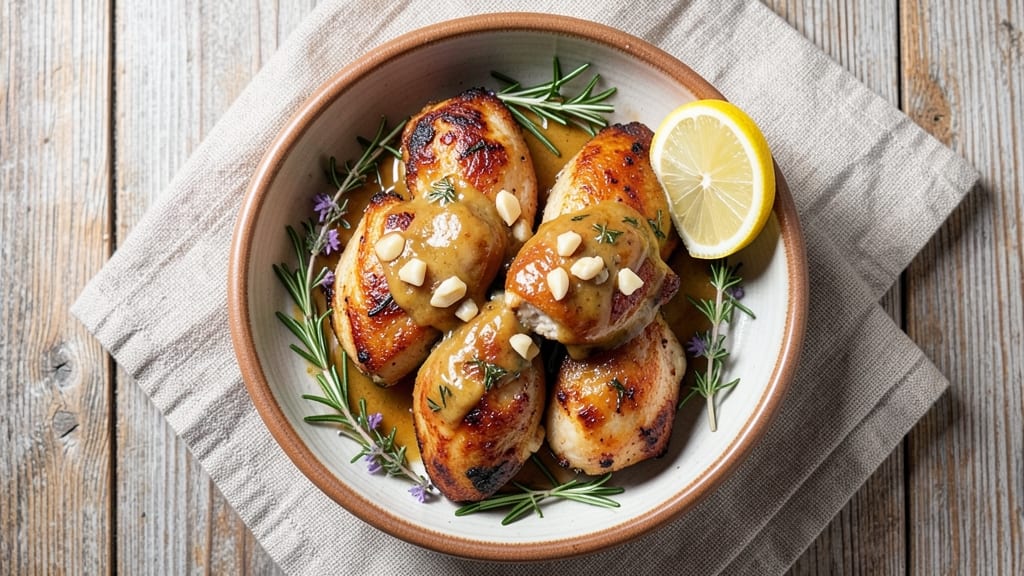
This baked chicken hearts recipe transforms an often-overlooked cut into a restaurant-worthy centerpiece with a herby butter baste that locks in deep, savory flavor. After years of experimenting with tougher poultry cuts, I discovered chicken hearts deliver tender, juicy results when cooked low and slow with the right technique.
The secret lies in the butter baste—rich, aromatic, and infused with fresh herbs—that keeps the meat moist and packed with flavor.
What makes this recipe stand out is its foolproof method for handling chicken hearts, which require careful preparation to avoid toughness. You'll start by trimming and scoring the hearts, then marinating them in a blend of garlic, lemon, and olive oil to tenderize and infuse flavor.
The herby butter baste, applied every 15 minutes during baking, ensures golden-brown edges and juicy, flavorful meat that falls apart easily.
By the time these hearts emerge from the oven, they'll be tender, caramelized, and bursting with herby richness—ready to be served over mashed potatoes, in a hearty salad, or alongside roasted vegetables.
The butter baste creates a glossy, flavorful crust that makes every bite irresistible, while the marinade adds layers of brightness and depth. This is the kind of dish that turns a simple weeknight dinner into something truly special.
For extra flavor, consider brining the hearts for 30 minutes before marinating, or finish them with a quick glaze of honey and mustard for a touch of sweetness. The recipe scales easily, making it perfect for feeding a crowd or prepping ahead for meal prep.
Let's get started on this transformative, flavor-packed dish that proves even the humble chicken heart can shine.
Ingredients for baked chicken hearts
Transform overlooked chicken hearts into a restaurant-quality centerpiece with herby butter and precise technique.
| Ingredient | Amount | Notes |
|---|---|---|
| Chicken Hearts 🍗 | 1 ½ lb | Fresh, trimmed of excess fat |
| Unsalted Butter 🧈 | ½ cup | Cold, cubed for basting |
| Fresh Rosemary 🌿 | ¼ cup | Finely chopped, stems removed |
| Fresh Thyme 🌿 | ¼ cup | Leaves only, finely chopped |
| Garlic Cloves 🧄 | 6 cloves | Minced, fresh preferred |
| Lemon Juice 🍋 | ¼ cup | Freshly squeezed |
| Extra-Virgin Olive Oil 🫒 | ¼ cup | For marinade and scoring |
| Diamond Crystal Kosher Salt 🧂 | 1 ½ tsp | For seasoning and brining |
| Freshly Ground Black Pepper 🌶️ | 1 tsp | Coarsely cracked |
| Fresh Parsley 🌿 | ⅛ cup | Chopped, for garnish |
| Honey 🍯 | 1 tbsp | For optional glaze |
| Dijon Mustard 🥄 | 1 tbsp | For finishing glaze |
Chicken hearts demand quality and care—fresh, plump hearts from a trusted butcher or specialty grocer like Whole Foods or D'Artagnan ensure optimal texture. Trim excess fat and connective tissue meticulously, as this prevents toughness. The herbs (rosemary, thyme, parsley) should be vibrant and freshly harvested; Trader Joe's often carries excellent pre-bundled herb mixes. For the butter, European-style unsalted butter like Plugrá or Kerrygold delivers superior flavor depth. The garlic should be freshly minced—pre-minced garlic lacks the aromatic punch needed here.
No fresh herbs? Dried rosemary and thyme at one-third the amount work in a pinch, though fresh is ideal for that bright, aromatic quality. Substituting avocado oil for olive oil in the marinade maintains high smoke point without sacrificing flavor. For the honey glaze, agave nectar offers a neutral alternative if honey isn't available. The Dijon mustard adds tangy complexity—if unavailable, whole-grain mustard thinned with water replicates the texture. For a deeper marinade, consider adding 1 tbsp white wine vinegar to the lemon juice for extra brightness.
Prep the hearts by scoring a shallow crosshatch pattern on the meaty side—this ensures even cooking and flavor penetration. Store fresh herbs in damp paper towels within sealed containers for up to 5 days in the refrigerator. The herby butter basting mixture can be prepped 1 day ahead and stored in the fridge, though the butter should be cold when used. Leftover hearts reheat beautifully—350°F for 10-15 minutes restores their juicy perfection. For meal prep, portion into airtight containers with a drizzle of olive oil to maintain moisture for up to 3 days.
Why You'll Love This Recipe
- Hands-Off Cooking: I swear by this recipe on days when I’d rather not stand at the stove. Just toss the hearts with butter, herbs, and garlic, slap them on a sheet pan, and let the oven do the work—no flipping, no fussing, just golden perfection when you pull them out.
- Herb-Packed Punch: That rosemary-thyme combo with melted butter? It’s like a little flavor bomb. The garlic sears just enough to make every bite taste like you actually cooked for hours (but you didn’t—it’s that good).
- Budget Game-Changer: Chicken hearts cost a fraction of breasts, but they feed just as many people. I’ve made this for potlucks, game days, and even my picky-eater boyfriend’s lunch—he’s not a fan of “offal,” but he cleans his plate every time.
- Leftovers That Last: These stay crispy and delicious for days. I’ll bake a big batch on Sunday, toss them into salads, or reheat with a splash of broth for a quick soup boost. Honestly, the second day is when they’re really good.
Step-by-step instructions for herby butter baked chicken hearts
Here's the method for achieving tender, flavor-packed chicken hearts with a rich herby butter crust.
Prepare the Herbed Butter Marinade
In a medium bowl, combine the 0.5 cup unsalted butter with the 0.25 cup finely chopped fresh rosemary, 0.25 cup fresh thyme, 6 cloves minced garlic cloves, 1.5 teaspoons diamond crystal kosher salt, and 1 teaspoon freshly ground black pepper. Use a fork to mash everything together until you achieve a thick, chunky paste with visible herb flecks.
This herbed butter will serve as both a flavor carrier and basting agent. The cold butter should soften slightly but maintain its shape when pressed. If the mixture feels too dry, add 1 tablespoon of the extra-virgin olive oil to help emulsify the herbs. Let this marinade sit at room temperature for 20 minutes before using to allow the flavors to meld.
Score and Season the Chicken Hearts
Rinse the 1.5 lb chicken hearts under cold water and pat them completely dry with paper towels. Using a sharp chef's knife, make ¼-inch deep diagonal slashes across the surface of each heart—this creates surface area for the marinade to penetrate and prevents curling during baking.
In a separate small bowl, whisk together the 0.25 cup lemon juice and 0.25 cup extra-virgin olive oil to create a quick brine. Brush this mixture evenly over the scored chicken hearts, then press the herbed butter mixture firmly into the slashes and all over the surface. The hearts should be completely coated and glistening. Let them sit at room temperature for 15 minutes while you preheat the oven.
Bake with Herby Butter Basting
Preheat your oven to 400°F and position a rack in the middle position. Place the chicken hearts on a parchment-lined baking sheet, leaving ½-inch space between each piece. Bake for 15 minutes to render some of the initial fat and develop color.
After 15 minutes, remove the baking sheet from the oven and use a spoon to scrape up any melted butter from the pan, then generously baste the chicken hearts with this herby butter. Return to the oven and continue baking for another 15-20 minutes, basting every 5 minutes, until the internal temperature reaches 165°F and the edges are deep golden brown with crispy edges. The hearts should feel firm to the touch but still yield slightly when pressed.
Create the Honey-Dijon Glaze
While the chicken hearts bake, combine the 1 tablespoon honey and 1 tablespoon Dijon mustard in a small saucepan. Place over low heat and warm for 2-3 minutes, stirring constantly, until the mixture becomes slightly runny and glossy. Remove from heat and set aside—this glaze should be thick enough to coat the back of a spoon but still pourable.
This glaze adds a perfect balance of sweetness and tang that complements the rich herby flavors. The Dijon mustard provides depth while the honey creates a beautiful sheen. Keep the glaze warm until ready to use.
Finish and Garnish
Once the chicken hearts reach 165°F internally, remove them from the oven and immediately brush each piece with the honey-Dijon glaze. Return to the oven for 1-2 minutes just to set the glaze slightly—this creates that restaurant-quality finish.
Transfer the chicken hearts to a serving platter and sprinkle generously with the 0.125 cup chopped fresh parsley. Serve immediately while the glaze is still glossy and the butter remains melted. The finished dish should have tender, juicy hearts with a crispy exterior, infused with aromatic herbs and a perfect balance of sweet and savory flavors.
Pro Tips For Making Baked Chicken Hearts
- SEAR THE HEARTS FIRST: Skip the gentle baking—hit them with a quick sear in a hot pan (3-4 minutes per side) before baking. This locks in juices and builds flavor faster than just tossing them straight into the oven. I learned this the hard way when my first batch turned out bland and chewy.
- TRIM THE FAT, NOT THE FLAVOR: Chicken hearts have a small fat cap—slice it off with kitchen shears before seasoning. Too much fat can make the butter pool instead of crisping, but don’t go overboard: leave the rest intact for moisture. (Yes, even if you’re impatient like me.)
- DON’T OVERCROWD THE PAN: Space the hearts at least ½ inch apart on the baking sheet—otherwise, they’ll steam instead of brown. I used to jam them in tight, and they’d come out soggy. A little extra time rearranging now saves you from dry, flavorless hearts later.
- USE GARLIC LIKE A BOSS: Smash the garlic cloves with the flat side of your knife before adding them to the butter—this releases more flavor. No food processor? Crush them with the bottom of a glass. (Your future self will notice the difference.)
Serving suggestions for this dish
Plating Presentation
Serve the chicken hearts on a warm platter lined with a lightly toasted rosemary sprig or a bed of fresh parsley leaves to elevate their rustic charm. Arrange the hearts in a circular pattern, slightly overlapping for visual appeal, and drizzle any remaining honey-Dijon glaze around the platter.
This creates an elegant, restaurant-worthy presentation that highlights the dish's natural beauty. 💫
Side Dish Pairings
For a hearty meal, pair these chicken hearts with creamy garlic mashed potatoes—the buttery richness balances the herby flavors perfectly. I recommend using Yukon Gold potatoes and mixing in 2 tablespoons of the leftover herby butter from the recipe.
Alternatively, a roasted root vegetable medley (carrots, parsnips, and beets) adds color and earthy sweetness.
Bread Service
Offer warm, crusty baguette slices or sourdough bread on the side for soaking up any extra glaze or butter. Toast the bread with a sprinkle of flaky sea salt and serve with a small bowl of the honey-Dijon glaze for dipping.
This adds a casual, interactive element that guests will love. 🥖
Wine Pairings
A medium-bodied red wine like Pinot Noir or Grenache complements the herby, savory notes beautifully. The acidity in these wines cuts through the richness of the butter while enhancing the garlic and rosemary flavors.
For a white option, a crisp Sauvignon Blanc with citrus notes pairs wonderfully with the lemon in the marinade.
Final Garnish Touches
Before serving, add a final garnish of microgreens or edible flowers for a touch of sophistication. A sprinkle of crushed black pepper and a few extra thyme sprigs tied with kitchen twine add both visual interest and aromatic depth.
These small details make the dish feel truly special without overpowering the natural flavors. ✨
Nutrition facts
Frequently asked questions
Why do chicken hearts need scoring before baking?
Scoring creates tiny slashes that allow marinade to penetrate deeper and prevent the hearts from curling during baking. The ¼-inch diagonal cuts also promote even cooking and help render excess fat for crispy edges. Without scoring, you risk tough, unevenly cooked meat.
Can I use frozen chicken hearts for this recipe?
Yes, but thaw them completely first in the refrigerator for 24 hours. Pat them very dry before scoring and marinating—excess moisture prevents the butter from sticking properly. Never thaw at room temperature, as this promotes bacterial growth.
What if my chicken hearts turn out dry?
Overcooking is the most common cause. Use a meat thermometer to check for 165°F internal temp—never guess! If they're slightly undercooked, return to 350°F for 5 minutes while basted with melted butter. For extra moisture, add 1 tbsp chicken broth to the marinade.
How can I make this recipe vegetarian?
Replace chicken hearts with hearts of palm or mushroom hearts (like portobello caps). Slice the mushrooms ¼-inch thick, marinate in the same herby butter mixture, and bake at 375°F for 20-25 minutes until tender. The texture won't be identical, but the flavor profile works beautifully.
Can I prep this ahead of time for meal prep?
Cook the hearts completely, let them cool, then store in an airtight container with a drizzle of olive oil. Reheat at 350°F for 10-15 minutes until warmed through. For best texture, reheat only what you plan to eat within 2 days—the glaze may thicken slightly upon reheating.