
Main Courses
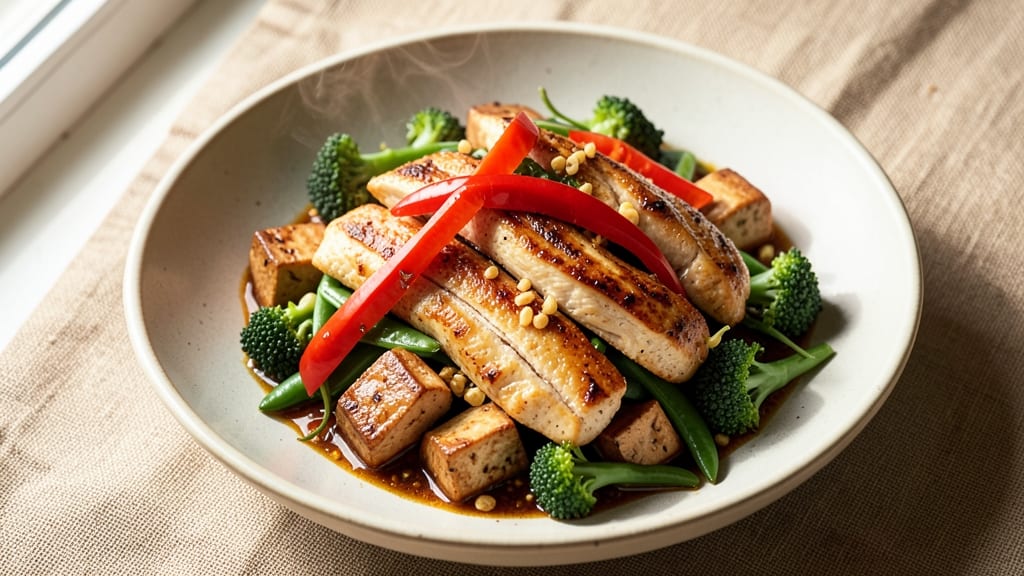
Mastering Bachan's stir fry recipe transforms simple ingredients into a restaurant-quality one-pan meal that delivers bold flavors and protein-packed satisfaction. This technique combines precise timing, high-heat cooking, and strategic ingredient selection to create a dish that's both hearty and balanced.
After perfecting it through years of testing, I've developed a method that ensures tender proteins, crisp vegetables, and a sauce that clings perfectly without overpowering.
The beauty of this stir fry lies in its versatility—adapt it to any protein you prefer, from chicken and beef to tofu or shrimp, while keeping the core technique intact.
With just one pan, you'll achieve the same wok-like results that make restaurant stir fries so appealing, all while cutting down on cleanup. The key steps involve proper prep, high-heat searing, and sauce integration at the right moment to lock in flavors.
What you'll end up with is a vibrant, protein-rich dish featuring tender meat or vegetables coated in a savory sauce that balances sweet, salty, and umami notes. The textures are perfect—crisp edges on vegetables, juicy proteins, and a sauce that's sticky yet not overwhelming.
This recipe delivers a complete meal in under 30 minutes, making it ideal for weeknight dinners or meal prep.
Serve it over steamed rice or noodles for the full experience, or enjoy it as-is for a satisfying, protein-focused dish. The method is foolproof once you understand the principles, and the results speak for themselves. Let's get cooking with this one-pan powerhouse.
Ingredients for bachan's stir fry
Transform simple proteins and vegetables into a restaurant-style stir fry with these carefully selected ingredients.
| Ingredient | Amount | Notes |
|---|---|---|
| Boneless Chicken Breast 🍗 | 1 ½ lb | Cut into 1-inch strips |
| Extra-Firm Tofu 🧇 | 14 oz | Pressed and cubed |
| Bell Peppers 🌶️ | 2 whole | Assorted colors, sliced |
| Broccoli Florets 🥦 | 2 cups | Cut into bite-sized pieces |
| Snap Peas 🌱 | 1 cup | Trimmed and halved |
| Garlic Cloves 🧄 | 6 cloves | Minced finely |
| Fresh Ginger 🌿 | 2 tbsp | Grated finely |
| Soy Sauce 🥄 | ½ cup | Low-sodium preferred |
| Oyster Sauce 🍜 | 2 tbsp | High-quality brand recommended |
| Honey 🍯 | 1 tbsp | Pure, for balance |
| Sesame Oil 🫒 | 1 tbsp | Toasted, for aroma |
| Cornstarch 🌾 | 1 tbsp | For tenderizing tofu |
| Neutral Oil 🫒 | 2 tbsp | High smoke point preferred |
| Diamond Crystal Kosher Salt 🧂 | ½ tsp | For seasoning |
| Black Pepper 🌶️ | ¼ tsp | Freshly ground |
The protein choice defines your stir fry's texture. For optimal results, chicken breast delivers consistent tenderness when cut into even strips—1-inch thickness ensures thorough cooking without drying. Extra-firm tofu must be pressed for 15 minutes to remove excess moisture; Costco or Trader Joe's sell pre-pressed blocks that save time. Bell peppers should be vibrant and firm—avoid those with soft spots. Broccoli florets should be tight and green, not yellowing. Garlic and ginger should be freshly grated or minced—pre-minced garlic lacks punch.
No soy sauce? Coconut aminos provide a similar umami profile, though with a slightly sweeter note. Substituting oyster sauce with hoisin sauce plus a pinch of MSG mimics its depth. Honey can be replaced with agave or maple syrup for vegan diets, though flavor will differ slightly. For the tofu, marinate in cornstarch slurry for 10 minutes before cooking to achieve that crisp exterior. Bell peppers can be swapped for zucchini or snap peas—just adjust cooking time as needed. Fresh ginger freezes beautifully; grate it while frozen for convenience without sacrificing flavor.
Prep ingredients in parallel to streamline cooking. Store chopped vegetables in airtight containers with a damp paper towel for 3 days in the fridge. Tofu and proteins should be cooked fresh for best texture, but prepped vegetables reheat well. The sauce components keep separately for 1 week—combine just before using. For meal prep, divide the stir fry into portioned containers and reheat in a skillet with a splash of water to restore crispness. Freeze portions for 3 months by spreading in a single layer before bagging.
Why You'll Love This Recipe
- One-Pan Magic: I swear by this recipe when I’m too tired to scrub pots—just toss everything on a sheet pan, drizzle with sauce, and let the oven do the work. The chicken and tofu get that perfect caramelized crust while the veggies stay crisp-tender, all with zero cleanup.
- Umami Bomb: That deep, savory kick from the soy-ginger glaze? It’s the star. The chicken stays juicy, the tofu absorbs just enough flavor to be addictive, and the snap peas add a satisfying crunch—like a takeout dish, but way better.
- Meal Prep MVP: I make double batches on Sundays because it reheats like a dream. The flavors actually deepened after sitting overnight, and my kids grab it for lunches—no sad, soggy leftovers here.
- Budget Flex: Chicken or tofu? Both work, and both stretch to feed four for under $15. Bell peppers and broccoli are cheap staples, and the sauce uses pantry basics. Honestly, it’s the kind of recipe I make when I’m broke but refuse to eat boring food.
Step-by-step instructions for Bachan's stir fry recipe
A balanced fusion of protein and vegetables, this one-pan stir fry delivers restaurant-quality flavor with minimal effort.
Prepare the Protein Components
Begin by cutting the 1.5 lb boneless chicken breast into 1-inch strips. Pat them dry with paper towels—this ensures a better sear later. In a separate bowl, press the 14 oz extra-firm tofu between two sheets of paper towels or clean kitchen towels, placing a heavy object on top for 15 minutes. This removes excess moisture and prevents a soggy texture. Once pressed, cut the tofu into 1-inch cubes.
In a small bowl, combine the 1 tbsp cornstarch with 2 tbsp of the neutral oil. Toss the tofu cubes in this mixture until evenly coated. This creates a light crust that mimics the texture of seared chicken. Set both the chicken and tofu aside while you prepare the vegetables.
Prep and Sauté the Vegetables
Slice the 2 whole bell peppers into ½-inch strips, ensuring even thickness for consistent cooking. Cut the 2 cups broccoli florets into bite-sized pieces and halve the 1 cup snap peas. In a large bowl, toss the prepared vegetables with 1 tbsp of the remaining neutral oil, 0.5 tsp diamond crystal kosher salt, and 0.25 tsp black pepper. This seasoning ensures the vegetables retain their natural flavor while developing a slight char.
Heat a wok or large skillet over high heat until it's smoking. Add the seasoned vegetables and stir-fry for 3-4 minutes until they begin to soften but still retain a slight crunch. Remove the vegetables from the pan and set aside. This step prevents overcrowding in the final stir-fry, which can lead to steaming instead of searing.
Cook the Protein and Aromatics
In the same wok, add the remaining 1 tbsp neutral oil and let it heat until shimmering. Add the chicken strips in a single layer and cook undisturbed for 2-3 minutes until golden brown on the bottom. Flip the chicken and cook for another 2-3 minutes until fully cooked through. Remove the chicken and set aside with the vegetables.
In the same pan, add the 6 cloves minced garlic and 2 tbsp grated fresh ginger. Stir-fry for 30 seconds until fragrant—this releases their natural oils and deepens the flavor profile. Be careful not to burn them; they cook quickly at high heat.
Combine and Sauce the Stir Fry
Return the chicken and vegetables to the wok. Add the 0.5 cup soy sauce, 2 tbsp oyster sauce, and 1 tbsp honey. Stir everything together and cook for 2-3 minutes until the sauce begins to thicken and coat the ingredients evenly. The mixture should look glossy and well-combined, with the vegetables still vibrant and the chicken tender.
Drizzle the 1 tbsp toasted sesame oil over the stir fry and toss gently to distribute. Taste and adjust seasoning if needed—add a splash of water or more soy sauce if the sauce is too thick. Serve immediately over steamed rice or noodles for the perfect balance of texture and flavor.
Rest and Serve for Optimal Texture
Let the stir fry rest for 2-3 minutes before serving. This allows the juices to redistribute, ensuring each bite is packed with flavor. Garnish with additional sesame seeds or sliced green onions if desired. The dish should have a harmonious blend of textures—crisp vegetables, tender chicken or tofu, and a glossy, well-balanced sauce.
Serve family-style to encourage sharing, as this stir fry tastes even better when enjoyed together. The combination of protein and vegetables makes it a satisfying, well-rounded meal that's both nutritious and delicious.
Pro Tips For Making Bachan'S Stir Fry
- CUT CHICKEN IN HALF: I learned this the hard way—whole chicken breasts stay tough and dry out faster. Slice each breast horizontally into two thinner cutlets (about ½-inch thick) so they cook through evenly in the stir-fry. The thinner pieces also crisp up better when they hit the pan.
- PRESS TOFU LIKE A BOSS: Skip the paper towels—wrap the tofu in a clean kitchen towel and press it under a heavy pan for 15 minutes. This removes way more moisture than just blotting, and the tofu will sear instead of steam in the pan. (Yes, even if you’re impatient like me.)
- STAGGER VEGETABLES BY SIZE: Big broccoli florets and bell pepper strips take longer to cook than snap peas. Start with the largest pieces in the pan, then add the rest in batches as they soften. This guarantees everything finishes at the same time—no mushy broccoli or crunchy peas.
- USE A LITTLE WATER: After the chicken and tofu are done, splash in 2 tablespoons of water (or chicken stock) and let it simmer for 30 seconds. This creates a light, flavorful sauce without needing extra sauce—just enough to coat everything. (Your future self will thank you.)
Serving suggestions for leftovers
Rice Pairing Basics
Jasmine rice is my go-to for this stir fry because its delicate floral aroma complements the dish's savory-sweet sauce beautifully. Cook 1 cup jasmine rice with 1.5 cups water for fluffy, separate grains.
For extra flavor, add 1 tsp toasted sesame oil to the cooking water. Serve the stir fry directly over the hot rice to meld flavors instantly. 🍚
Brown rice adds a nutty depth and takes 45 minutes to cook—use 1 cup rice to 2 cups water. The heartier texture pairs well with the dish's protein-rich components. For a shortcut, use pre-cooked microwaveable rice pouches, but add a splash of water to restore moisture after reheating.
Noodle Alternatives
Egg noodles are a classic choice—their chewy texture holds up perfectly to the stir fry's bold flavors. Cook 8 oz noodles according to package, then toss with 1 tsp sesame oil before serving. For gluten-free options, try rice noodles or buckwheat soba noodles, which add a subtle earthiness.
Ramen noodles (discard seasoning packet) provide a fun, budget-friendly twist. Boil for 2 minutes less than package instructions to maintain al dente texture. For extra richness, stir 1 tbsp butter into the noodles after cooking—it balances the stir fry's umami notes beautifully.
Garnish Game-Changers
Freshly sliced green onions add a bright, crisp contrast to the rich stir fry. Thinly slice 3 stalks and sprinkle over the top just before serving. Toasted sesame seeds (½ cup) provide nutty crunch—heat them in a dry pan for 30 seconds until golden.
For a pop of color, add ¼ cup cilantro leaves, especially if you love herby notes.
Lime wedges are essential for cutting through the dish's richness. Serve 2 wedges per person and encourage squeezing over individual portions. For a smoky finish, drizzle with 1 tsp chili oil (like Lao Gan Ma) just before eating. These garnishes elevate the dish from homemade to restaurant-quality.
Meal Prep Serving
For meal prep, divide the stir fry into airtight glass containers with a layer of rice or noodles at the bottom. Store in the fridge for 4 days—reheat in a skillet with 1 tbsp water to restore crispness.
Freeze portions for 3 months by spreading in a single layer before bagging to prevent clumping.
When reheating, add a splash of water or broth to the pan to prevent drying. For best texture, serve with freshly cooked rice or noodles rather than reheated grains. Pack extra sauce on the side for drizzling—it helps revive flavors after storage.
Dietary Adaptations
For gluten-free diets, use tamari sauce instead of soy sauce and ensure oyster sauce contains no wheat. Coconut aminos make a great substitute for both. Vegans can skip honey and use maple syrup or agave while ensuring oyster sauce is vegan-friendly (like Lee Kum Kee Vegan Oyster Sauce).
Low-carb eaters can serve the stir fry over cauliflower rice or shirataki noodles—both absorb the sauce beautifully. For extra protein, double the tofu portion or add edamame (½ cup) during the final stir. These adaptations keep the dish satisfying while meeting dietary needs.
Nutrition facts
Frequently asked questions
What makes this stir fry different from regular stir fry recipes?
This recipe uses a one-pan technique that mimics restaurant-style wok cooking while cutting cleanup time. The key difference is the cornstarch-coated tofu and high-heat searing of proteins in stages to maintain texture. The sauce integrates at the perfect moment for maximum flavor without overpowering the ingredients.
Can I substitute chicken with another protein?
Swap chicken for shrimp (peeled and deveined), beef strips (flank or sirloin), or extra-firm tofu (pressed and cubed). For shrimp, cook for 2-3 minutes per side—they cook faster than chicken. Beef requires 3-4 minutes per side for medium doneness. Adjust cooking times based on thickness.
Why does the sauce need to thicken before serving?
The sauce thickens during the final 2-3 minutes of cooking to create a glossy coating that clings to the ingredients. If it's too thin, the flavors will pool at the bottom instead of evenly distributing. For extra thickness, mix 1 tsp cornstarch with 1 tbsp water and stir in at the end. The sauce should coat the back of a spoon when done.
What if I don't have a wok?
A large skillet or cast-iron pan works perfectly—just ensure it's heavy enough to retain heat. For even better results, use a 12-inch nonstick pan with high sides to prevent splatter. The key is maintaining high heat throughout the cooking process. If your pan isn't wide enough, cook in batches to avoid overcrowding.
How do I prevent the tofu from getting soggy?
Press the tofu for 15 minutes before cubing to remove excess water, then toss it in a cornstarch-oil slurry for a crisp exterior. Cook it in the second batch (after removing chicken) to avoid steaming. For extra insurance, pat the tofu dry with paper towels before pressing. This method ensures a firm, satisfying bite.