
Appetizers
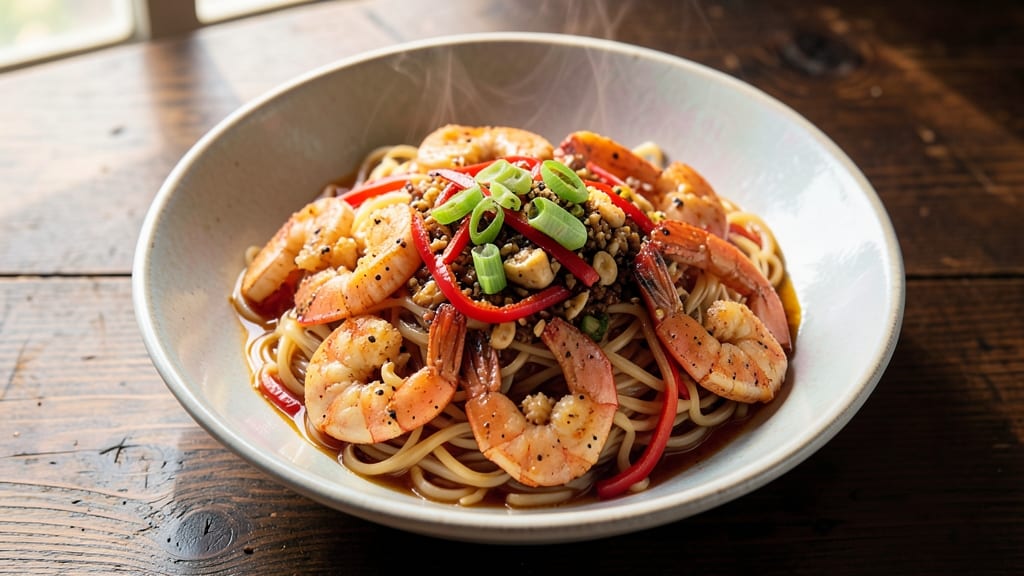
This authentic shrimp lo mein recipe delivers the restaurant-quality wok-tossed noodles you crave, with tender shrimp, crisp vegetables, and a deep umami sauce that balances sweet, salty, and tangy notes. The secret lies in proper wok technique—high heat and constant tossing—to achieve that signature smoky "breath of the wok" flavor.
I've perfected this recipe after years of testing, ensuring every bite delivers the bold, complex taste of a Chinese street-side stall.
What sets this dish apart is the sauce—a carefully balanced blend of soy sauce, oyster sauce, and a touch of sugar—that coats each ingredient without overpowering the natural flavors.
Fresh ingredients like scallions, garlic, and ginger form the aromatic base, while the shrimp adds a delicate sweetness that complements the chewy noodles. The recipe is designed to be precise yet flexible, allowing you to adjust spice levels or swap vegetables based on what you have on hand.
By the time you're done, you'll have a steaming plate of golden-brown noodles tossed with perfectly cooked shrimp, vibrant vegetables, and a glossy sauce that clings to every strand. The aroma alone will have everyone at the table anticipating that first bite—crisp, tender, and packed with layers of flavor.
This isn't just a dish; it's an experience that brings the energy of a bustling Chinese kitchen to your home.
Serve immediately for the best texture, but don't be surprised if it disappears faster than you can say "wok-hei." The leftovers, though, reheat beautifully—just toss with a splash of water to revive the sauce.
Perfect for weeknight dinners or impressing guests, this recipe proves you don't need a restaurant to enjoy authentic lo mein.
Ingredients for authentic shrimp lo mein
Pantry staples meet fresh market finds for this wok-tossed masterpiece.
| Ingredient | Amount | Notes |
|---|---|---|
| Dried Lo Mein Noodles 🍜 | 8 oz | Rice or wheat variety preferred |
| Large Shrimp (Peeled & Deveined) 🦐 | 1 lb | Frozen works, thaw completely |
| Scallions 🧅 | ½ lb | White and green parts separated |
| Garlic Cloves 🧄 | 6 cloves | Minced for aromatic base |
| Fresh Ginger 🌿 | 1 ½ tbsp | Grated, not powdered |
| Red Bell Pepper 🍅 | 1 whole | Thinly sliced, any color |
| Carrots 🥕 | 1 whole | Julienned, medium size |
| Sesame Oil 🫒 | 1 tbsp | Toasted, not flavored |
| Light Soy Sauce 🥫 | ½ cup | Kikkoman preferred |
| Oyster Sauce 🍲 | 2 tbsp | Lee Kum Kee brand |
| Honey 🍯 | 1 tbsp | Pure, not imitation |
| Cornstarch 🌾 | 1 tbsp | For velveting shrimp |
| Vegetable Oil 🫒 | ½ cup | High smoke point |
| White Pepper 🌶️ | ½ tsp | Freshly ground preferred |
| Sesame Seeds 🌱 | 1 tbsp | Toasted for garnish |
The noodles are the foundation—dried lo mein noodles hold up best to wok tossing, but fresh egg noodles work too (they'll be less chewy). Costco or Asian markets carry them in bulk, which is a must for this recipe. Shrimp quality matters here: frozen, peeled, and deveined is fine, but make sure they're 21-25 count per pound for perfect tenderness. The scallions? White parts only for cooking, green for garnish—don't skip either. Garlic and ginger should be freshly grated or minced (the powdered stuff just doesn't cut it).
No oyster sauce? Substitute with 1 tbsp soy sauce plus 1 tsp fish sauce—it won't be identical, but close. Running out of sesame oil? Toasted peanut oil works in a pinch, though the flavor will be different. The carrots can be baby carrots if that's what's in the fridge, but julienned is ideal for even cooking. For the bell pepper, any color works—just make sure it's fresh. The cornstarch is non-negotiable for velveting the shrimp, but if you're in a bind, arrowroot powder at the same amount will work too.
This dish is all about timing—everything needs to be prepped and ready before you hit the wok. Shrimp cooks in 2-3 minutes max, so have your sauce ready to go. Leftovers? Store in an airtight container for 2 days, but honestly, it's better fresh. Reheat with a splash of water to revive the sauce. Garnish with toasted sesame seeds and extra scallions right before serving—trust me on this.
Why You'll Love This Recipe
- No-Fuss Noodle Magic: I swear by the dried lo mein noodles here—they’re pre-steamed and ready in minutes, no soaking or fussing. Just toss them in boiling water, drain, and you’re already halfway to dinner.
- Ginger-Garlic Crunch: That fresh ginger and minced garlic? They’re the secret weapons. The shrimp gets a fragrant, slightly spicy kick that pairs perfectly with the crisp-tender noodles—like a warm hug in a bowl.
- Leftover Lover: This recipe actually improves the next day. The noodles soften just right, and the shrimp stays juicy. I make it on Sundays and portion it out for quick lunches—zero regret, all reward.
- Budget Date Night: Shrimp might sound fancy, but it’s way more affordable than you’d think. A pound of peeled shrimp and a few pantry staples feed two for under $15, and it’s way classier than takeout. (Yes, even on a Tuesday night.)
Step-by-step instructions for authentic shrimp lo mein
Here's how to make restaurant-style shrimp lo mein with perfectly wok-tossed noodles and a rich umami sauce.
Prepare the Shrimp and Vegetables
Start by prepping the shrimp - place the 1 lb large shrimp (peeled & deveined) in a bowl and toss with 1 tbsp cornstarch and 0.5 tsp white pepper. This creates a light coating that helps the shrimp stay tender while developing a subtle sheen. Let them sit for 10 minutes while you prep the vegetables.
Slice the 1 whole red bell pepper into thin strips and julienne the 1 whole carrots into matchstick-sized pieces. Separate the 0.5 lb scallions into white and green parts - you'll use the whites for cooking and the greens for garnish later. Mince the 6 cloves garlic cloves and grate the 1.5 tbsp fresh ginger. Keep all your chopped vegetables in separate piles to make assembly easier.
Cook the Shrimp and Vegetables
Heat 0.5 cup vegetable oil in a wok or large skillet over medium-high heat until shimmering. Add the shrimp in a single layer and cook for 1-2 minutes per side until they turn pink and opaque. Remove them and set aside. You want them just cooked through - they'll finish in the sauce.
In the same wok, add 0.25 cup vegetable oil and swirl to coat. Add the white parts of the scallions, garlic, and ginger, cooking for 30 seconds until fragrant. Add the bell pepper and carrots, stirring constantly for 2 minutes until they begin to soften but still retain a slight crunch. This quick cooking preserves their texture while building flavor.
Create the Umami Sauce
Lower the heat to medium and add 0.5 cup light soy sauce, 2 tbsp oyster sauce, and 1 tbsp honey to the wok. Stir constantly for 1 minute until the sauce begins to thicken slightly. This is where the authentic umami flavor develops - the combination of soy, oyster sauce, and honey creates that signature lo mein taste.
Return the shrimp to the wok and stir to coat everything in the sauce. Add 1 tbsp sesame oil and toss everything together for 30 seconds. The shrimp should be fully coated with the sauce but still maintain their shape. Taste and adjust seasoning if needed - you might want to add a pinch more soy sauce or white pepper.
Cook the Noodles and Combine
While the shrimp and vegetables cook, bring a large pot of water to a boil and cook the 8 oz dried lo mein noodles according to package instructions until al dente (usually 3-4 minutes). Drain and rinse briefly with cold water to stop the cooking process, then toss with 1 tbsp toasted sesame oil to prevent sticking.
Add the cooked noodles to the wok with the shrimp mixture and toss everything together vigorously for 1-2 minutes over medium-high heat. The high heat helps create that signature wok-tossed texture. If the noodles seem dry, add 1-2 tablespoons of hot water from the noodle pot to create steam and help everything cling together.
Finish and Serve
Transfer the lo mein to serving plates and garnish with the green parts of the scallions and 1 tbsp toasted sesame seeds. The sesame seeds add a nice textural contrast and enhance the aroma. Serve immediately while the noodles are hot and the sauce is glossy.
For an authentic presentation, pile the noodles high on the plate and arrange the shrimp and vegetables on top. The dish should look vibrant with the red bell peppers, orange carrots, and green scallions creating a colorful contrast. Each bite should deliver perfectly cooked shrimp, tender vegetables, and noodles coated in that rich umami sauce.
Pro Tips For Making Authentic Shrimp Lo Mein
- STIR-FRY SHRIMP FAST: Don’t overcrowd the pan—cook the shrimp in batches if needed. I learned this the hard way when my first attempt turned into a sad, steamed mess instead of a quick sear.
- SLICE GINGER THIN: Use a mandoline or sharp knife to get paper-thin slices—this ensures it infuses flavor without turning the sauce into a chunky soup. My grandmother swore by this, and she was right.
- SOAK NOODLES JUST ENOUGH: Dried lo mein needs 30-45 seconds in boiling water—no more. Over-soaking makes them mushy, and you’ll end up with a soggy pile instead of chewy strands. Trust the process.
- SAVE THE SCALLION GREENS: Reserve the tops for garnish—they add freshness and color. I used to toss them all in, and the dish lost that bright, restaurant-style finish. Keep them separate until the very end.
Common mistakes when making great authentic shrimp lo mein
Overcooking Shrimp
Shrimp cooks in a flash—2-3 minutes max—so timing is everything. I’ve seen beginners leave them in the wok too long, turning them rubbery and dry.
The moment they turn pink and opaque, they’re done. Remove them immediately and set aside. If you’re unsure, slightly undercook them—they’ll finish in the sauce. 🦐
Skipping Velveting
The cornstarch and white pepper coating isn’t just for flavor—it’s a game-changer. Without it, shrimp can turn tough or absorb too much sauce, losing their delicate texture. Toss them in the mixture for 10 minutes before cooking.
This step ensures they stay tender and develop that glossy sheen. Trust me, it’s worth the extra time.
Low Wok Heat
Authentic lo mein requires high heat to create that signature wok-hei (breath of the wok) flavor. If your wok isn’t hot enough, the shrimp and veggies will steam instead of sear, and the sauce won’t cling properly.
Heat your wok until oil shimmers, then keep the flame high while tossing. A 14-inch carbon steel wok works best, but a heavy skillet in a pinch will do.
Overcrowding the Wok
Don’t overload your wok—this leads to uneven cooking and soggy noodles. Cook shrimp in batches if needed, and stir-fry veggies in stages. Overcrowding also causes the temperature to drop, killing that smoky wok flavor.
Keep it tight but not packed. A well-heated wok should hold just enough ingredients to toss freely. 🔥
Ignoring the Noodle Rinse
Rinsing cooked noodles with cold water might seem counterintuitive, but it’s crucial. It stops the cooking process instantly, preventing mushiness when tossed with the hot shrimp and sauce.
Skip this step, and your noodles will turn to glue. Toss them with 1 tbsp sesame oil right after rinsing to keep them from sticking.
Weak Sauce Balance
The sauce is the soul of lo mein, and nailing the balance of soy sauce, oyster sauce, and honey is key. Too much soy sauce makes it salty; too little honey flattens the flavor.
Taste as you go! Start with the recipe, then adjust. I often add a splash of rice vinegar (just ½ tsp) for brightness if the sauce tastes too heavy. 💡
Nutrition facts
Frequently asked questions
Can I substitute shrimp with another protein?
Yes! For a vegetarian version, use firm tofu or mushrooms (like shiitake or oyster) instead. If you prefer chicken, use boneless, skinless thighs cut into small pieces. Just remember: shrimp cooks in 2-3 minutes, while chicken needs 5-6 minutes to avoid drying out. Adjust cooking times accordingly.
How do I make this recipe gluten-free?
Replace the soy sauce with tamari or coconut aminos (use the same amount). Check oyster sauce labels—some brands are gluten-free, but others contain wheat. For extra safety, use a dedicated gluten-free oyster sauce or sub with 1 tbsp gluten-free fish sauce + 1 tsp sugar. Always verify all ingredients, especially packaged sauces.
Can I make lo mein ahead of time?
It's best served fresh, but you can prep components ahead: cook the noodles, sauce, and shrimp separately, then store in an airtight container for up to 2 days. Reheat the sauce first, then toss with noodles and shrimp over high heat for 1-2 minutes to revive the wok-hei flavor. Add a splash of water if needed to loosen the sauce. Leftovers reheat beautifully!
What's the secret to getting that restaurant-style wok-hei flavor?
The key is high heat and proper technique: use a 14-inch carbon steel wok (or heavy skillet) and keep the flame high. Toss ingredients constantly to prevent sticking, and cook in batches if needed. The sesame oil and toasted sesame seeds also add depth—don't skip them! The aroma comes from the quick cooking and proper oil temperature.
Can I use fresh lo mein noodles instead of dried?
Fresh egg noodles work, but they'll be softer and less chewy than dried. Cook them for 1-2 minutes less than package instructions (they finish cooking in the wok). For best results, use dried lo mein noodles—they hold up better to tossing and maintain texture. If using fresh, rinse with cold water immediately after cooking to stop them from overcooking.