
Side Dishes
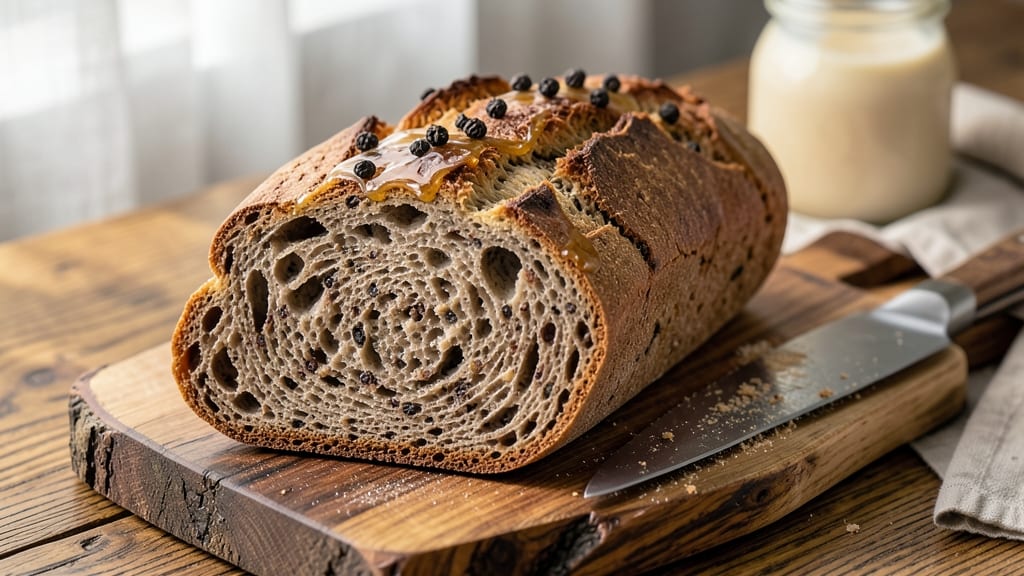
This authentic rye bread recipe delivers the deep malty flavor and dense texture that define traditional European rye loaves. 🌟 The secret lies in a precise blend of rye flour, a robust sourdough starter, and careful fermentation that develops complex flavors over time.
My version stays true to classic methods while offering modern adaptability for home bakers.
What sets this recipe apart is the balance between traditional techniques and practical shortcuts. You'll work with a stiff dough that requires patience during kneading and shaping, but the results—a crust with a subtle sour tang and a crumb that's moist yet hearty—are worth every step.
The sourdough starter adds natural leavening and depth that commercial yeast simply can't match.
By the time your bread emerges from the oven, you'll have a loaf with a rich mahogany crust and an interior that's dense yet tender. The malty aroma alone makes this bread perfect for sandwiches, toast, or serving alongside hearty soups.
Each slice carries that authentic rye character that makes it a staple in European bakeries.
For those new to rye baking, I've included clear guidance on managing the stiff dough and achieving proper fermentation. The recipe also offers flexibility for adding seeds or spices if you want to customize your loaf.
Let's get started on creating bread that tastes like tradition baked fresh in your own kitchen.
Ingredients for authentic rye bread
Four cups of flour blend with sourdough magic for bread with deep malty flavor and hearty texture.
| Ingredient | Amount | Notes |
|---|---|---|
| Active Sourdough Starter 🍞 | ½ cup | 100% hydration, fed and bubbly |
| Rye Flour 🌾 | 3 cups | Dark rye for authentic flavor |
| All-Purpose Flour 🌾 | 1 cup | Balances rye stiffness |
| Whole Wheat Flour 🌾 | ½ cup | Adds nuttiness and texture |
| Water 💧 | 1 ½ cups | Room temperature preferred |
| Honey 🍯 | 1 tbsp | Feeds starter and adds sweetness |
| Salt 🧂 | 1 ½ tsp | Kosher or sea salt |
| Instant Yeast 🍞 | ¼ tsp | Optional for faster rise |
| Malt Powder 🌾 | 1 tbsp | Enhances malty flavor |
| Sesame Seeds 🌱 | 1 tbsp | For crust decoration |
| Cornmeal 🌽 | ¼ cup | Prevents sticking on baking sheet |
| Olive Oil 🫒 | 1 tbsp | For dough handling |
The rye flour is non-negotiable here—King Arthur Dark Rye or Bob's Red Mill are my go-tos, but any dark rye works. If you can't find rye flour, whole wheat plus 1 tbsp molasses gets you close. The sourdough starter needs to be active and bubbly (fed within the last 12 hours)—this isn't the time for a weak or old starter. For the flours, I always sift them together first to avoid lumps. The whole wheat adds great texture, but if you're new to rye, start with just the rye and all-purpose blend for easier handling.
No malt powder? Substitute 1 tbsp light brown sugar—it won't be identical, but it'll add some depth. Running short on sesame seeds? Poppy seeds or flaxseeds work beautifully for decoration. The instant yeast is optional, but if you're in a hurry, it helps kickstart the rise. For the water, room temperature is ideal, but lukewarm works too (just don't use hot). The dough will be stiff—expect a shaggy, wet mess that comes together with time. Don't panic if it feels like overkill; that's exactly what you want for authentic rye texture.
This dough needs patience—at least 2 hours of bulk fermentation at room temp before shaping. For storage, wrap the shaped loaf in a clean kitchen towel and refrigerate overnight for even better flavor. The baked loaf keeps well at room temperature for 3 days wrapped in a cloth bag, or freeze slices for up to 3 months. I always make a double batch—the extra loaf disappears faster than you'd think, especially when sliced thick for open-faced sandwiches.
Why You'll Love This Recipe
- Starter Shortcut: I keep my sourdough starter alive on the counter—no extra feeding, no fuss. Just toss in a bit of the rye flour mix, water, and let it do its magic while I prep dinner. Honestly, it’s the only time I feel like a real baker without the stress.
- Earthy Depth: That rye flour? It’s where the magic happens—chewy, nutty, and just slightly tangy from the starter. The whole wheat adds a subtle bite, but the all-purpose keeps it from being too dense. (Yes, even on a Tuesday night, this bread makes me pause and say, “Wow.”)
- Sliced for Days: Bake one loaf, feed the family for a week. Toast it for breakfast, slather it with butter for sandwiches, or freeze slices for quick toast later. Between us, I’ve had this bread last me two weeks—no one in my house even notices it’s not fresh.
- Pocket-Friendly Crust: Rye flour’s cheap, and using a small amount of starter means I’m not buying yeast. A single loaf costs me less than store-bought, and it actually tastes like something homemade should. (My wallet and taste buds thank me every time.)
Step-by-step instructions for authentic rye bread
Here's how to craft a traditional rye loaf with a sourdough crust and rich malty depth.
👨🍳 Step 1: Mix the Sourdough Starter and Hydrate the Flours
In a large mixing bowl, combine the 0.5 cup active sourdough starter, 1.5 cups water, 1 tbsp honey, and 1 tbsp malt powder. Stir until the honey dissolves completely and the malt powder integrates smoothly. This mixture should look like a thick, bubbly batter.
Next, add the 3 cups rye flour, 1 cup all-purpose flour, and 0.5 cup whole wheat flour to the bowl. The rye flour will be coarse and dark—this is what gives authentic rye bread its signature color and flavor. Use a wooden spoon or dough whisk to mix until just combined, breaking up any large flour clumps. You'll see a sticky, shaggy dough forming, which is completely normal with rye.
🥘 Step 2: Add Wet Ingredients and Knead Briefly
Create a well in the center of the dough and add the 1.5 tsp salt and 0.25 tsp instant yeast. Pour in the 1 tbsp olive oil and mix everything together with your hands or a dough scraper. The dough will be extremely sticky—this is normal for rye bread. Wet your hands slightly to prevent sticking as you work.
Knead the dough gently for about 3-4 minutes until it comes together into a cohesive mass. You won't develop gluten like with regular bread—rye's naturally dense structure prevents this. The dough should be smooth but still slightly tacky. If it feels too dry, add 1 tablespoon water at a time until it reaches the right consistency.
⏰ Step 3: First Rise - Let the Dough Develop Flavor
Lightly oil a large bowl and transfer the dough to it. Cover with a damp kitchen towel or plastic wrap and let it rise at room temperature for 8-12 hours. This long, slow fermentation is what creates that authentic rye flavor. You'll see the dough nearly double in size and develop bubbles on the surface. The longer it ferments, the more complex the flavor will be.
I like to place my dough in a warm spot, like near the oven with the light on, to encourage activity. Check it periodically—if the dough overflows the bowl, it's ready. The dough should smell slightly tangy and sweet, with a deep malty aroma. This is when you know the magic is happening.
👨🍳 Step 4: Shape and Second Rise
Turn the dough onto a lightly floured surface and gently shape it into a round loaf. Don't worry about perfect edges—rye bread should have character. Place the shaped dough seam-side up in a greased 9x5-inch loaf pan. Sprinkle 0.25 cup cornmeal evenly over the top—this will create a beautiful crust and prevent sticking.
Cover the pan with a damp towel and let the dough rise again for 2-3 hours until it domes slightly above the pan. The dough should feel springy when pressed gently. Preheat your oven to 375°F during the last 30 minutes of rising so it's ready when you are.
🔥 Step 5: Bake to Golden Perfection
Carefully transfer the loaf pan to the preheated oven and bake for 45-50 minutes until the top is deep golden brown and sounds hollow when tapped. The internal temperature should reach 190-200°F. If the top browns too quickly, tent the pan with aluminum foil.
Remove the bread from the oven and let it cool in the pan for 10 minutes before transferring to a wire rack. This resting period allows the bread to set properly. Once cooled, brush the top with a little water and sprinkle with 1 tbsp sesame seeds for that classic decorative touch. Slice when completely cool—this bread tastes even better the next day as the flavors develop further.
Pro Tips For Making Authentic Rye Bread
- Autolyse First: Mix your rye flour, whole wheat flour, and water—just those three—and let it sit for 30 minutes before adding the starter or all-purpose flour. I learned this the hard way: skipping it makes the dough dense and chewy, like you’re eating a brick with a sour coating. The wait hydrates the flours properly so the gluten relaxes when you finally add the starter.
- Hydrate the Rye: Rye flour absorbs water like a sponge—use 10% more water than the recipe calls for if your rye is coarse or freshly ground. I used to eyeball it and end up with a stiff, crumbly mess. Weigh your flours, measure your water precisely, and adjust by 1-2 tablespoons if the dough feels dry after the first fold.
- Skip the Over-Kneading: Rye dough isn’t wheat dough—it doesn’t need punching or aggressive stretching. After adding the starter, do just 2-3 sets of gentle folds (every 30 minutes) over 2 hours. I once kneaded mine into submission, and it turned out gummy instead of open and airy. Let the starter’s power do the work.
- Steam the Crust: Place a metal tray of boiling water in your oven before baking, and cover the loaf with a damp towel for the first 15 minutes. Without this, the crust dries out too fast, and the bread stays dense. I was skeptical until I tried it—now it’s non-negotiable for that dark, crackly exterior and light interior.
Best sauces and condiments for this authentic rye bread
Classic Mustard Spread
Rye bread's deep, earthy flavor pairs perfectly with Dijon mustard—its tangy sharpness cuts through the bread's richness. I recommend Maille Mustard for its smooth texture and balanced heat. Spread 1-2 teaspoons on each slice before assembling sandwiches or simply enjoy it with a slab of warm rye toast.
The mustard's acidity enhances the bread's malty notes while adding a bright contrast. 🌟
Smoked Salmon Cream Cheese
For a luxurious spread, mix 8 oz cream cheese softened with 1 tbsp lemon juice and 1 tbsp fresh dill. Add 4 oz smoked salmon, chopped, and a pinch of black pepper.
This combination turns simple rye toast into an elegant open-faced sandwich. The salmon's smokiness complements the bread's earthy depth, while the cream cheese adds a velvety texture. Serve with capers for extra tang.
Sweet Butter with Honey
Nothing beats unsalted butter softened with a drizzle of local honey for a sweet-savory balance. I use 2 tablespoons butter per slice, mixed with 1 teaspoon honey and a pinch of sea salt.
The honey's floral notes highlight the rye's malty complexity, while the butter creates a luscious mouthfeel. This pairing works beautifully with fresh fruit like sliced apples or pears for a breakfast treat.
Spicy Avocado Mash
Blend 1 ripe avocado with 1 tablespoon Greek yogurt, ½ teaspoon lime juice, ¼ teaspoon cayenne pepper, and salt to taste. Spread generously on rye toast for a creamy, spicy contrast.
The avocado's richness mellows the bread's density, while the cayenne adds a subtle kick. Top with sliced radishes or microgreens for freshness. This mash is perfect for lunch or as a hearty snack. 🌶️
Whole Grain Jam
Pair your rye with whole grain jam—I love blackberry or raspberry varieties for their tartness. Spread 1-2 teaspoons on toasted rye and top with a slice of sharp cheddar or brie for a sweet-and-savory combo.
The jam's fruitiness balances the bread's earthy notes, while the cheese adds a creamy finish. This pairing is ideal for breakfast or a light dessert.
Olive Oil and Za'atar
Drizzle 1 tablespoon extra-virgin olive oil over warm rye slices and sprinkle with ½ teaspoon za'atar seasoning. The olive oil enhances the bread's texture, while za'atar's sesame and sumac flavors add a Middle Eastern twist.
Serve with hummus or olives for a Mediterranean-inspired bite. This simple yet flavorful combo is perfect for appetizers or light meals. ✨
Nutrition facts
Frequently asked questions
Why does my rye dough feel so sticky?
Rye flour absorbs more moisture than wheat flour, creating a naturally sticky dough. This is normal and essential for authentic texture. Wet your hands and use a dough scraper to handle it—don't add extra water unless the dough feels dry. The stickiness helps develop that signature dense crumb.
Can I make this without a sourdough starter?
Yes! Replace the 0.5 cup starter with 1.5 cups water + 2.5 tsp active dry yeast. Let the dough rise 4-6 hours instead of overnight for full flavor development. The bread will still taste great, though it'll lack the deep tang of sourdough.
How do I know when the bread is fully baked?
Look for a deep golden-brown crust and tap the bottom—the sound should be hollow. The internal temperature should reach 190-200°F. If the top browns too quickly, tent with foil. The bread will continue setting as it cools, so don't overbake.
What's the best way to store rye bread?
Wrap cooled bread in a clean kitchen towel or cloth bag to prevent drying. Store at room temperature for 3-4 days, or freeze slices for up to 3 months. Reheat briefly in a 350°F oven for 5 minutes to restore freshness. The flavor actually improves over time!