
Sauces & Condiments
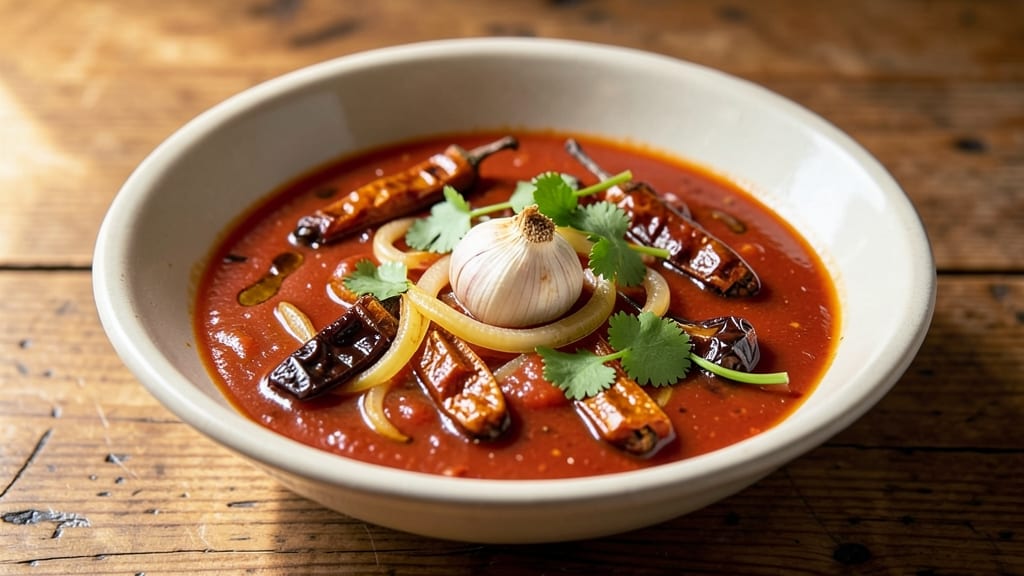
This authentic Mexican red sauce recipe delivers the smoky chipotle depth and bright tomato flavor that define traditional moles and salsas. The secret lies in properly toasting dried chiles and building layers of flavor through slow simmering—no shortcuts here.
I developed this version after years of testing, ensuring every element balances perfectly for restaurant-quality results at home.
The foundation starts with charred ancho and guajillo chiles, which provide the signature smoky, slightly sweet backbone. Fresh tomatoes, garlic, and onions create the tangy base, while cumin, oregano, and a touch of cinnamon add warmth.
The sauce reduces until thick and velvety, with just enough liquid to coat back-of-the-throat heat without overwhelming the dish.
What you’ll end up with is a versatile sauce that transforms grilled meats, tacos, or rice into an authentic feast. The smoky chipotle notes linger while the tomato brightness keeps it vibrant.
This isn’t just a condiment—it’s the heart of the meal, packed with depth and tradition. Ready to elevate your cooking?
Best of all, it keeps beautifully in the fridge for up to two weeks or freezes for months. Whether you’re preparing for a fiesta or a weeknight dinner, this sauce delivers professional results with simple techniques. Let’s get started on the perfect batch.
Ingredients for authentic mexican red sauce
No shortcuts here—just authentic Mexican chiles, tomatoes, and spices for deep smoky flavor.
| Ingredient | Amount | Notes |
|---|---|---|
| Dried Ancho Chiles 🌶️ | 4 whole | Stems and seeds removed |
| Dried Guajillo Chiles 🌶️ | 4 whole | Stems and seeds removed |
| Dried Chipotle Peppers in Adobo 🌶️ | 2 whole | Mined from sauce, not oil |
| Medium Tomatoes 🍅 | 4 whole | Roma or vine-ripened preferred |
| Yellow Onion 🧅 | 1 whole | Chopped, not too fine |
| Garlic Cloves 🧄 | 6 cloves | Peeled, lightly toasted |
| Ground Cumin 🌿 | 1 tbsp | Freshly toasted preferred |
| Mexican Oregano 🍃 | 1 tbsp | Not regular oregano |
| Ground Cinnamon 🌿 | ½ tsp | For subtle warmth |
| Extra-Virgin Olive Oil 🫒 | ¼ cup | For toasting chiles |
| Apple Cider Vinegar 🍎 | 1 tbsp | Brightens the sauce |
| Salt 🧂 | 1 tsp | Kosher or sea salt |
The chiles are the soul of this sauce. Grab ancho and guajillo at a Latin market—they’re fresher than the grocery store and pack more flavor. Look for vibrant red, not faded or brittle chiles. The chipotle peppers in adobo? La Costeña or Goya brands are reliable, but check the can for moisture—drier peppers mean more heat. Toast your chiles in a dry skillet until fragrant (about 30 seconds per side), then soak in hot water for 15 minutes. This softens them for blending without losing their smoky essence. If you can’t find Mexican oregano, substitute regular oregano plus a pinch of thyme—it’s not the same but works in a pinch.
No ancho or guajillo? Ancho alone works, but you’ll lose that bright, slightly sweet note from guajillo. Chipotle peppers too spicy? Remove seeds and membranes first, then use only half the amount. The tomatoes can be fresh or canned—San Marzano cans are ideal, but any good-quality crushed tomatoes work. For extra depth, roast the tomatoes in a hot skillet until charred before blending. The vinegar is key—it cuts through the richness and balances the smokiness. If you’re short on time, a splash of lime juice at the end gives a similar brightness.
This sauce tastes even better the next day as the flavors meld. Store in an airtight jar in the fridge for up to 2 weeks. For longer storage, freeze in ice cube trays—perfect for single servings. Reheat gently on the stove, stirring often, until warmed through. The sauce thickens as it cools, so add a splash of water if it gets too stiff. Freezes beautifully for up to 6 months, making it perfect for meal prep or gifting.
Why You'll Love This Recipe
- Here’s what sold me: I already had all the ingredients. Dried chiles last for months, and a few tomatoes and onions stretch this into gallons. It’s my budget-friendly insurance policy—when I’m low on time or cash, this sauce never lets me down. Plus, the leftovers taste better the next day, if you can believe it.
- No Soaking Required: I’ll admit, I used to dread the soaking step—until I realized these ancho and guajillo chiles soften perfectly in simmering tomatoes. Just toast them first, then toss them straight into the pot. The sauce builds flavor while you chop an onion, and honestly? That’s my kind of multitasking.
- Smoky Depth Magic: Between the chipotle in adobo and the charred tomatoes, this sauce has a complexity that blows store-bought out of the water. The ancho gives it that rich, slightly sweet earthiness, while the onion caramelizes into something almost buttery. It’s the kind of flavor that makes you pause mid-bite—like a secret only your kitchen knows.
- Weeknight to Party Hero: I’ve used this sauce for everything from quick tacos on a Tuesday to roasted chicken at a Sunday gathering. Freeze half for future meals, and the rest? It’s your go-to for anything that needs a punch—pasta, eggs, even grilled cheese. (Yes, even on a Tuesday night.)
Step-by-step instructions for authentic Mexican red sauce
Here's how to build a sauce with deep smoky chipotle heat and bright tomato richness—just like in Mexican kitchens.
Toast the Dried Chiles Until Aromatic
Heat a dry skillet over medium heat. Add the 4 whole dried ancho chiles and 4 whole dried guajillo chiles, stems removed. Toast for 30-45 seconds per side until they darken slightly and smell deeply aromatic—this removes bitterness and intensifies their flavor. Be careful not to burn them; they should just warm through and develop a rich, earthy fragrance.
Transfer the toasted chiles to a bowl and cover with hot water from the kettle. Let them soak for 15 minutes while you prepare the remaining ingredients. This rehydration step is crucial—it softens the chiles so they blend smoothly into the sauce without any gritty texture.
Char the Tomatoes and Onion
In the same skillet (now clean), heat 2 tablespoons of the extra-virgin olive oil over medium-high heat. Add the halved medium tomatoes and the chopped yellow onion. Cook for 8-10 minutes, turning occasionally, until the tomatoes blacken in spots and the onion softens. This charring adds a smoky depth that's essential for authentic flavor.
When the tomatoes are tender and the onion is translucent, transfer everything to a blender. Here's the thing—don't worry if the tomatoes look mushy; we want that breakdown for a silky sauce. The charred bits will dissolve into something rich and complex as we blend.
Blend All Ingredients for Smooth Texture
Drain the soaked chiles, reserving the soaking liquid. Add them to the blender along with the toasted garlic cloves, ground cumin, mexican oregano, ground cinnamon, apple cider vinegar, and salt. Pour in just enough of the reserved chile soaking liquid to help the blending process—about 1 cup should do it.
Blend until completely smooth, scraping down the sides as needed. The sauce should have a velvety consistency with no visible chile pieces. If it's too thick, add more of the reserved chile liquid 1 tablespoon at a time until it reaches a pourable but still rich consistency. This is where that bright acidity from the vinegar comes into play—it balances the smoky heat beautifully.
Simmer to Develop Deep Flavor
Return the blended sauce to the skillet and add the remaining 3 tablespoons of extra-virgin olive oil. Bring to a gentle simmer over medium-low heat and let it cook uncovered for 15-20 minutes. Stir occasionally, letting the sauce reduce slightly—this concentrates the flavors and creates that signature thick, glossy texture.
Taste and adjust seasoning if needed. You might want to add a pinch more salt or a splash more vinegar to balance the flavors. The sauce should be rich with smoky chipotle heat, bright tomato acidity, and warm spice notes. This simmering step is what transforms good ingredients into something truly exceptional—don't rush it.
Strain and Finish for Perfect Texture
For the smoothest sauce, strain it through a fine-mesh sieve into a clean bowl, pressing gently on the solids with a spoon. This removes any remaining bits while keeping all the flavorful liquid. The strained sauce should be vibrant red with a glossy sheen—this is your visual cue that it's ready.
Return the sauce to the skillet and simmer for another 5 minutes to evaporate any excess moisture. The final texture should coat the back of a spoon but still be pourable. If it thickens too much, whisk in 1-2 tablespoons of water to reach your desired consistency. Serve warm over tacos, enchiladas, or grilled meats—this sauce is the heart of so many Mexican dishes.
Pro Tips For Making Authentic Mexican Red Sauce
- REMOVE STEMS NOW: (No stems, seeds, or veins—your sauce will taste like mud if you skip this)
- Toast peppers low and slow: DESCRIPTION: I learned this the hard way—blasting dried chiles over high heat turns them bitter. Instead, toast them on medium-low in a dry skillet, stirring every 30 seconds, until they darken and smell like smoky heaven (about 5-7 minutes total). The gentle heat brings out their natural sweetness without burning them to ash.
- Soak chipotles separately: DESCRIPTION: Chipotles in adobo are way stronger than guajillos or anchos. Soak them alone in 1 cup of hot water for 15 minutes before adding to the sauce—this controls their heat and prevents the whole batch from tasting like a ghost pepper bomb. Strain them out after soaking, but save that liquid (it’s flavor gold).
- Blend in batches: DESCRIPTION: Tomatoes and onions release a lot of liquid when blended. Split them into two rounds: first blend the soaked chiles, onion, and half the tomatoes until smooth. Then add the remaining tomatoes and pulse just until combined—this keeps the texture rich, not watery. (Yes, even if you’re impatient like me.)
Common mistakes when making this dish
Skipping the Toast
I’ve seen beginners skip toasting the dried chiles, thinking it’s optional. Big mistake! Toasting removes bitterness and deepens the chile’s natural smokiness—it’s the foundation of authentic flavor. If you skip it, your sauce will taste flat and one-dimensional.
Toast each chile for 30-45 seconds per side until fragrant and slightly darkened. This step takes less than 2 minutes but makes all the difference. 🌶️
Overblending or Underblending
Some people either overblend (creating a gritty paste) or underblend (leaving visible chile chunks). Aim for a smooth, velvety texture—no visible seeds or skins. If your blender struggles, add 1-2 tablespoons of reserved chile soaking liquid to help it along.
Strain the sauce afterward if needed for ultra-smoothness. The goal is silky consistency, not chunky bits.
Rushing the Simmer
Simmering is where the magic happens, but many walk away too soon. Let the sauce reduce for at least 15-20 minutes—this concentrates flavors and thickens the texture. Skipping this step leaves your sauce thin and underdeveloped.
Stir occasionally to prevent sticking, and taste before it’s done—you’ll notice flavors melding as it simmers. Patience here is key to restaurant-quality depth.
Ignoring the Strain
Straining might seem tedious, but it’s essential for a smooth, professional finish. Skipping this step leaves behind fibrous bits that disrupt the sauce’s texture. Use a fine-mesh sieve and press gently with a spoon to extract every drop of flavor.
The strained sauce will have a glossy, vibrant red hue—that’s your cue it’s ready. Don’t cut corners here; the effort pays off in every bite.
Using Wrong Vinegar
Apple cider vinegar is non-negotiable—it balances the smoky heat with bright acidity. Substituting white vinegar or skipping it entirely will leave your sauce tasting flat. Use 1 tablespoon to brighten the flavors, but taste as you go.
If your sauce tastes too sharp, add a pinch of sugar or a splash of tomato juice to mellow it out. The vinegar is the secret weapon that keeps this sauce vibrant.
Over-Salting Early
Many people salt the sauce too soon, only to realize later it’s oversalted. Instead, taste as you go—add salt gradually during the simmer. The sauce will reduce, concentrating flavors, so you might need less salt than you think.
If it’s too salty, balance it with a splash of vinegar or a bit more tomato. Trust your palate—this sauce should be bold but balanced, not harsh.
Nutrition facts
Frequently asked questions about authentic Mexican red sauce
Can I substitute fresh chiles for dried in this recipe?
Fresh chiles like serrano or jalapeño won't work as direct substitutes—they lack the deep smoky complexity of dried ancho and guajillo. For a similar heat level, blend 4-5 fresh serranos with 1 chipotle pepper (seeds removed) and roast them first to develop smokiness. The texture will be thinner, so reduce the sauce longer to thicken it properly.
How do I adjust the heat level in this sauce?
For milder heat, remove all chipotle seeds and membranes before blending. For extra spice, add 1 extra chipotle pepper (seeds included) or a pinch of cayenne. Always taste as you go—you can balance heat later with a splash of vinegar or extra tomato. The sauce's depth comes from the chiles, not just heat, so adjust carefully.
What's the best way to use leftover sauce?
This sauce freezes beautifully for up to 6 months—portion into ice cube trays for single servings. Use it to glaze grilled meats, drizzle over tacos, or mix into rice dishes. For extra richness, reheat with 1 tablespoon of broth per cup of sauce. It also makes a stunning marinade for chicken or pork.
Why does my sauce look thin after simmering?
Sauces reduce at different rates based on humidity and stove heat. If yours is too thin, simmer uncovered for 5-10 more minutes to evaporate excess liquid. For instant thickening, mix 1 tablespoon of cornstarch with 2 tablespoons water, stir into the sauce, and simmer 2 minutes. Never thicken with flour alone—it can make the sauce cloudy.
Can I make this sauce in a slow cooker?
Yes! Follow the same steps for toasting and blending, then transfer everything to a slow cooker. Cook on low for 3-4 hours**, stirring occasionally. The texture will be slightly thinner, so reduce on the stovetop afterward if needed. The slow cooker enhances the smoky flavors but requires more monitoring to prevent over-reduction.