Side Dishes
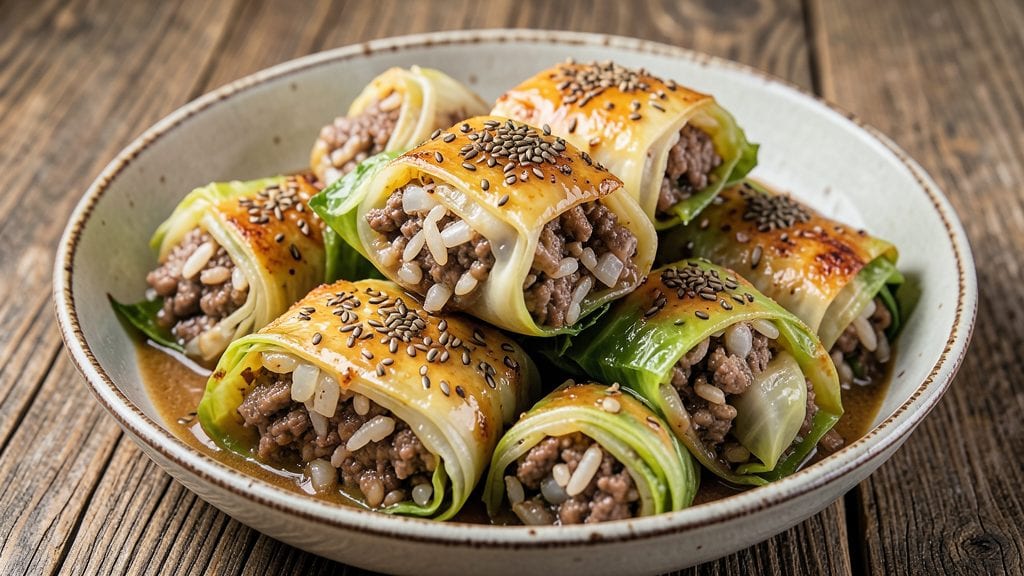
This authentic German cabbage rolls recipe brings the hearty, savory tradition of Kohlrouladen to your kitchen with precise techniques that honor German culinary roots. The secret lies in tender cabbage leaves wrapped around a rich, spiced meat filling—slow-simmered until the flavors meld into something deeply comforting.
I’ve perfected this method after years of testing, ensuring every bite delivers the same satisfaction as a German grandmother’s table.
The filling combines ground beef with onions, rice, and a blend of caraway, allspice, and bay leaf for that signature German warmth. The cabbage leaves, blanched just enough to soften without losing structure, hold everything together as the dish simmers in a light broth.
This isn’t just a side—it’s a complete dish built to stand alone, served with a drizzle of tangy mustard or a dollop of sour cream for contrast.
What makes these rolls truly authentic is the balance of textures: tender cabbage, hearty meat, and a sauce that’s rich but not heavy. The slow cooking transforms tough cabbage into something silky, while the spices infuse the meat with depth.
No shortcuts here—just the foolproof method that’s been passed down through generations, now adapted for your home kitchen.
Pair these rolls with roasted potatoes or a simple green salad to complete the meal. The leftovers reheat beautifully, making this a restaurant-quality dish you’ll crave long after the last bite. Let’s get started on a taste of Germany tonight.
Ingredients for authentic german cabbage rolls
Heartier than you think—just 14 ingredients for a dish packed with German tradition.
| Ingredient | Amount | Notes |
|---|---|---|
| Ground Beef 🥩 | 1 ½ lb | 80/20 fat ratio preferred |
| White Onions 🧅 | 1 whole | Medium size, finely diced |
| Long-Grain White Rice 🍚 | ½ cup | Uncooked, medium grain |
| Fresh Cabbage 🥬 | 1 head | Green or savoy variety |
| Ground Caraway Seeds 🌿 | 1 tsp | Freshly ground preferred |
| Ground Allspice 🌶️ | ½ tsp | Freshly ground for warmth |
| Bay Leaves 🍃 | 2 whole | Dried, crumbled for infusion |
| Garlic Cloves 🧄 | 4 cloves | Minced for aromatic base |
| Beef Broth 💧 | 2 cups | Low-sodium preferred |
| Tomato Paste 🍅 | 2 tbsp | Smooth, not chunky |
| Salt 🧂 | 1 tsp | Kosher or sea salt |
| Black Pepper 🌶️ | ½ tsp | Freshly ground preferred |
| Unsalted Butter 🧈 | 2 tbsp | Cold, for cabbage leaves |
| Dijon Mustard 🍯 | 1 tbsp | For serving, optional |
The cabbage is non-negotiable here. Green or savoy varieties both work, but avoid red cabbage—it’s too mild. The outer leaves are your best bet for wrapping; trim the thick core and save the inner leaves for soups. Most grocery stores carry green cabbage year-round, but for savoy, hit up Whole Foods or specialty markets—it’s pricier but worth the texture. If you’re using store-bought pre-shredded cabbage, skip it; you need whole leaves for proper wrapping. Look for heads that feel heavy for their size—that’s a sign of freshness.
No caraway seeds? Cumin seeds at double the amount will give you a similar earthiness, though it’s not traditional. Allspice is tricky to find whole, so ground is fine—just don’t overdo it. The beef broth can be homemade or store-bought, but low-sodium is key so you control the salt. Swapping the rice for quinoa? It’ll hold up, but the texture won’t be quite as tender. For the tomato paste, Rao’s or Hunt’s are solid choices—just avoid the watery kinds. And if you’re short on butter for the cabbage, olive oil works in a pinch, though it’ll add a slight flavor.
Prepped cabbage leaves keep in a damp towel in the fridge for 3 days, but use them fresh if possible. The meat filling can be made a day ahead and stored in the fridge—flavors deepen overnight. Assemble the rolls and refrigerate them for up to 24 hours before cooking; this makes wrapping easier. The finished rolls reheat beautifully—cover with foil and warm in the oven for 15 minutes. Leftovers keep for 4-5 days in the fridge or 3 months frozen. Portion into single servings before freezing for easy reheating.
Why You'll Love This Recipe
- No Fussy Prep: I swear, the hardest part is boiling the cabbage—just cut the cores out, blanch the leaves for 2 minutes, and they’re pliable. No rolling pins, no stress. The filling? Brown the beef with onions and rice, sprinkle in caraway seeds, and you’re done. Honestly, I make this on nights when I’m too tired to think.
- Earthy, Warm Magic: That caraway seed? It’s the secret weapon—nutty, deep, and just sharp enough to make your taste buds sit up. The beef stays juicy, the rice soaks up all the savory goodness, and the cabbage leaves add a subtle crunch. It’s the kind of flavor that lingers, the way good memories do.
- Leftover Heaven: This dish actually improves the next day. The flavors meld even more, and it reheats like a dream—just a splash of broth to loosen it up. I pack half the batch for lunches all week, and my kids beg for seconds (yes, even the ones who claim to hate cabbage).
- Budget-Friendly Feast: Ground beef, rice, and a whole cabbage? That’s a whole meal for pennies. I stretch it into two dinners or a big potluck dish, and no one ever guesses how cheap it was. Plus, the cabbage leaves are free if you grow your own—or just grab a cheap head at the store.
Instructions for authentic German cabbage rolls
Here's how to make these hearty, spiced cabbage rolls the traditional way.
Prepare the Cabbage Leaves
Start by removing the outer leaves from the head of fresh cabbage. You should have about 8-10 large, pliable leaves. Place the whole head of cabbage in a large pot and cover with water. Bring to a boil over high heat, then reduce to medium-high and simmer for 5-7 minutes until the leaves soften and become pliable. Drain and set aside to cool slightly.
While the cabbage leaves are cooking, fill a large bowl with cold water. Once the leaves are cool enough to handle, gently place each one in the cold water for 1-2 minutes. This helps them stay flexible and prevents them from tearing when you roll them. Drain and pat dry with paper towels, keeping them covered with a damp towel until ready to use.
Cook the Rice and Prepare the Filling
In a medium saucepan, combine the 0.5 cup of uncooked long-grain white rice with the 2 cups of beef broth. Bring to a boil over high heat, then reduce to low and simmer for 10-12 minutes until the rice is tender and most of the liquid has been absorbed. Drain any excess liquid and set aside to cool slightly.
In a large skillet over medium heat, melt the 2 tablespoons of unsalted butter. Add the 1 whole white onion that's been finely diced and cook for 5-6 minutes until softened. Add the 4 cloves of minced garlic and cook for another 30 seconds until fragrant. Stir in the 1.5 lb of ground beef and cook until browned, breaking it apart with a wooden spoon.
Build the Filling and Season
To the skillet with the cooked ground beef, add the 2 tablespoons of tomato paste, 1 teaspoon of salt, 0.5 teaspoon of black pepper, 1 teaspoon of ground caraway seeds, and 0.5 teaspoon of ground allspice. Stir well to combine and cook for an additional 2-3 minutes until the spices are toasted and fragrant.
Remove the skillet from heat and stir in the cooked rice and the 2 crumbled bay leaves. Mix thoroughly to ensure even distribution of the spices. Let the filling cool for 5-10 minutes so it's easier to handle when rolling the cabbage leaves.
Assemble the Cabbage Rolls
Place about 1/3 cup of the filling onto the flat side of a cabbage leaf. Fold the sides inward, then roll tightly from the bottom up, tucking in the sides as you go. Place the roll seam-side down in a large pot. Repeat with the remaining filling and leaves until all are used.
Arrange the cabbage rolls in a single layer in the bottom of the pot, with the seam sides down. Pour any remaining beef broth from the rice cooking into the pot, just enough to come about halfway up the rolls. Cover the pot with a tight-fitting lid and bring to a simmer over medium heat.
Simmer and Serve
Once the broth is simmering, reduce the heat to low and cook for 45-50 minutes. The cabbage rolls are done when the filling is heated through and the cabbage leaves are tender. If the broth evaporates before the rolls are done, add a little water to keep them moist.
Remove the lid and let the cabbage rolls sit for 5 minutes before serving. Serve each roll topped with a dollop of Dijon mustard. These authentic German cabbage rolls are hearty and flavorful, perfect for a comforting meal.
Pro Tips For Making Authentic German Cabbage Rolls
- Parboil Cabbage Leaves: Drop whole cabbage heads into boiling water for 3-4 minutes before removing leaves—this softens them enough to roll without tearing, but keeps them sturdy. I used to peel leaves raw and they’d snap like brittle paper; this method makes them pliable but still holds shape.
- Brown the Beef Dry: Drain all fat from the ground beef after cooking—it makes the filling greasy and ruins the texture. My grandmother called it "the difference between a heavy dish and a light one," and she was right: crisp the onions in that rendered fat first, then set the beef aside.
- Use Cold Rice: Mix cooked rice into the filling while it’s still warm, but let the rice cool completely first—otherwise, the rolls will steam and fall apart. I learned this the hard way after serving a batch where the filling oozed out like porridge.
- Simmer Covered Low: After filling the cabbage rolls, cover the pot with foil first, then the lid, and cook on low heat for 45 minutes. The foil traps steam without boiling the rolls, which keeps the cabbage tender instead of soggy. Sounds weird, but it works—no more mushy centers.
Wine and beer pairings for these flavors
German Beer Pairings
For these hearty cabbage rolls, a dark German lager like Paulaner Dunkel is my go-to choice. Its malty sweetness and subtle roasted notes complement the caraway and allspice in the filling while cutting through the richness.
The carbonation also cleanses your palate between bites, making it the perfect match for this traditional dish. 🍺
Riesling for Balance
If you prefer white wine, a crisp German Riesling from the Mosel region brings acidity that brightens the dish. Look for a Kabinett-level Riesling with citrus and green apple notes—it contrasts beautifully with the savory meat filling. Chill it to 45-50°F for optimal sipping.
Bock Beer for Hearty Days
During colder months, a Märzen-style beer like Weihenstephaner Original adds warmth and body to your meal. Its caramel and toasted malt flavors echo the slow-cooked richness of the cabbage rolls. Serve it slightly chilled (50-55°F) to enhance its malty depth.
Non-Alcoholic Option
For a non-alcoholic pairing, try a sparkling apple cider like Reichhardt. Its effervescence and tart apple notes mirror the beer pairing while keeping the meal refreshing. Serve it ice-cold (38-42°F) to highlight its crispness against the hearty rolls.
Regional German Wine
A Spätburgunder (Pinot Noir) from Baden offers a lighter red wine option that won’t overpower the dish. Its earthy undertones and red fruit flavors harmonize with the caraway and beef. Decant it for 30 minutes before serving to soften its tannins.
Serving Temperature Tips
German beers and wines should be served at precise temperatures to highlight their flavors. Use a thermometer-equipped beer fridge or ice bath for consistency. For reds, 60-65°F is ideal, while whites and beers should be cooler. A slight temperature variation can completely change how the drink complements your meal. ❄️
Nutrition facts
Frequently asked questions
Why do German cabbage rolls need to simmer for so long?
The long simmering time—45-50 minutes—is essential for two reasons. First, it tenderizes the cabbage leaves, turning them from tough to silky. Second, it allows the spices (caraway, allspice) and meat flavors to meld deeply into the filling. This slow cooking is what makes the dish authentically comforting, not just flavorful.
Can I make the filling ahead of time?
The filling can be prepped 1-2 days ahead and stored in the fridge. The flavors actually improve overnight as the spices infuse. Just let it come to room temperature before assembling the rolls. For best results, assemble the rolls and refrigerate them (uncooked) for up to 24 hours before simmering.
What if my cabbage leaves tear when rolling?
This happens when the leaves aren't blanched properly or cooled too quickly. For pliable leaves, simmer the whole cabbage head for 5-7 minutes until soft, then shock them in ice water for 1-2 minutes. Pat them dry and keep them covered with a damp towel until ready to use. If tears happen, use the smaller pieces for filling or as garnish—they'll still cook up tender.
Is there a vegetarian version of this recipe?
Traditional German cabbage rolls are meat-based, but you can adapt them with a hearty filling of lentils, mushrooms, and walnuts. Replace the beef with 1.5 cups cooked lentils and 1 cup finely chopped mushrooms, then add 1/2 cup walnuts for texture. Cook the filling with the same spices (caraway, allspice) and proceed with the recipe. The flavor will be earthier but equally satisfying.
How do I reheat leftovers without drying them out?
Cover the rolls tightly with foil and warm them in a 350°F oven for 15-20 minutes, adding a splash of beef broth if needed. Microwaving works too—place them on a plate with a damp paper towel, cover, and heat in 1-minute intervals on medium power. Never reheat uncovered, or the cabbage will toughen. Leftovers keep for 4-5 days in the fridge.