Side Dishes
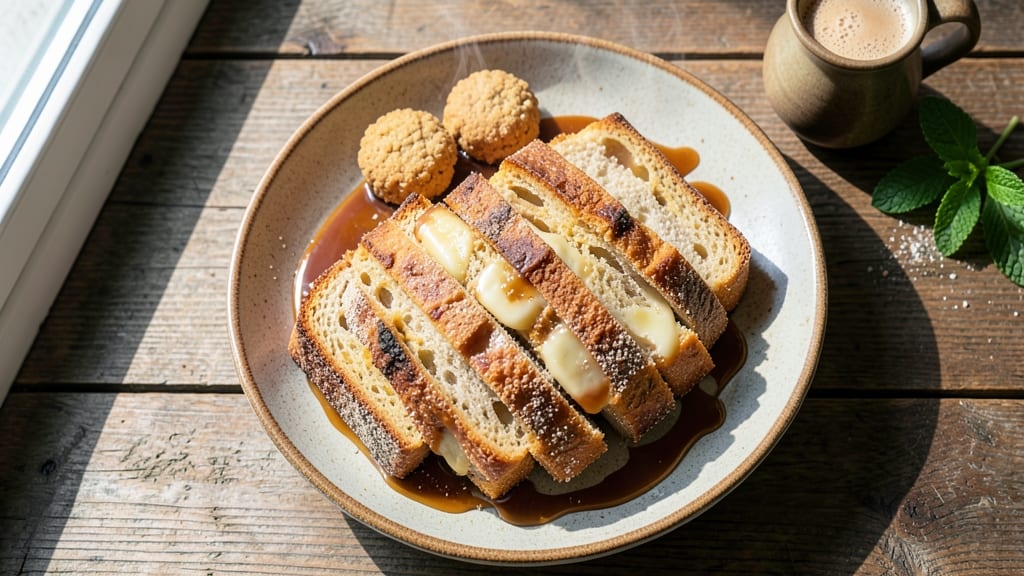
This authentic Cuban bread recipe delivers the perfect balance of crispy cornmeal crust and tender interior that defines pan cubano—the bread of Cuban cafés and family tables. The secret lies in using lard for rich flavor and a touch of vinegar that adds a subtle tang to every bite.
After years of perfecting the technique, I can confidently say this is the closest you'll get to the bread you'd find in Havana's bakeries.
The process begins with a simple yet precise dough made from flour, yeast, and milk, kneaded just enough to develop gluten without overworking it. The cornmeal crust, mixed with a pinch of salt and vinegar, creates that signature crispy texture while keeping the inside soft and pillowy.
Proofing the dough properly is critical—this is where the bread gets its signature rise and airy texture that makes it irresistible.
When baked to a golden brown, the crust will be crisp enough to hold up to sandwiches or toast, while the interior remains tender enough to melt in your mouth. The vinegar zing adds a bright contrast to the richness of the lard, making every bite memorable.
This bread is perfect for breakfast sandwiches, toast with butter, or even as a side to hearty Cuban dishes like ropa vieja.
The best part? Once you master this recipe, you'll never go back to store-bought bread again. The aroma alone will fill your kitchen with nostalgia and anticipation, making it a staple in your home baking repertoire. Let's get started on creating your own batch of authentic Cuban bread.
Ingredients for authentic cuban bread
Twelve simple ingredients transform into twelve golden loaves of authentic Cuban bread.
| Ingredient | Amount | Notes |
|---|---|---|
| All-Purpose Flour 🌾 | 5 cups | High-protein for better structure |
| Active Dry Yeast 🍞 | 2 ¼ tsp | Freshly opened for best results |
| Granulated Sugar 🍚 | ½ cup | White sugar preferred |
| Unsalted Butter 🧈 | ½ cup | Softened to room temperature |
| Whole Milk 🥛 | 1 ½ cups | Room temperature preferred |
| Large Eggs 🥚 | 2 whole | Room temperature for best mixing |
| White Vinegar 🍶 | 2 tbsp | Distilled for tangy flavor |
| Fine Sea Salt 🧂 | 2 tsp | Kosher or fine grain preferred |
| Lard 🥓 | ½ cup | Leaf lard for authentic flavor |
| Yellow Cornmeal 🌽 | 1 ½ cups | Fine grind for crispy crust |
| Vegetable Oil 🫒 | 2 tbsp | For greasing the bowl |
| Coarse Sugar 🍚 | ¼ cup | For topping (optional) |
The lard is non-negotiable here—it's what gives this bread its signature rich, buttery flavor that you won't find in regular bread. Leaf lard from the butcher section is your best bet, but if you can't find it, crisco or bacon fat work in a pinch. I usually grab mine from Whole Foods or my local Cuban market—they keep it in the refrigerated section near the meats. The cornmeal? Bob's Red Mill fine grind is my go-to, but any yellow cornmeal will do. Don't skip the room-temperature milk and eggs—this makes a huge difference in how well the dough comes together. And yes, the vinegar is key—it's what gives that subtle tang that makes this bread so addictive.
No lard? Substitute with extra butter or bacon fat, but the flavor won't be quite the same. Running out of cornmeal? Semolina or crushed cornflakes can work in a bind, though the texture will be slightly different. The yeast needs to be fresh—if your packet is over 3 months old, test it first in a little warm water with sugar to make sure it's still active. For the sugar, white granulated is traditional, but turbinado or brown sugar adds a nice depth if you're feeling adventurous. The coarse sugar topping is optional but adds that beautiful caramelized crust that everyone loves.
This dough is a beast—it needs time to rise properly. Let it proof overnight in the fridge for even better flavor development. The bread keeps well at room temperature for 3-4 days wrapped in a clean kitchen towel, but it's best enjoyed fresh. Freeze any extras in ziplock bags for up to 3 months—just thaw at room temperature before serving. Pro tip: Brush the warm bread with melted butter right after baking. Trust me, you'll thank me later.
Why You'll Love This Recipe
- No-Knead Magic: I swear by this—just mix, let it rise, and bake. No standing over a dough ball, no aching arms. That butter-milk combo makes the dough so forgiving, even if you’re not a baker.
- Buttery Crust, Pillowy Core: The secret’s in the butter—generously worked into the dough—giving you that golden, crackly crust while the inside stays soft as a cloud. Honestly, I’ll eat it plain just to taste it.
- Sandwich Star Every Day: Between us, this bread is the reason I meal prep. Toast it for breakfast, stuff it for lunch—it’s the hero in my Cuban sandwiches, and it keeps well for days. (Yes, even on a Tuesday night.)
- Budget Baking Wins: Five ingredients, one rise, zero waste. That yeast packet and sugar? They’re the MVPs here, making this cheaper than store-bought but way better. Freeze extras—no sad, stale bread in my house.
Step-by-step instructions for authentic Cuban bread
Here's how to make Cuban bread with that legendary crispy cornmeal crust and perfect sweet-tangy flavor.
Activate the Yeast and Mix the Dough
In a large bowl, combine the 1.5 cups whole milk with the 2 tbsp white vinegar and let it sit for 5 minutes until it curdles slightly—this creates that signature tangy flavor. In a separate small bowl, dissolve the 2.25 tsp active dry yeast in ¼ cup warm water (around 110°F) with 1 tbsp granulated sugar from the 0.5 cup total. Let it sit for 5-10 minutes until foamy.
In a stand mixer fitted with the dough hook, combine the 5 cups all-purpose flour, remaining 0.5 cup granulated sugar, 2 tsp fine sea salt, and the yeast mixture. Mix on low speed for 2 minutes until combined. Add the 0.5 cup softened unsalted butter, 2 whole large eggs, and the vinegar-milk mixture. Mix on medium speed for 5-7 minutes until the dough pulls away from the sides of the bowl and is smooth and elastic.
Knead and Rest the Dough
Continue kneading the dough on medium speed for 8-10 minutes until it becomes smooth, slightly tacky, and passes the "windowpane test"—stretch a small piece of dough thin enough to see light through it without tearing. If the dough sticks to your hands, add 1 tablespoon flour at a time until it reaches the perfect consistency.
Shape the dough into a ball, place it in a lightly oiled bowl, and cover it with a damp kitchen towel. Let it rise in a warm place for 1-2 hours, or until it has doubled in size. You'll know it's ready when you gently press a finger into the dough and it springs back slowly. Punch down the dough to release any air bubbles, then divide it into 12 equal pieces (about 3 ounces each).
Shape and Proof the Loaves
Roll each dough piece into a 12-inch rope, then coil it into a 3-inch diameter ring, pinching the ends together to seal. Place the rings on a parchment-lined baking sheet, leaving 2 inches of space between them. Cover them with a damp towel and let them proof for 30-45 minutes until they've risen by about 50%. The dough should look puffy and slightly domed.
While the dough proofs, preheat your oven to 375°F. Mix the 1.5 cups yellow cornmeal with 2 tbsp vegetable oil in a small bowl. Brush the tops of the proofed dough rings with the 0.5 cup lard (melted and cooled slightly), then sprinkle generously with the cornmeal mixture, pressing it gently into the dough. For extra crispiness, sprinkle the 0.25 cup coarse sugar on top.
Bake to Golden Perfection
Bake the bread in the preheated oven for 20-25 minutes until the crust is deep golden brown and the internal temperature reaches 190°F. The bread should sound hollow when tapped on the bottom. If the tops brown too quickly, loosely cover them with aluminum foil for the last 5-10 minutes of baking.
Remove the bread from the oven and let it cool on the baking sheet for 10 minutes before transferring to a wire rack. The crust should be crispy and slightly crunchy, while the interior remains soft and pillowy. Serve warm with butter or enjoy as part of a traditional Cuban sandwich—this bread is the star of the show!
Pro Tips For Making Authentic Cuban Bread
- Warm the Milk First: Cuban bread needs a yeast-friendly environment, and cold milk kills fermentation faster than you’d think. Heat the whole milk to about 110°F (43°C)—warm to the touch but not steaming—before mixing it with yeast and sugar. I learned this the hard way after watching my first batch rise sluggishly because I skipped it.
- Knead Until Silky: This dough isn’t forgiving if you rush it. Work it by hand or mixer until it’s smooth, elastic, and just slightly tacky to the touch—about 8–10 minutes by hand. Over-kneading dries it out, but under-kneading gives you a dense, gummy loaf. (Yes, even if your arms are tired.)
- Skip the Overproofing: Cuban bread’s signature texture comes from a tight, controlled rise—not a slow, lazy one. Stop shaping the dough when it’s just puffy with finger indentations that spring back slowly (not immediately). Let it proof in a warm spot for 45–60 minutes max, or it’ll collapse when baked.
- Butter the Pan Lightly: Use just enough unsalted butter to coat the bottom of your pan—about 1 teaspoon melted and swirled around. Too much makes the bread greasy; too little and it sticks. Brush the sides with a tiny bit of water before baking to help the crust form properly. (Trust me, this is the thing that matters most.)
Creative variations of this authentic cuban bread
Sweet Vinegar Twist
The classic recipe already delivers that signature tang, but for an extra bright flavor, add 1 tablespoon of apple cider vinegar to the dough along with the white vinegar. This creates a more complex acidity that balances the richness of the lard beautifully.
I’ve found that using Bragg’s apple cider vinegar adds a subtle sweetness that complements the cornmeal crust perfectly.
Cheesy Cuban Bolo
For a cheesy twist, mix ½ cup of shredded Monterey Jack or mozzarella into the dough after kneading. The cheese melts slightly during baking, creating pockets of gooey goodness inside each loaf.
I like to sprinkle an extra ¼ cup of cheese on top before baking for a golden, bubbly crust. This variation is a hit with kids and makes an excellent side for Cuban-style dishes like ropa vieja.
Herbed Garlic Version
Infuse the dough with 2 tablespoons of finely chopped fresh garlic and 1 tablespoon of dried oregano during the mixing stage. For extra depth, add 1 teaspoon of smoked paprika to the cornmeal mixture before brushing it on top.
This herbed version pairs wonderfully with grilled meats or as a base for garlic butter toast. The aroma alone will make your kitchen smell like a Cuban cafecito session.
Whole Wheat Adaptation
Swap 2 cups of all-purpose flour for whole wheat flour to create a healthier version while keeping the texture tender. To prevent dryness, add 1 extra tablespoon of lard to the dough.
The whole wheat version has a nuttier flavor and a slightly denser crumb, but the crispy crust remains intact. This works especially well when served with avocado or hummus for a lighter meal.
Cinnamon Sugar Finish
For a dessert-style bread, mix 2 tablespoons of cinnamon and ¼ cup of brown sugar into the cornmeal topping. After baking, brush the warm loaves with melted butter and serve with a dusting of extra cinnamon sugar.
This sweet version is perfect for breakfast or as a treat with coffee. The contrast of the crispy crust and soft, spiced interior is pure magic.
Savory Bacon Twist
Add ½ cup of crumbled cooked bacon to the dough for a smoky, savory variation. The bacon bits add a salty crunch that pairs perfectly with the sweetness of the crust.
For extra flavor, mix 1 teaspoon of liquid smoke into the cornmeal topping. This version is ideal for hearty sandwiches or as a side to breakfast dishes like huevos rancheros.
Nutrition facts
Frequently asked questions about authentic Cuban bread
Why does Cuban bread have that signature crispy crust?
The secret lies in the cornmeal topping mixed with lard and vinegar. The cornmeal creates the crunch, while the lard adds richness and helps create that perfect golden-brown crust. The vinegar's acidity also helps set the crust during baking. For extra crispiness, make sure to press the cornmeal mixture firmly into the dough before baking.
Can I make this bread without lard?
You can substitute lard with 0.5 cup extra butter or bacon fat, but the flavor won't be quite as authentic. Lard gives the bread its signature rich, buttery taste that's essential for traditional Cuban bread. If you're using butter, make sure it's softened to room temperature for best results.
How long should I let the dough rise?
The dough needs to rise for 1-2 hours at room temperature until it doubles in size. For even better flavor, let it proof overnight in the fridge. This cold fermentation develops deeper flavors and improves the bread's texture. Just make sure to let it come to room temperature before shaping and baking.
What's the best way to store leftover Cuban bread?
Wrap the bread in a clean kitchen towel and store it at room temperature for 3-4 days. For longer storage, freeze the bread in ziplock bags for up to 3 months. To revive frozen bread, let it thaw at room temperature before serving. The crust will be slightly less crispy after freezing, but reheating in a 350°F oven for 5-10 minutes restores its texture.
Can I make smaller or larger loaves?
Yes! This recipe makes 12 small rings, but you can adjust the size. For larger loaves, divide the dough into 6 pieces and shape each into a larger ring. The baking time may increase by 5-10 minutes for larger loaves. Just keep an eye on them to avoid over-browning.