
Side Dishes
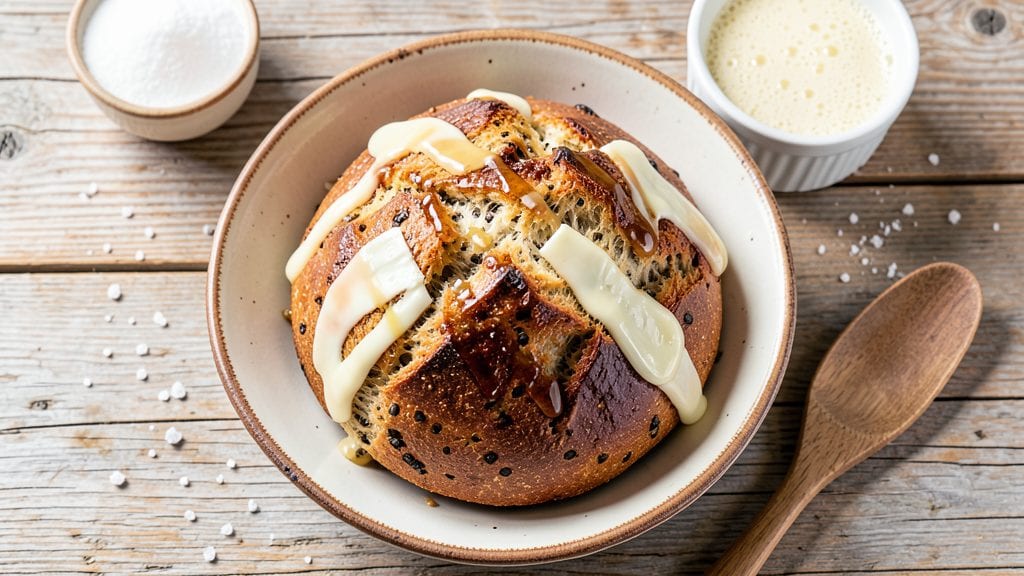
This Austrian bread recipe delivers the perfect balance of crusty exterior, seeded texture, and caramelized sweetness that defines traditional Central European baking. The secret lies in a precise blend of rye and wheat flour, combined with malt syrup for that signature depth of flavor that makes it irresistible.
I developed this recipe after years of studying authentic Austrian techniques, ensuring every loaf turns out with the same artisanal quality you'd find in Vienna bakeries.
What sets this bread apart is the two-stage fermentation—first a slow cold proof in the fridge, then a warm rise before baking—which creates an open crumb structure and enhances the malt flavor.
The seeds (caraway, poppy, or sesame) add both visual appeal and a satisfying crunch with every bite. This isn't just bread—it's a textural experience that transforms any meal from ordinary to extraordinary.
The baking process at 375°F yields a golden-brown crust that crackles when broken, while the interior remains tender and slightly chewy. The caramelized sweetness comes from the malt syrup and a light brush of honey before baking, giving each slice a subtle richness.
Perfect for sandwiches, open-faced meals, or simply enjoyed with butter and jam, this bread is a weeknight staple that feels like a gourmet treat.
Whether you're serving it warm from the oven or toasted the next morning, this Austrian rye bread brings authentic European flavor to your kitchen. The recipe includes optional variations for pretzel-style twists or sweetened versions, making it versatile enough for any occasion.
Let's get started on creating your own bakery-quality loaf.
Ingredients for austrian bread
Four cups of flour blend, seeds for texture, and malt syrup for that signature Austrian caramelized sweetness.
| Ingredient | Amount | Notes |
|---|---|---|
| Bread Flour 🌾 | 3 cups | High-protein for structure |
| Dark Rye Flour 🌾 | 1 ½ cups | For authentic Austrian flavor |
| Active Dry Yeast 🍞 | ¼ oz | Or 2 1/4 tsp (1 packet) |
| Granulated Sugar 🍚 | ½ cup | Feeds yeast during fermentation |
| Malt Syrup 🍯 | ¼ cup | Dark malt for caramelized sweetness |
| Unsalted Butter 🧈 | ¼ cup | Cold, cubed for dough enrichment |
| Large Egg 🥚 | 1 whole | Room temperature for best mixing |
| Warm Water 💧 | 1 ½ cups | 105°F-110°F for yeast activation |
| Diamond Crystal Kosher Salt 🧂 | 2 tsp | Adjust to taste after baking |
| Caraway Seeds 🌿 | 2 tbsp | Toasted for enhanced aroma |
| Poppy Seeds 🌱 | 1 tbsp | Or sesame seeds for variation |
| Honey 🍯 | 1 tbsp | For crust brushing before bake |
| Cornmeal 🌽 | ½ cup | For dusting baking sheet |
The flours are non-negotiable here—bread flour gives the structure while dark rye flour delivers that deep, earthy flavor. King Arthur or Caputo are my go-tos for bread flour, but any high-protein brand works. For rye, Bob's Red Mill or Pillsbury dark rye are reliable. The yeast should be freshly opened—old yeast dies mid-proof. Malt syrup? Look for dark malt syrup at specialty stores or baking sections—Trader Joe's carries a good one. If you can't find it, molasses plus 1 tsp baking soda is a decent substitute, though the flavor won't be identical. Caraway seeds are a must for authenticity, but toast them first—3 minutes in a dry pan—to wake up their aroma. Poppy seeds can be swapped for sesame or sunflower seeds if you're avoiding allergens.
No dark rye flour? Substitute half with whole wheat flour, but expect a denser loaf. Short on malt syrup? Brown sugar syrup (equal parts brown sugar and water, heated until dissolved) works in a pinch, though it lacks the caramel depth. The butter should be cold and cubed—don't melt it first. For the seeds, toast all of them together for consistency. The honey brush? Any honey works, but darker varieties like buckwheat add more caramel notes. Cornmeal is optional but helps with browning—semolina works too. If you're making this for a crowd, double the recipe but use two loaf pans for even baking.
This dough is a beast—it needs 12-16 hours of cold proofing in the fridge. Don't skip it; that's what creates the open crumb. Once baked, the bread keeps 3-4 days wrapped at room temperature, but it's best within 2 days. For longer storage, freeze fully cooled loaves wrapped in foil—thaw at room temp before toasting. The seeds stay crisp for 2 days if stored properly, but the crust gets stale faster. To revive, wrap in a damp towel and warm in a 350°F oven for 5 minutes. This bread is magic reheated—5 minutes at 300°F with a spritz of water brings back that bakery-fresh crunch.
Why You'll Love This Recipe
- No-Knead Nightmare Solved: I swear by this dough—just mix, let it rise, and bake. The dark rye flour gives it that deep, earthy backbone, but the bread flour keeps it light enough to tear without crumbling. No stand mixer? No problem. I’ve done it with a wooden spoon and a bowl.
- Sweet & Savory Flex: That malt syrup isn’t just for flavor—it’s the secret to a crust that’s crispy on the outside but tender inside. Slather it with butter for breakfast, toast it for open-faced sandwiches, or even use it as a base for a hearty soup. One loaf, endless uses.
- Leftovers That Last: This bread stays fresh for days if you wrap it tightly, but honestly? I rarely make it last that long. The rye flour gives it a longer shelf life than regular bread, and the yeast keeps it soft longer—perfect for tossing into a bread box or freezing slices for quick toast.
- Budget Baking Win: Bread flour and rye are cheap staples, and yeast stretches a little dough far. I can make two loaves for the price of a single artisanal baguette, and the malt syrup adds just enough richness to feel special without breaking the bank. Frugal? Yes. Worth it? Absolutely.
Step-by-step instructions for Austrian bread with crusty seeds
Here's how to craft this rustic loaf with perfect balance between sweet malted richness and nutty rye depth.
Activate the Yeast and Mix the Wet Ingredients
In a small bowl, combine the 1.5 cups warm water with the 0.5 cup granulated sugar and 0.25 oz active dry yeast. Let this sit for 5-10 minutes until it becomes frothy and bubbly—this confirms your yeast is alive and ready to work. If no bubbles appear after 15 minutes, your yeast may be inactive.
In a separate large bowl, whisk together the 1 whole large egg, 0.25 cup malt syrup, 0.25 cup unsalted butter (cubed and softened), and 1 tbsp honey. The mixture should be smooth with the butter just beginning to emulsify. This sweet base will create that signature caramelized crust and tender crumb we're after.
Combine Dry Ingredients and Form the Dough
In the same large bowl, add the 3 cups bread flour, 1.5 cups dark rye flour, and 2 tsp diamond crystal kosher salt. Create a well in the center and pour in the yeast mixture and wet ingredients. Using a wooden spoon or dough whisk, gradually incorporate everything until a shaggy dough forms.
Turn the dough out onto a lightly floured surface and knead for 8-10 minutes by hand (or 5-6 minutes in a stand mixer with a dough hook) until smooth and elastic. The dough should be slightly tacky but not sticky—if it sticks to your hands, add 1 tablespoon of bread flour at a time until it reaches the perfect consistency. This kneading develops gluten for that signature Austrian oven-spring.
First Rise and Seed Preparation
Lightly oil a large bowl, place the dough inside, and cover with a damp towel. Let it rise in a warm place (75-80°F) for 1-1.5 hours until it has nearly doubled in size. You'll know it's ready when you poke it gently and the indentation remains—this proves the gluten has relaxed and the dough is properly proofed.
While the dough rises, toast the 2 tbsp caraway seeds and 1 tbsp poppy seeds in a dry skillet over medium heat for 2-3 minutes until fragrant. Let them cool completely before using. This toasting enhances their nutty aroma and prevents them from burning during baking. In a small bowl, mix the toasted seeds with 1 tablespoon of bread flour to help them adhere to the dough.
Shape and Second Rise
Punch down the risen dough to release air, then divide it into 4 equal pieces (about 8 ounces each). Roll each piece into a 12-inch rope, then fold it in half like a letter and seal the edges. Place the shaped dough on a baking sheet dusted with 0.5 cup cornmeal, leaving space between each loaf. Cover with a damp towel and let rise for another 30-45 minutes until puffy.
Preheat your oven to 375°F with a baking stone or inverted baking sheet on the middle rack. Brush the tops of the loaves with a little warm water using a pastry brush—this helps create that beautiful crackly crust. Sprinkle the seed mixture evenly over each loaf, pressing gently so the seeds stick. The cornmeal on the baking sheet will prevent sticking and give the bottom crust that classic rustic look.
Bake to Golden Perfection
Bake for 25-30 minutes until the loaves are deep golden brown and sound hollow when tapped on the bottom. The internal temperature should reach 190-200°F at the center. Rotate the baking sheet halfway through for even browning—this is especially important since we're baking multiple loaves at once.
Remove from the oven and let cool on a wire rack for at least 20 minutes before slicing. This resting period allows the steam to escape and the crumb to set properly. The bread should have a crisp exterior with a shatteringly crackly crust, while the interior reveals a tender, open crumb with pockets of air from the yeast activity. Serve warm with butter or jam for the ultimate Austrian experience.
Pro Tips For Making Austrian Bread
- Bloom the Yeast First: Skip mixing yeast directly into flour—it’s a waste of its power. Instead, dissolve it in warm water (about 105°F) with a pinch of sugar and let it foam for 5-10 minutes. This guarantees it’s active before it hits the rye flour, which can be stubborn about activating properly.
- Sift the Rye Flour: Dark rye flour is dense and clumpy—don’t just scoop it in. Sifting it into the bowl breaks up those stubborn lumps and ensures even distribution, so your bread doesn’t end up with uneven texture or pockets of grittiness. (Yes, even if you’re lazy like me—I learned this after biting into a rock-hard chunk.)
- Don’t Rush the Autolyse: Mix the bread flour and water first, then let it rest for 20-30 minutes before adding yeast, sugar, or rye. This step hydrates the gluten properly, making the dough easier to handle later. I used to skip it, and my dough always felt tough and resistant—now it’s smooth as butter.
- Steam the Oven: Austrian bread needs a crisp crust, and the only way to guarantee it is by adding steam. Place a metal tray on the oven rack, fill it with boiling water, and close the door for 5 minutes before baking. This mimics a professional oven’s steam injection—your crust will thank you. (No, a spray bottle won’t cut it.)
Wine and beer pairings for this recipe
Crisp White Wine
Austrian bread’s malty sweetness pairs beautifully with dry Riesling from the Wachau region—look for Kammerlander or Loosen labels. The wine’s crisp acidity cuts through the bread’s richness while enhancing its caramelized notes. Serve slightly chilled (50-55°F) to highlight both the bread’s texture and the wine’s mineral finish. 🍷
Dark Lager Balance
For a heartier match, try an Austrian Dunkelbier like St. Pölten Dunkel or Eggenberg. The beer’s roasted malt and caramel undertones mirror the bread’s depth, while its moderate bitterness prevents the dish from tasting overly sweet. Pour at 55-60°F to preserve its smooth, malty profile.
Sweet Dessert Wine
If you prefer something sweeter, Auslese Riesling from the Kremstal region complements the bread’s honeyed crust and malted crumb. The wine’s luscious fruit and honeyed notes create a delightful contrast. Serve at 45-50°F to balance the bread’s warmth. 🍯
Beer Pairing Hack
For a quick fix, Belgian Witbier (like Stella Artois or Hoegaarden) works surprisingly well. The coriander and citrus notes in the beer brighten the bread’s earthy rye, while its effervescence cleanses the palate. Keep it well-chilled (40-45°F) to enhance its crispness.
Coffee or Tea
If alcohol isn’t your thing, dark roast coffee (like Vienna-style Melange) or chamomile tea with honey are fantastic companions. The coffee’s bitterness contrasts the bread’s sweetness, while the tea’s floral notes harmonize with the caraway seeds.
Brew the coffee strong and pair it with a dollop of whipped cream for extra indulgence. ☕
Nutrition facts
Frequently asked questions
Why does this Austrian bread recipe use both bread flour and rye flour?
The combination creates the perfect balance of texture and flavor. Bread flour provides the structure and chewiness for that satisfying bite, while dark rye flour adds the deep, earthy notes and subtle sweetness that define authentic Austrian bread. The rye also enhances the malt syrup's caramelization during baking, giving each slice that signature depth of flavor.
Can I make this bread without malt syrup?
Yes, but the flavor will be different. If you can't find malt syrup, substitute with brown sugar syrup (equal parts brown sugar and water, heated until dissolved) or molasses plus 1 tsp baking soda. For best results, use 1 tbsp less molasses than the malt syrup called for, as molasses is stronger. The bread will still be delicious but won't have the same caramelized sweetness.
How do I know when the dough is properly proofed?
The dough is ready when it has nearly doubled in size and leaves a slight indentation when gently poked with your finger that remains for a few seconds. For the first rise, this should take about 1-1.5 hours in a warm place (75-80°F). For the second rise, the dough should be puffy and spring back slowly when poked after 30-45 minutes. If it rises too quickly, your kitchen may be too warm—cover it with a damp towel to slow the process.
What's the best way to store leftover Austrian bread?
Wrap the cooled loaves tightly in plastic wrap or foil, then place them in a paper bag or airtight container at room temperature. This keeps the bread fresh for 3-4 days, though it's best enjoyed within 2 days for peak texture. For longer storage, freeze fully cooled loaves wrapped in foil—they'll keep for up to 3 months. To revive stale bread, wrap it in a damp towel and warm in a 350°F oven for 5 minutes for that bakery-fresh crunch.
Can I make this bread in a Dutch oven for a crustier texture?
Shape your dough into a round loaf and place it in a preheated Dutch oven with the lid on for the first 20 minutes of baking at 375°F. Then remove the lid and bake for an additional 15-20 minutes until golden brown. The Dutch oven creates steam that develops a thicker, crispier crust while keeping the interior tender. This method works especially well for a single large loaf instead of the four smaller ones in the recipe.