
Side Dishes
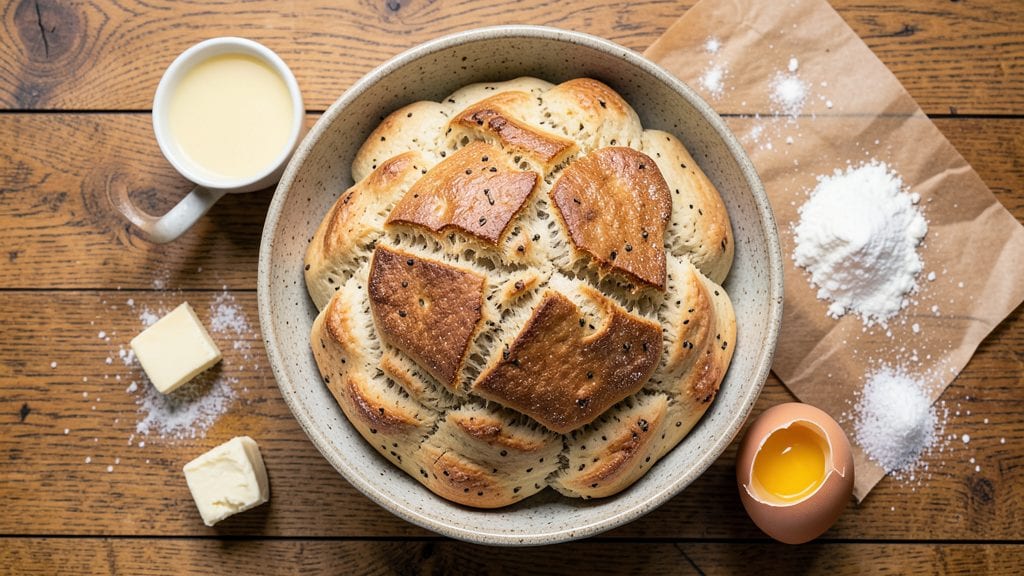
Mastering an aniseed bread recipe transforms simple ingredients into a fragrant, licorice-kissed loaf with a satisfying crusty crunch. The subtle sweetness of anise seeds creates a unique flavor profile that pairs beautifully with soups, stews, or as a standalone treat.
I developed this recipe after years of experimenting with traditional European techniques, ensuring every slice delivers that perfect balance of texture and aroma.
What sets this aniseed bread apart is the combination of active dry yeast and anise seeds, which infuse the dough with a distinctive, slightly sweet licorice flavor. The crust develops a golden-brown crunch while the interior remains tender and moist, thanks to a precise baking technique.
This recipe yields a loaf that's both rustic and refined, perfect for elevating any meal.
The result is a loaf with a crisp exterior and soft, flavorful interior, where every bite reveals layers of aniseed aroma and subtle sweetness. The crust stays crunchy for days, making it ideal for sandwiches or serving alongside hearty dishes.
Whether you're baking for a special occasion or simply craving something unique, this recipe delivers professional-quality results with minimal effort.
For those who enjoy customization, you can experiment with adding a touch of honey to the dough or incorporating whole grains for added texture. The versatility of this recipe makes it a staple in any kitchen, offering a delightful twist on classic bread-making.
Let's get started on creating your perfect aniseed loaf.
Ingredients for aniseed bread
Twelve simple ingredients transform your kitchen into a European bakery—licorice aroma fills the air as golden crust develops.
| Ingredient | Amount | Notes |
|---|---|---|
| Active Dry Yeast 🍞 | 2 ¼ tsp | One packet preferred for accuracy |
| Whole Milk 🥛 | ¼ cup | Warm to 110°F for activation |
| Granulated Sugar 🍚 | 1 tbsp | For yeast activation |
| Unsalted Butter 🧈 | ¼ cup | Cold, cubed for dough |
| Large Eggs 🥚 | 1 whole | Room temperature |
| All-Purpose Flour 🌾 | 3 ½ cups | Spooned and leveled |
| Anise Seeds 🌿 | 1 ½ tbsp | Whole, lightly toasted |
| Diamond Crystal Kosher Salt 🧂 | 1 ½ tsp | Fine grain preferred |
| Cornmeal 🌽 | ¼ cup | For dusting baking sheet |
| Water 💧 | ½ cup | Warm, not hot |
| Honey 🍯 | 1 tbsp | Optional, for extra sweetness |
| Egg Wash 🥚 | 1 whole | Beaten with 1 tsp water |
| Coarse Sea Salt 🧂 | ½ tsp | For sprinkling crust |
The anise seeds are the soul of this bread—whole, not ground, so they release their flavor during baking. Penzeys Spices carries premium seeds, but bulk bins at Whole Foods work too. Toast them lightly in a dry pan for 30 seconds to deepen their aroma before mixing into the dough. That first whiff of licorice as you open the oven? Worth every step. The yeast should be fresh—check the expiration date, and if it's past its prime, your loaf will lack rise. King Arthur flour is my go-to for consistent results, but any high-protein all-purpose works.
No anise seeds? Star anise pods crushed into a powder work in a pinch, though the flavor is more intense. Short on butter? Vegetable shortening maintains the same texture, but butter's richness is ideal. The honey addition is optional but elevates the sweetness—I always keep a small bottle on hand for when I want extra depth. For the egg wash, room temperature eggs create a smoother finish. If you're gluten-sensitive, swap the all-purpose flour for a 1:1 gluten-free blend, though texture will differ. The cornmeal isn't just for dusting—it adds a subtle crunch to the crust's underside.
Freshly baked aniseed bread stays at its peak for 3 days wrapped in a clean kitchen towel, but the crust remains crisp for 5 days if stored properly. Freeze slices for up to 3 months—toast directly from frozen for maximum crunch. I always bake two loaves: one for sandwiches, one to serve with soups. The aroma alone makes this bread a conversation starter—slice and serve warm for the full experience. Leftovers? Toss in the toaster for breakfast pastries.
Why You'll Love This Recipe
- No-Knead Magic: I swear by this trick—just mix the yeast in warm milk with a pinch of sugar, let it sit while I chop the butter into the flour. No stand mixer, no elbow grease. The dough comes together smoother than my usual kneading attempts (which always end with flour everywhere).
- Licorice-Like Warmth: That aniseed? It’s like a whisper of licorice, but in the best way—earthy and sweet without being overpowering. The butter and eggs make it rich, but the milk keeps it tender. Honestly, the first slice out of the oven had me reaching for another before it cooled.
- Breakfast to Brunch: I’ve used this for toast with jam, as a base for French toast (hello, custardy perfection), or even torn into chunks for a savory bread pudding. The eggs and milk give it that custard-like quality when baked again—so versatile I’ve lost track of how many ways I’ve repurposed it.
- Budget Stretch: A single batch feeds my family for days—sandwiches, toast, or even croutons for salads. The yeast and milk are cheap staples, and the butter/eggs stretch further than you’d think. I’ll be real: it’s my go-to when I’m trying to make groceries last, and no one complains.
Step-by-step instructions for aniseed bread recipe
This licorice-kissed loaf transforms simple pantry staples into a fragrant, crusty masterpiece with an irresistible crunch.
Activate the Yeast and Prepare the Dough Base
In a small bowl, combine the 0.25 cup warm whole milk (about 110°F) with the 2.25 tsp active dry yeast and 1 tbsp granulated sugar. Let this sit for 5-10 minutes until it becomes frothy and bubbly—this confirms your yeast is alive and ready to work. If it doesn't bubble, your yeast may be dead, and you'll need to start over.
In the bowl of a stand mixer fitted with the dough hook attachment, combine the 3.5 cups all-purpose flour, 1.5 tbsp anise seeds, and 1.5 tsp diamond crystal kosher salt. Mix on low speed just until the dry ingredients are evenly distributed. This creates your dry base before adding any wet ingredients.
Incorporate Wet Ingredients and Develop the Dough
Add the yeast-milk mixture, 0.25 cup cold cubed unsalted butter, 1 whole large egg, and 0.5 cup warm water to the flour mixture. Mix on low speed until the dough begins to come together, then increase to medium speed and knead for 5-7 minutes until the dough is smooth, elastic, and pulls away from the sides of the bowl.
If the dough feels too sticky, add 1 tablespoon of flour at a time until it reaches the perfect consistency—it should be soft but not wet. The anise seeds will release their aromatic oils as the dough develops, filling your kitchen with that distinctive licorice scent. This is where the magic begins.
First Rise and Prepare for Shaping
Lightly grease a large bowl with a bit of olive oil (not listed but essential for this step) and place the dough inside. Cover the bowl with a clean kitchen towel or plastic wrap and let it rise in a warm place for 1-1.5 hours, or until it has nearly doubled in size. You'll know it's ready when you poke it gently and the indentation remains.
While the dough rises, preheat your oven to 375°F. Line a baking sheet with parchment paper and dust it generously with 0.25 cup cornmeal. This will prevent sticking and give your bread that beautiful rustic texture. The cornmeal also adds a subtle sweetness that complements the anise flavor perfectly.
Shape and Second Rise for Crust Development
Turn the risen dough onto a lightly floured surface and gently shape it into a log about 10 inches long. I like to roll it from one end to the other, applying just enough pressure to maintain the shape without deflating it. Place the shaped dough seam-side down on the prepared baking sheet and cover it loosely with the kitchen towel.
Let the dough undergo a second rise for 30-45 minutes until it has puffed up noticeably. This final rise is crucial for that airy, open crumb we're after. The anise seeds will have fully infused their flavor by now, creating that signature licorice aroma that makes this bread so distinctive.
Bake to Golden Perfection with Crust Enhancement
Brush the dough generously with the 1 whole egg wash (beaten with 1 tsp water) and sprinkle evenly with the 0.5 tsp coarse sea salt. This creates that beautiful golden crust we all love. Bake in the preheated oven for 35-40 minutes until the bread is deep golden brown and sounds hollow when tapped on the bottom.
For extra crunch, I like to turn the oven up to 425°F for the last 5 minutes of baking. This creates that perfect contrast between the crisp exterior and soft interior. Let the bread cool on a wire rack for at least 30 minutes before slicing—this allows the crumb to set properly and makes for cleaner cuts.
Pro Tips For Making Aniseed Bread
- Warm the Milk First: I learned this the hard way—yeast hates surprises. Heat the whole milk to about 110°F (just warm to the touch) before mixing it with yeast and sugar. Cold milk slows fermentation, and you’ll end up waiting twice as long for that dough to rise.
- Use Room-Temp Eggs: Cold eggs in warm dough make for a sluggish rise. Take your eggs out of the fridge 30 minutes before using them—this ensures they blend smoothly and help the gluten develop faster. (Yes, even if you’re impatient like me.)
- Don’t Over-Knead the Dough: Aniseed bread needs just enough structure to hold its shape, not a rubbery workout. Knead until the dough is smooth but still slightly tacky—about 8-10 minutes by hand. Overworking it kills the aniseed flavor and makes the bread dense.
- Proof in a Cooler Spot: Your kitchen’s warm air is the enemy of slow, even rising. After the first rise, move the dough to a spot where it’s about 70°F (like a turned-off oven with the light on). This gives the yeast time to develop flavor without racing to the top. Patience here makes all the difference.
Health benefits of aniseed bread
Digestive Comfort
Anise seeds contain anethole, a compound known to soothe digestive discomfort and reduce bloating. Chewing whole anise seeds (or baking them into bread) stimulates saliva production and may help relieve indigestion.
The 1.5 tbsp of anise seeds in this recipe provides a gentle, natural digestive aid—perfect for pairing with heavy meals like stews or sausages. 💪
Rich in Antioxidants
Anise seeds are packed with flavonoids and polyphenols, powerful antioxidants that combat oxidative stress. These compounds help protect your cells from damage while supporting overall health. The toasted seeds in this bread release even more antioxidants, giving you an extra nutritional boost with every slice.
I always toast mine lightly to enhance both flavor and antioxidant potential.
Supports Respiratory Health
Traditional medicine uses anise seeds to ease coughs and congestion due to their expectorant properties. The licorice-like flavor comes from anethole, which helps loosen mucus in the respiratory tract. Baking anise seeds into bread provides a mild, daily dose of these benefits—great for seasonal allergies or post-meal digestion.
The aroma alone can be soothing, making this bread a comforting choice.
Blood Sugar Regulation
While anise seeds aren't a cure-all, studies suggest they may help moderate blood sugar levels by improving insulin sensitivity. The whole grain flour in this recipe further enhances this effect, creating a bread that's gentler on blood sugar than refined options.
I like to serve slices with Greek yogurt or avocado for a balanced, blood-sugar-friendly meal. The honey addition (optional) adds natural sweetness without spiking glucose levels.
Calcium and Magnesium Boost
Anise seeds are a surprising source of calcium and magnesium, essential minerals for bone health and muscle function. A single serving of this bread provides about 5-7% of your daily calcium needs, supporting strong bones and teeth.
The whole milk in the dough adds extra calcium, making this a nutrient-dense choice for breakfast or snacks. Pair it with cheese or nuts for even more mineral benefits.
Low-Calorie Comfort
Despite its rich flavor, this aniseed bread is surprisingly low in calories compared to sweet pastries. A single slice contains roughly 120-140 calories, making it a guilt-free option for satisfying cravings.
The crusty texture provides satisfying crunch without heavy fat or sugar. I often bake two loaves—one for sandwiches, one to enjoy with tea—without worrying about overindulging. 💛
Nutrition facts
Frequently asked questions
Can I substitute anise seeds with another spice?
Yes, but the flavor will change. For a similar licorice note, try 1.5 tbsp ground star anise (use half the amount since it's more potent). Fennel seeds (1 tbsp whole) offer a milder anise-like taste, while 1 tsp cinnamon adds warmth but lacks the signature anise aroma. Toasting any substitute enhances flavor.
Why did my bread turn out dense instead of crusty?
Dense bread usually means the yeast didn't activate properly or the dough wasn't kneaded enough. First, check your yeast—it should bubble within 5-10 minutes in warm milk. If not, your yeast may be dead. Also, knead the dough for the full 5-7 minutes to develop gluten for that light texture. Ensure your oven is fully preheated to 375°F before baking.
How long can I store aniseed bread?
Freshly baked, it stays best for 3 days wrapped in a clean kitchen towel at room temperature. The crust remains crisp for up to 5 days if stored in an airtight container. For longer storage, freeze slices for 3 months—toast directly from frozen for maximum crunch. Avoid refrigerating, as it dries out the bread.
Can I make this bread without a stand mixer?
Use a large mixing bowl and a wooden spoon to combine ingredients, then knead by hand on a floured surface for 8-10 minutes. Press the dough firmly, folding it over itself until smooth and elastic. The extra effort ensures proper gluten development for that perfect texture.
What's the best way to reheat sliced aniseed bread?
For crispy crust and soft interior, toast slices in a 375°F oven for 5-7 minutes or use a toaster set to medium heat. Avoid microwaving—it makes the bread gummy. If reheating from frozen, add 1-2 extra minutes to ensure even warming.