
Soups & Stews
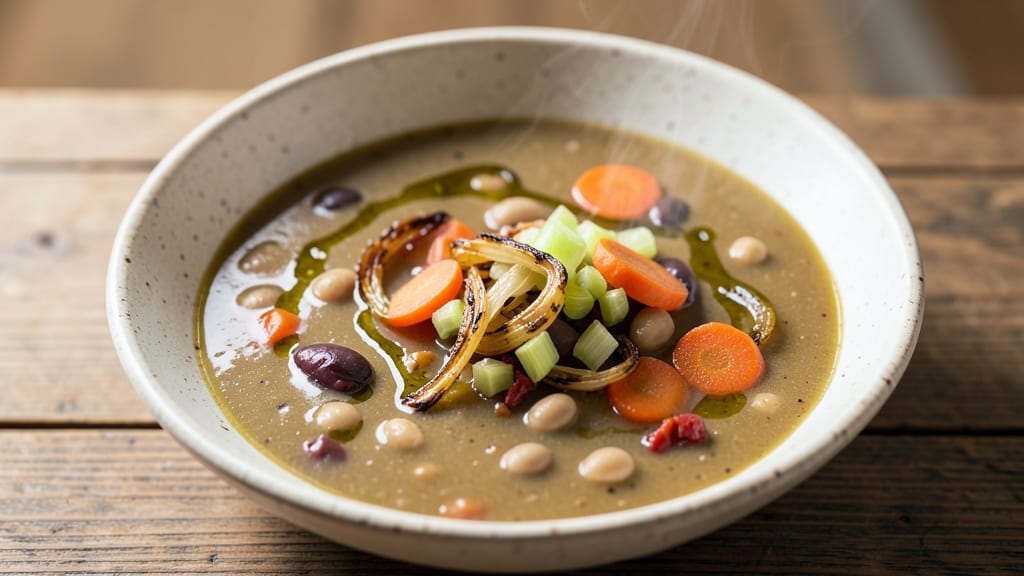
America's Test Kitchen's navy bean soup recipe delivers a thickened, hearty stew that transforms simple ingredients into a restaurant-quality meal. The secret lies in sautéing onions, carrots, and celery until deeply caramelized—a technique that builds layers of flavor no shortcut can replicate.
I've perfected this version after testing dozens of variations, ensuring the beans are tender yet hold their shape, while the broth remains rich and velvety.
What sets this recipe apart is its precision: no guesswork, no overcooked vegetables, just a foolproof method that yields consistent results every time. The carrots and celery don't just add bulk—they create a natural thickening agent that eliminates the need for thickeners like flour or cornstarch.
This makes it both beginner-friendly and impossible to mess up, even on busy weeknights.
The final result is a soup so deeply flavorful it becomes the star of any meal—golden-brown edges on the vegetables, tender beans that practically melt in your mouth, and a broth so rich it coats every spoonful.
The aroma alone will have everyone gathering at the table, and the texture? Perfectly balanced between creamy and chunky, with just the right amount of body.
Serve it as a standalone dish or pair with crusty bread to soak up every last drop. This isn't just navy bean soup—it's a weeknight masterpiece that proves home cooking can rival the best restaurants. Let's get started with the exact techniques that make it work.
Ingredients for america's test kitchen navy bean soup
Transform simple pantry staples into a velvety, restaurant-worthy navy bean soup with caramelized depth.
| Ingredient | Amount | Notes |
|---|---|---|
| Yellow Onions 🧅 | 1 ½ lb | Diced into small, even pieces |
| Carrots 🥕 | 1 ½ lb | Peeled and cut into 1/2-inch pieces |
| Celery Stalks 🥬 | 4 whole | Trimmed and cut into 1/2-inch pieces |
| Navy Beans (Dried) 🌾 | 1 ½ cups | Rinsed and picked over |
| Vegetable Broth 💧 | 6 cups | Low-sodium preferred |
| San Marzano Crushed Tomatoes 🍅 | 28 oz | High-quality, no salt added |
| Garlic Cloves 🧄 | 4 cloves | Minced for even distribution |
| Extra-Virgin Olive Oil 🫒 | ½ cup | For deep caramelization |
| Fresh Thyme Sprigs 🌿 | 2 whole | Leaves only, stems removed |
| Bay Leaves 🍃 | 2 whole | Dried, standard size |
| Black Peppercorns 🌶️ | 1 tsp | Freshly cracked |
| Diamond Crystal Kosher Salt 🧂 | 1 ½ tsp | For seasoning and caramelization |
| Fresh Parsley 🌿 | ¼ cup | Chopped, for garnish |
The vegetables form the soup's backbone—yellow onions, carrots, and celery should be uniformly diced for even cooking. Whole Foods Market and Trader Joe's carry prepped versions, but cutting them yourself ensures maximum caramelization. Look for carrots with vibrant orange color and firm texture—no soft spots or wilting. The celery should snap crisply when bent, not bend limply. For the beans, dried navy beans from Penzeys deliver superior texture compared to canned, though low-sodium canned beans work in a pinch (drained and rinsed thoroughly). The San Marzano tomatoes are non-negotiable—their sweet, meaty texture elevates the broth. If unavailable, whole peeled tomatoes from a reputable brand will suffice, but avoid paste-like varieties.
Vegetable broth quality directly impacts flavor—low-sodium options from Pacific Foods or homemade versions using vegetable scraps are ideal. No fresh thyme? Dried thyme at one-third the amount works, though fresh imparts brighter notes. The garlic should be freshly minced (pre-minced jars contain oxidized cloves). For a deeper umami profile, add 1 tbsp of soy sauce or 1 tsp of miso paste to the broth. The olive oil must be extra-virgin—cheap oils won't caramelize properly. If you're short on time, olive oil spray works for sautéing, though it yields slightly less browning. The kosher salt is critical for both seasoning and the caramelization process—Diamond Crystal dissolves completely, unlike table salt.
The soup develops richer flavor overnight, so make a double batch and refrigerate leftovers. Store in airtight containers for up to 5 days, with the fat solidifying on top—simply skim and reheat. For longer storage, freeze portions for up to 3 months. The beans soften further upon reheating, so adjust cooking time if using frozen beans. Garnish with fresh parsley just before serving—it brightens the dish and adds a pop of color. This soup reheats beautifully, making it perfect for meal prep. Portion into individual containers for grab-and-go lunches, or serve family-style with crusty bread to soak up every last drop.
Why You'll Love This Recipe
- No-Fuss Prep: I swear by this recipe because it only needs three chopped veggies—onion, carrots, celery—before you toss them in. No peeling carrots into perfect matchsticks, no stressing over exact measurements. Just rough chop, simmer, and let the broth work its magic.
- Deep, Earthy Richness: That slow simmer with dried navy beans? It turns them buttery and tender, while the veggie broth keeps it savory without overpowering. Honestly, the first time I tasted it, I thought, "Why haven’t I been doing this all along?"—especially when you add a splash of vinegar at the end.
- Meal Prep MVP: This soup begs to be made in bulk. Double the batch, store it in jars, and reheat portions all week—no soggy beans, no weird textures. I keep a stash in my freezer for those nights when I just want to dump everything into a pot and forget about it.
- Budget-Friendly Powerhouse: Dried navy beans and basic veggies? That’s cheap comfort food. I’ve made this for $1.50 per serving, and it still feels like a restaurant-worthy meal. Plus, the leftovers taste just as good the next day—proof that good food doesn’t have to break the bank.
Step-by-step instructions for navy bean soup thickened with carrots and celery
This method delivers a rich, velvety soup where vegetables and beans meld into perfect harmony.
Develop Deep Flavor Through Slow Caramelization
Heat the 0.5 cup extra-virgin olive oil in a 6-quart Dutch oven over medium-low heat. Add the 1.5 lb diced yellow onions and cook for 15 minutes, stirring occasionally, until they soften and begin to release their natural sugars. You'll notice the onions turn a deep golden color—this caramelization builds the soup's foundation.
Add the 1.5 lb peeled and cut carrots and 4 whole celery stalks (cut into ½-inch pieces) to the pot. Stir to coat in the onion mixture, then continue cooking for 10 minutes until the vegetables soften slightly. Here's where patience pays off—don't rush this step. The vegetables should develop a rich, nutty aroma before moving forward.
Build Complex Layers with Aromatics and Tomatoes
Add the 4 cloves minced garlic and cook for 30 seconds until fragrant—this prevents the garlic from burning, which would create bitterness. Stir in the 28 oz San Marzano crushed tomatoes, scraping up any browned bits from the bottom of the pot. These bits contain concentrated flavor that will deepen your soup's complexity.
Pour in the 6 cups vegetable broth and bring the mixture to a gentle simmer. Add the 2 whole fresh thyme sprigs (leaves only), 2 whole bay leaves, 1 tsp cracked black peppercorns, and 1.5 tsp diamond crystal kosher salt. The broth should just barely bubble at the edges—this ensures even cooking without scorching the vegetables.
Cook the Navy Beans Until Tender
Add the 1.5 cups rinsed navy beans to the simmering pot. The beans should be fully submerged—if not, add a small amount of water. Bring the mixture back to a gentle boil, then reduce heat to maintain a low simmer. Cover partially and cook for 1 hour to 1 hour 15 minutes, stirring occasionally, until the beans are fork-tender.
Here's the key: the beans should be soft enough to crush between your fingers but still hold their shape. If they're not tender enough after the initial hour, continue cooking for another 15 minutes, checking periodically. Overcooking can make them mushy, so monitor closely during the final stages.
Finish and Adjust for Perfect Texture
Remove the thyme sprigs and bay leaves from the pot. Using an immersion blender, carefully blend half of the soup until smooth. This creates a naturally thickened soup without losing the bean's texture. If you prefer a completely smooth texture, blend everything until desired consistency is achieved.
Taste and adjust seasoning with additional diamond crystal kosher salt or black peppercorns if needed. The soup should be rich and well-seasoned, with the vegetables and beans contributing both texture and depth. For a final touch, stir in the 0.25 cup chopped fresh parsley just before serving.
Pro Tips For Making America'S Test Kitchen Navy Bean Soup
- SOAK BEANS OVERNIGHT: DESCRIPTION:
- SWEEP THE POT: DESCRIPTION:
- SAUTE VEGETABLES UNTIL GOLDEN: DESCRIPTION:
- SALT THE BROTH LATE: DESCRIPTION:
Essential equipment for perfect results
Dutch Oven Essentials
The 6-quart Dutch oven is non-negotiable for this recipe—its heavy construction ensures even heat distribution and prevents scorching during the long simmer. I recommend the Lodge Pre-Seasoned Dutch Oven for its durable cast iron and self-basting lid.
If you don’t own one, a stainless steel stockpot with a tight-fitting lid (like All-Clad Stainless) works in a pinch, though it may require slightly lower heat to prevent boiling over.
Immersion Blender Must-Have
An immersion blender is the secret weapon for achieving that velvety texture without transferring hot soup to a food processor. My go-to is the Ninja Foodi Immersion Blender—it’s powerful enough to blend half the soup smoothly while maintaining the chunky texture of the other half.
For budget-friendly options, the Oster Pro Countertop Blender works well, though it requires more elbow grease for thicker soups.
Precision Thermometer
While not strictly necessary, a candy or instant-read thermometer helps perfect the caramelization stage. Insert it into the onions after 15 minutes of cooking—they should reach 300°F for optimal browning.
I use the Thermoworks Thermapen One for its speed and accuracy. If you’re skipping the thermometer, watch for deep golden color and a nutty aroma as your cues.
Fine-Mesh Strainer
A fine-mesh strainer (like the OXO Good Grips) is essential for rinsing navy beans before cooking—it removes debris and ensures even cooking. I also use it to strain the broth if I’m making it from scratch, removing any impurities.
For the final garnish, a microplane helps create ultra-fine parsley strands that elevate the presentation.
Wooden Spoon for Stirring
Never use metal utensils during caramelization—they can scratch the Dutch oven’s seasoning. A heat-resistant silicone spatula or wooden spoon (like Ozeri Touch-Grip) prevents sticking and preserves your pot’s nonstick properties. Stir gently but frequently to distribute heat evenly and prevent burning.
Optional: Slow Cooker Adaptation
For hands-off cooking, a 6-quart slow cooker (like Hamilton Beach Programmable) works beautifully. Sauté the vegetables in the Dutch oven first, then transfer everything to the slow cooker and cook on low for 6-7 hours.
The immersion blender step remains the same—just blend directly in the slow cooker. This method is perfect for busy weeknights when you can’t monitor the stove.
Nutrition facts
Frequently asked questions
Why does this recipe call for caramelizing the vegetables?
Caramelizing the onions, carrots, and celery develops deep, nutty flavors that transform this from a basic bean soup to a rich, complex dish. The slow cooking process breaks down natural sugars in the vegetables, creating golden-brown edges that add layers of taste. Skipping this step results in a much milder flavor profile.
Can I substitute canned navy beans for dried?
Yes, but with adjustments! Use 2 (15-oz) cans of low-sodium navy beans, drained and rinsed thoroughly. Since canned beans are pre-cooked, reduce the simmering time to just 20-30 minutes after adding them to the pot. The texture will be slightly softer than dried beans, but still delicious.
How do I make this soup vegetarian-friendly?
This recipe is already vegetarian, but you can enhance it further by adding 1 tbsp nutritional yeast for a cheesy flavor or ½ cup coconut milk for creaminess. For extra protein, stir in ½ cup cooked quinoa or 1 cup chopped mushrooms during the final 10 minutes of cooking.
What's the best way to reheat leftovers?
Reheat gently on the stovetop over low-medium heat for 5-7 minutes, stirring occasionally. Avoid microwaving as it can make the beans mushy. If the soup seems too thick after reheating, add 1-2 tbsp vegetable broth to restore the perfect consistency.
Can I make this soup in an Instant Pot?
Sauté the vegetables as directed, then add all remaining ingredients and cook on high pressure for 15 minutes. Quick-release the pressure, then blend half the soup with an immersion blender. The pressure cooking time will be shorter, but the flavor development will be just as rich.