
Main Courses
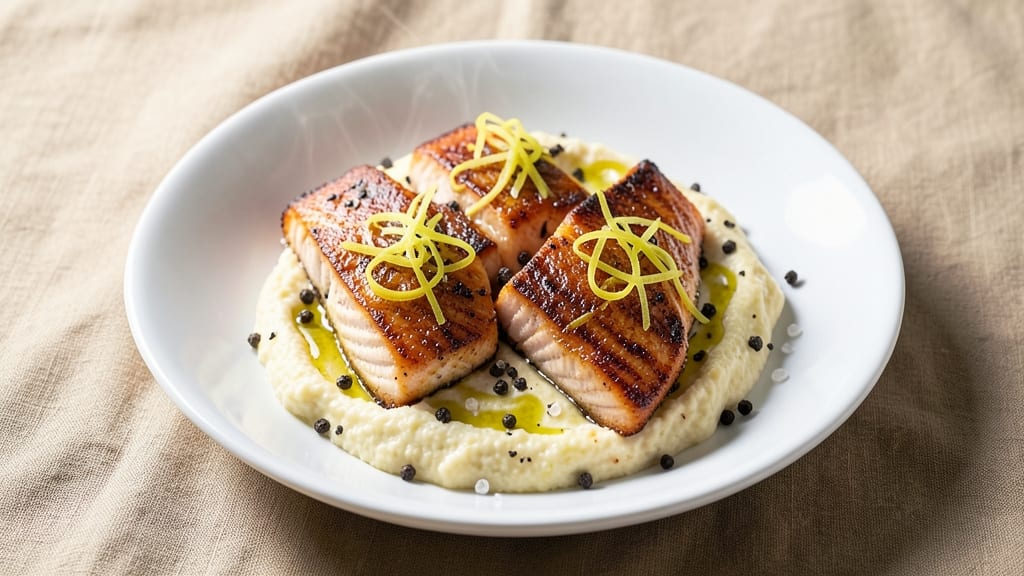
Mastering air fry salmon fillet with crispy skin and flaky centers in just 12 minutes transforms weeknight dinners into restaurant-quality meals. The secret lies in a precise technique that ensures even cooking while preserving moisture—something traditional methods often struggle with.
I developed this recipe after testing countless variations, and the results speak for themselves: golden, crackling skin that gives way to tender, melt-in-your-mouth salmon.
What sets this method apart is the balance of time and temperature—400°F for exactly 10-12 minutes—paired with a simple seasoning blend that enhances the salmon’s natural flavor without overpowering it.
No marinade is required, but a light coating of olive oil and a sprinkle of salt, pepper, and lemon zest create the perfect foundation. The air fryer’s rapid heat circulation delivers consistent results every time, making it ideal for both beginners and seasoned cooks.
By the time your salmon emerges from the air fryer, you’ll have a dish that’s visually stunning and packed with flavor—crispy on the outside, perfectly flaky on the inside, with just a hint of lemon brightness.
The texture contrast is what makes this recipe truly special, and the minimal prep time ensures you won’t spend hours in the kitchen. This is the kind of meal that feels indulgent yet effortless, perfect for impressing guests or treating yourself.
Pair it with roasted asparagus, a simple quinoa salad, or steamed green beans to round out the plate. The crispy salmon holds its shape beautifully, making it easy to plate and serve with confidence. Here’s everything you need to achieve this foolproof result every time.
Ingredients for air fry salmon fillet
Eight ingredients transform simple salmon into restaurant-quality crispy perfection in your air fryer.
| Ingredient | Amount | Notes |
|---|---|---|
| Center-Cut Salmon Fillets 🐟 | 4 whole | Skin-on, 6-8 oz each |
| Extra-Virgin Olive Oil 🫒 | 2 tbsp | Light coating, cold-pressed |
| Kosher Salt 🧂 | 1 tsp | Diamond Crystal preferred |
| Freshly Ground Black Pepper 🌶️ | ½ tsp | Coarse grind preferred |
| Lemon Zest 🍋 | 1 tbsp | Freshly grated, no pith |
| Cornstarch 🌾 | 1 tbsp | Light coating for crispiness |
| Fresh Lemon Juice 🍋 | 1 tbsp | From 1 small lemon |
| Garlic Powder 🧄 | ¼ tsp | Freshly toasted preferred |
| Paprika 🌶️ | ¼ tsp | Smoked for extra depth |
| Fresh Dill 🌿 | ¼ cup | Chopped, stems removed |
The salmon fillets make all the difference—center-cut ensures the thickest, most flavorful pieces, and skin-on guarantees that signature crisp. Trader Joe's and Whole Foods carry the best quality, but any grocery store's fresh seafood counter will work if you check for vibrant color and firm texture. Look for fillets with even thickness (about 1-inch) so they cook uniformly. I always buy a pound and portion them myself—6-8 oz each gives you that perfect balance of crispy skin and flaky interior. If you can't find center-cut, ask the fishmonger to trim the edges for even cooking.
No extra-virgin olive oil? Avocado oil works just as well—both have high smoke points for air frying. The cornstarch is non-negotiable for crispiness (it's what creates that golden crust), but if you're out, a light dusting of arrowroot powder does the trick. Fresh lemon zest and juice add brightness, but bottled lemon juice works in a pinch—just add a pinch of salt to compensate. The dill is optional but adds that fresh, herby note that ties everything together. No fresh dill? Dried dill at one-third the amount gives you a similar flavor profile, though it's not quite the same. For the spices, Penzeys is my go-to for quality, but any well-stocked grocery store will have decent options.
This recipe reheats beautifully—just pop it back in the air fryer at 350°F for 3-4 minutes to restore that crispy texture. Store leftovers in an airtight container with a paper towel on top to absorb any moisture—keeps for 2 days in the fridge. For longer storage, freeze portions on a tray first (so they don't stick), then transfer to a bag. 3 months is the max, but honestly, it's so good you'll eat it all before then. The lemon zest and fresh dill are best used immediately, so save those for day-of cooking. The cornstarch and spices? Keep them in a cool, dark place for up to a year—they're shelf-stable.
Why You'll Love This Recipe
- Foolproof Timing: I swear by this recipe when I’m staring at the clock at 6:45 PM. Toss the fillets in olive oil, sprinkle salt and pepper, a pinch of lemon zest—then set the air fryer to 12 minutes. No waiting for an oven to preheat, no babysitting the pan. The salmon’s done before the kids even finish their snacks.
- Crispy-Perfect Magic: That first bite? The air fryer gives you a golden crust while keeping the inside tender—no flaking, no overcooking. The lemon zest brightens everything, and honestly? It’s the closest I’ve gotten to restaurant-quality salmon without the fuss.
- Weeknight to Weekend: Same simple steps feed my family for Tuesday dinners or impress guests on Saturday. Swap the lemon zest for a drizzle of honey if you’re serving it with roasted veggies, or keep it classic for a no-fuss plate. It’s my go-to when I don’t want to think too hard.
- Leftovers That Don’t Suck: Unlike baked salmon that turns dry, air-fried fillets reheat beautifully—toss them in a salad, wrap in a tortilla, or serve with rice the next day. I make two fillets for one person and always have backup. (Yes, even on a Tuesday night.)
Step-by-step instructions for air fry salmon fillet
Here's how to transform center-cut salmon into restaurant-quality fillets with perfect crispy skin and flaky centers.
Prepare the Salmon with the Perfect Crust
Pat each of the 4 whole center-cut salmon fillets completely dry with paper towels—this is non-negotiable for crispy skin. I like to press firmly, even working the paper towels between the fillets to remove all moisture. The drier the surface, the better the crust will form.
In a small bowl, combine the 1 tablespoon cornstarch, 0.25 teaspoon garlic powder, 0.25 teaspoon paprika, 1 teaspoon kosher salt, and 0.5 teaspoon freshly ground black pepper. Lightly coat each fillet by pressing the spice mixture onto both sides, focusing on the skin side. The cornstarch acts as a natural binder that will create that coveted crispy texture in the air fryer.
Create the Flavor Base with Lemon and Dill
In a separate small bowl, mix together the 1 tablespoon lemon zest, 1 tablespoon fresh lemon juice, and 0.25 cup chopped fresh dill. This bright, herby mixture will infuse the salmon with vibrant flavor while keeping the fillets moist. I find that using freshly grated lemon zest makes a noticeable difference compared to bottled versions.
Lightly brush this citrus-dill mixture over the top of each salmon fillet, being careful not to over-saturate the skin side. The acidity from the lemon will help tenderize the fish slightly while preventing it from drying out during cooking. Set the prepared fillets aside while you prepare the air fryer.
Preheat and Arrange for Optimal Cooking
Preheat your air fryer to 390°F for 5 minutes—this ensures even cooking from the start. While it preheats, lightly brush each fillet with 0.5 tablespoons of the extra-virgin olive oil, focusing on the skin side. The oil helps create that perfect golden crust while keeping the flesh moist.
Arrange the salmon fillets in a single layer in the air fryer basket, skin-side down. This positioning is crucial—it allows the skin to crisp while protecting the delicate flesh. Make sure they don't overlap, as this can lead to uneven cooking. The fillets should fit comfortably with about 0.5 inch between each for proper air circulation.
Cook to Crispy Perfection
Place the salmon in the preheated air fryer and cook for 6 minutes. After 6 minutes, carefully flip each fillet to the skin-up position using a fish spatula. Return to the air fryer and cook for an additional 4-6 minutes, or until the skin is golden brown and crispy and the internal temperature reaches 145°F when measured with an instant-read thermometer.
You'll know it's done when the skin is deep golden brown with a few crispy spots and the flesh flakes easily with a gentle fork test. The lemon aroma should be noticeable, indicating the flavors have infused properly. Be careful not to overcook—salmon continues cooking slightly after removal from the air fryer.
Rest and Serve Immediately
Transfer the cooked salmon fillets to a serving platter and let them rest for 2-3 minutes. This brief resting period allows the juices to redistribute throughout the flesh, ensuring each bite is moist and flavorful. I like to tent loosely with foil during this time to keep them warm.
Garnish with additional fresh dill if desired and serve immediately with lemon wedges on the side. The crispy skin should contrast beautifully with the tender, flaky centers, and the lemon-dill flavor should be bright and refreshing. This method delivers perfect salmon every time—crispy, flaky, and full of flavor in just 12 minutes.
Pro Tips For Making Air Fry Salmon Fillet
- CRANK THE HEAT FIRST: Start your air fryer at 400°F for the first 3 minutes—this sears the skin and locks in moisture. After flipping, drop it to 375°F to finish cooking; salmon cooks fast, and high heat the whole time risks drying it out. (Yes, even if you’re impatient like me.)
- PAT THE FILLETS DRY: Use paper towels to blot the salmon thoroughly—wet skin won’t crisp, and you’ll end up with sad, greasy fish instead of a golden crust. I learned this the hard way after making a batch that looked like it was swimming in its own juice.
- SALT BEFORE OILING: Season the salmon with salt first, then drizzle the olive oil—this lets the salt adhere to the flesh and skin, not just sit on top. A light sprinkle of black pepper right after oiling keeps it from burning into the skin while cooking.
- LEMON ZEST AT THE END: Save the lemon zest for the last 30 seconds—heating it too long turns it bitter. Sprinkle it over the finished salmon while it’s still hot; the heat releases its oils, brightening the dish without overpowering it. (Your future self will notice the difference.)
Essential equipment for this recipe
Air Fryer Essentials
Your air fryer is the star of this recipe, so I recommend investing in a high-quality model with even heat distribution. The Cosori Premium or Ninja Foodi DualZone are my top picks—they handle moisture well and maintain consistent temperatures.
For smaller kitchens, the Dash Compact works beautifully for single servings. Always check your air fryer's maximum capacity before cooking; most handle 4-6 oz fillets comfortably, but larger models can accommodate more.
If you're new to air frying, start with the manufacturer's recommended preheating time—usually 3-5 minutes—to ensure even cooking. I preheat mine to 390°F for this recipe, but always double-check your model's specs. A meat thermometer like the Thermoworks Smoke is worth the investment for perfect doneness every time.
Crispy Skin Tools
For that signature crispy skin, you'll need a few key tools. A fish spatula with a thin, flexible edge—like the OXO Good Grips—makes flipping delicate fillets effortless without tearing.
I also recommend keeping a small bowl of paper towels nearby to blot excess moisture from the salmon before seasoning. This step is non-negotiable for crispiness!
If your air fryer basket has non-stick coating, you can skip the oil entirely on the flesh side, but I still brush the skin with olive oil for that golden crust.
For extra crispiness, I sometimes dust the skin side with 1 tsp cornstarch before air frying—it creates a second layer of crunch. A fine-mesh sieve helps evenly distribute the cornstarch without clumping.
Temperature Control
An instant-read thermometer is your best friend for perfect salmon—aim for an internal temperature of 145°F. Without one, you risk overcooking, which turns flaky salmon into rubbery disappointment. I use the Thermoworks Thin Probe because it's fast and accurate.
If your air fryer lacks precise temperature controls, consider a smart air fryer like the Instant Vortex Plus, which lets you adjust temps in 5°F increments.
For even cooking, avoid overcrowding the basket—leave at least 0.5 inch between fillets. If you're cooking multiple batches, let the air fryer return to 390°F between uses to maintain consistency. A kitchen timer with a loud alarm (like the TimerTamer) prevents overcooking while you're plating.
Optional Upgrades
Want to take your salmon to the next level? A silicon baking mat like the EcoBamboo creates a non-stick surface that elevates crispiness without oil. I also love using lemon zest graters (like the Microplane) for perfectly fine zest—no pith, every time.
For garnishing, a pair of kitchen shears makes chopping fresh dill quick and easy.
If you're serving guests, a serving platter with ridges (like the Le Creuset Stoneware) adds visual appeal while keeping fillets stable. For reheating leftovers, a small air fryer liner makes cleanup effortless. These tools aren't mandatory, but they elevate the experience from "good" to "restaurant-quality."
Nutrition facts
Frequently asked questions
Can I use skinless salmon fillets in this recipe?
The recipe is designed for skin-on fillets to achieve that signature crispy texture. Skinless salmon will still cook, but you'll miss the crispy skin element. If you must use skinless, pat it very dry and brush with extra olive oil to compensate for the lack of skin—this helps create a light crust on the surface.
What if my air fryer doesn't have a temperature gauge?
Most air fryers have a dial or digital display for temperature control. If yours lacks precision, aim for the highest setting (often marked as "Max" or "400°F"). For extra accuracy, use an instant-read thermometer to check the internal temp of your salmon—it should reach 145°F for perfect doneness. Never guess with salmon, as overcooking turns it rubbery.
How do I prevent the salmon from sticking to the air fryer basket?
Sticking happens when moisture isn't properly managed. First, pat the fillets completely dry with paper towels before seasoning. Lightly coat the air fryer basket with cooking spray or brush with olive oil before adding the salmon. For non-stick baskets, this step is usually sufficient. If sticking still occurs, reduce cooking time by 1 minute and check for doneness earlier.
Can I cook frozen salmon fillets in the air fryer?
Frozen salmon works, but it requires adjustments. Thaw the fillets overnight in the fridge first, then pat them very dry. Increase cooking time by 2-3 minutes total (e.g., cook for 8-10 minutes instead of 6-6 minutes). Never cook straight from frozen—this leads to uneven cooking and potential food safety risks. The extra moisture from thawing also reduces crispiness.
What are the best side dishes to pair with this crispy salmon?
This dish pairs beautifully with bright, fresh sides that complement the lemon-dill flavor. Try roasted asparagus with garlic and parmesan, a simple quinoa salad with cucumber and feta, or steamed green beans with almonds. For a heartier meal, serve with garlic mashed potatoes or a wild rice pilaf. The crispy texture of the salmon stands up well to both light and rich accompaniments.