
Side Dishes
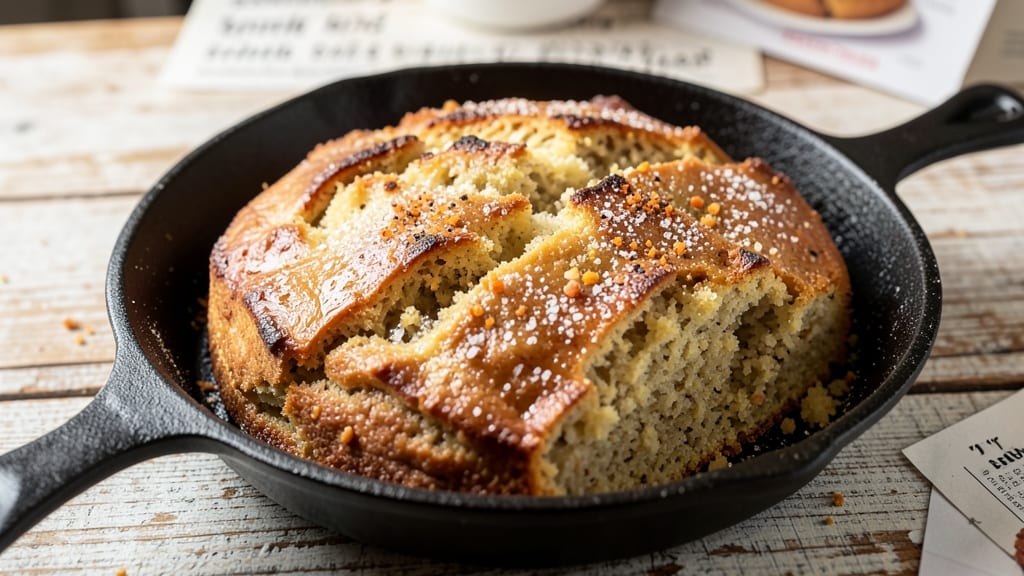
This African corn bread recipe brings bold flavors and cultural richness to your table with its signature golden crust and aromatic spices. The blend of cornmeal, warm nutmeg, and earthy thyme creates a texture that's slightly dense yet tender—perfect for soaking up stews or standing alone as a side.
I developed this version after years of perfecting the balance between sweet and savory, ensuring every bite delivers that authentic African touch.
The secret lies in the spices and technique: toasted cornmeal adds depth, while baking powder ensures a light yet sturdy crumb. Traditional African spices like thyme and nutmeg infuse warmth without overpowering, creating a crust that's crispy on the outside and moist within.
This recipe requires just 15 minutes of prep and 25 minutes in the oven, making it ideal for weeknight meals or special gatherings.
What makes this corn bread truly special is its versatility—serve it alongside grilled meats, hearty stews, or even as a breakfast staple with honey and butter. The golden crust gives way to a fragrant, slightly crumbly interior that holds up beautifully, even when sliced the next day.
Each batch brings the soul of African cuisine to your kitchen, one golden loaf at a time.
For those who love texture variations, try adding a pinch of curry powder for extra warmth or a splash of buttermilk for added tenderness. The key is precision in measuring and baking—this recipe delivers every time. Let's get baking!
Ingredients for african corn bread
Cornmeal, spices, and butter create this African-inspired bread with a golden crust and fragrant crumb.
| Ingredient | Amount | Notes |
|---|---|---|
| Medium-Grain Cornmeal 🌽 | 2 cups | Stone-ground for authentic texture |
| All-Purpose Flour 🌾 | 1 cup | For structural balance |
| Granulated Sugar 🍚 | ¼ cup | Light brown preferred |
| Baking Powder 🧂 | 2 tsp | Double-acting for lift |
| Salt 🧂 | 1 tsp | Fine sea salt preferred |
| Ground Nutmeg 🌿 | ½ tsp | Freshly grated preferred |
| Dried Thyme 🍃 | 1 tsp | African or Mediterranean blend |
| Ground Ginger 🌶️ | ½ tsp | For subtle warmth |
| Butter 🧈 | ½ cup | Unsalted, softened |
| Milk 🥛 | 1 cup | Whole milk preferred |
| Large Egg 🥚 | 1 whole | Room temperature |
| Vanilla Extract 🍯 | 1 tsp | Pure vanilla preferred |
The cornmeal is non-negotiable—Bob’s Red Mill stone-ground gives that authentic African texture, but any medium-grain will work. Toast it lightly in a dry pan for 2-3 minutes before mixing to deepen the nutty flavor. For the spices, Penzeys African blend is ideal, but regular dried thyme and nutmeg from the grocery store work fine. The butter should be softened but not melted—this ensures the right balance of moisture and structure. If you're in a pinch, vegetable shortening can substitute, though it lacks the rich flavor.
No nutmeg? Allspice at half the amount adds warmth without the same depth. Short on thyme? Dried oregano or savory works in a pinch, though the flavor profile shifts slightly. The vanilla extract can be swapped for 1/2 tsp vanilla sugar if you're avoiding extracts. For a gluten-free version, replace the all-purpose flour with 1 cup gluten-free 1:1 flour blend. The baking powder must be fresh—if it's over 6 months old, test it in a small batch of batter to ensure it still bubbles.
This bread keeps well for 3 days at room temperature wrapped in a clean kitchen towel, or 1 week in the fridge. For longer storage, freeze the loaf wrapped in foil for up to 3 months. To reheat, wrap in foil and warm in a 300°F oven for 10 minutes. The crust stays crispy when reheated properly—perfect for serving alongside stews or soups. Portion into slices and freeze for quick breakfasts or snacks.
Why You'll Love This Recipe
- No Mixer Needed: The dough comes together with just a fork—no stand mixer, no stress. I swear, the cornmeal and flour blend into a soft, crumbly texture that’s almost like magic, and honestly? My hands are always busy with other things, so this is my lifesaver.
- Sweet & Savory Balance: That touch of sugar in the cornmeal and flour combo gives it a subtle sweetness, but don’t worry—it’s not cloying. It’s the kind of bread that works just as well with a smear of butter as it does alongside stew or chili. (Yes, even on a Tuesday night.)
- Leftovers That Last: This bread stays fresh for days, and if you slice it thin, it toasts up like a dream. I’ll be real: I’ve reheated slices for breakfast, packed them in lunches, and even crumbled them into oatmeal—because why waste good bread?
- Pantry Staple Magic: You’re probably already stocked for this—cornmeal, flour, sugar, baking powder, salt. No exotic ingredients, no last-minute grocery runs. It’s the kind of recipe that turns a simple meal into something special without breaking the bank.
Step-by-step instructions for African corn bread
This method delivers a perfectly textured African-inspired corn bread with a crispy crust and moist interior.
Preheat and Prepare the Pan
Preheat your oven to 375°F. Generously butter a 9-inch cast-iron skillet or round baking dish, ensuring the butter coats the bottom and sides completely. This creates the signature crispy crust while preventing sticking. I like to use my fingers to spread the butter evenly—don't skip this step, as it's crucial for that authentic African corn bread texture.
While the oven preheats, measure out all your dry ingredients: the 2 cups medium-grain cornmeal, 1 cup all-purpose flour, 0.25 cup granulated sugar, 2 teaspoons baking powder, 1 teaspoon salt, 0.5 teaspoon ground nutmeg, 1 teaspoon dried thyme, and 0.5 teaspoon ground ginger. Whisk them together in a large bowl until fully combined and no flour lumps remain. The nutmeg and thyme add that distinctive African spice profile that sets this apart from traditional corn bread.
Mix Wet Ingredients and Combine
In a separate medium bowl, combine the 0.5 cup softened butter, 1 cup milk, 1 whole large egg, and 1 teaspoon vanilla extract. Whisk vigorously until the mixture is completely smooth and homogeneous. The butter should be softened but not melted—press your finger into it to test. If it leaves an indentation, it's ready.
Gradually pour the wet mixture into the dry ingredients while whisking continuously. The batter will be thick and slightly sticky, similar to pancake batter. Don't be tempted to add extra milk—this recipe relies on the proper ratio of cornmeal to flour for its characteristic texture. Mix just until combined, about 15-20 strokes, to avoid developing gluten that would make the bread dense.
Pour and Bake to Golden Perfection
Quickly pour the batter into your prepared skillet, spreading it evenly with a spatula. Tap the skillet gently on the counter to release any air bubbles that may have formed. Bake for 20-25 minutes until the top is deep golden brown and a toothpick inserted in the center comes out clean. The edges should be pulling away slightly from the pan, indicating proper browning.
Here's the key to success: I've found that African corn bread benefits from a two-stage baking approach. After 15 minutes, rotate the skillet 180 degrees for even browning. The high heat and buttered pan create that beautiful crust while keeping the interior moist. If your oven runs hot, check at the 20-minute mark—every oven behaves differently.
Rest and Serve Warm
Remove the corn bread from the oven and let it cool in the skillet for 5 minutes before attempting to serve. This resting period allows the internal structure to set slightly, making it easier to handle. The bread should be firm enough to slice cleanly but still warm and moist inside.
Run a sharp serrated knife around the edges to loosen it from the pan, then invert onto a serving plate. The bottom should be beautifully browned from the buttered crust. Serve warm with honey, jam, or as a side to stews and soups. Each slice should reveal a tender crumb with just the right amount of cornmeal texture—neither too dense nor too crumbly.
Pro Tips For Making African Corn Bread
- STEAM THE CORNMEAL: Mix the medium-grain cornmeal with just enough hot water (about 1 cup per 2 cups cornmeal) and let it sit for 10 minutes before adding other liquids. This softens the gritty texture and makes the bread tender—no more crunchy surprises in your bite. (Yes, even if you're impatient like me, resist the urge to skip this.)
- SIFT THE DRY MIX: Combine the all-purpose flour, baking powder, sugar, and salt, then sift them together through a fine-mesh sieve. This aerates the dry ingredients and prevents dense pockets in the bread. I learned this the hard way—my first batch had a brick-like center because I just dumped everything in.
- DON’T OVERMIX THE BATTER: Stir the wet and dry ingredients just until combined—lumpy is fine. Overmixing develops the gluten in the flour, which turns your corn bread into a tough, chewy mess instead of the soft, crumbly texture you want. Stop when there’s no more visible flour, and let the baking powder do its magic.
- USE A CAST-IRON SKILLET: Skip the nonstick pan and cook this in a preheated cast-iron skillet over medium heat. The even heat distribution gives you that perfect golden crust without burning the edges—something flimsy bakeware struggles with. (Your future self will thank you when you slice into a crispy, even-topped loaf.)
Essential equipment for perfect results
Cast-Iron Skillet
The 9-inch cast-iron skillet is non-negotiable for authentic African corn bread. I use my well-seasoned Lodge Pre-Seasoned Cast Iron Skillet because it retains heat perfectly and creates that signature crispy crust. The iron distributes heat evenly, preventing hot spots that can burn the edges while leaving the center undercooked.
If you don’t own cast iron, a heavy oven-safe ceramic or stainless steel skillet works too—just avoid nonstick, as it won’t brown properly. 🔥
Digital Thermometer
A kitchen thermometer is your best friend for perfect results. I rely on the Thermoworks Thermapen One to monitor both oven temperature (375°F) and internal bread temperature (190-200°F). Oven temperatures can fluctuate, and corn bread benefits from precise baking.
For budget-friendly options, the OXO Good Grips probe thermometer works well too. Insert it into the center—when it reads 190°F, your bread is done.
Mixing Bowls
Use two separate bowls: a large mixing bowl for dry ingredients and a medium bowl for wet ingredients. I prefer stainless steel bowls because they’re durable and won’t absorb odors like plastic. For the dry ingredients, a bowl with a non-slip base prevents sliding when whisking.
A whisk with silicone handles (like the OXO Good Grips) ensures smooth mixing without splatters. Avoid glass bowls for wet ingredients—they’re heavier and harder to clean post-mix.
Butter Knife or Offset Spatula
A butter knife or offset spatula is essential for spreading the batter evenly in the skillet. I use a stainless steel offset spatula because it’s flexible enough to reach corners without bending.
For buttered pans, a pastry brush with a long handle (like the Silpat Brush) lets you coat the pan thoroughly without using your fingers. This step is critical—uneven butter distribution leads to patchy browning. 🌟
Measuring Cups and Spoons
Precision matters with corn bread, so invest in stainless steel measuring cups and spoons with leveling edges. I use the OXO Good Grips set because they’re easy to read and durable.
For the 2 cups cornmeal and 1 cup flour, scoop and level carefully—packing the flour compresses it, altering the texture. A scale (like the Escali Primo) is ideal for accuracy, but traditional cups work if you’re gentle with leveling.
Serrated Knife
A sharp serrated knife (like the Dexter-Russell 12-inch) is a game-changer for slicing. Corn bread’s crust is delicate, and a dull knife crushes it. Run the knife around the edges of the skillet before inverting to loosen the bread cleanly.
For serving, slice into 1-inch thick wedges—this thickness keeps the interior moist while showcasing the golden crust. Store-bought bread knives often lack the grip needed for dense corn bread, so prioritize a heavy, sharp blade.
Nutrition facts
Frequently asked questions
What makes this African corn bread different from regular corn bread?
This recipe incorporates traditional African spices like nutmeg, thyme, and ginger for a warm, aromatic profile. The texture is slightly denser and crumbly due to the higher cornmeal content, while the golden crust comes from the buttered cast-iron pan—a technique inspired by West African baking methods.
Can I make this gluten-free?
Yes! Replace the 1 cup all-purpose flour with a 1:1 gluten-free flour blend (like Bob's Red Mill). For best results, add 1/2 teaspoon xanthan gum to mimic the structure. The cornmeal remains the same, ensuring the authentic texture. Just be sure to let the batter rest for 5 minutes before baking to improve rise.
Why did my corn bread turn out too dense?
Overmixing the batter develops gluten, making the bread dense. Mix just until combined (15-20 strokes) and ensure your baking powder is fresh. Also, check your oven temperature—corn bread needs precise 375°F heat. A thermometer helps avoid underbaking, which can also lead to density.
How can I store or reheat leftovers?
Wrap cooled slices in foil and store at room temperature for 3 days, or refrigerate for 1 week. For longer storage, freeze slices for up to 3 months. Reheat in a 300°F oven for 10 minutes wrapped in foil to restore crispiness. The crust stays perfect when reheated properly!
What are the best ways to serve this corn bread?
Pair it with honey or jam for breakfast, or serve alongside stews, grilled meats, or fried fish. The slightly sweet, spiced flavor complements savory dishes beautifully. For a modern twist, spread with peanut butter and banana slices—a popular African-inspired combo!